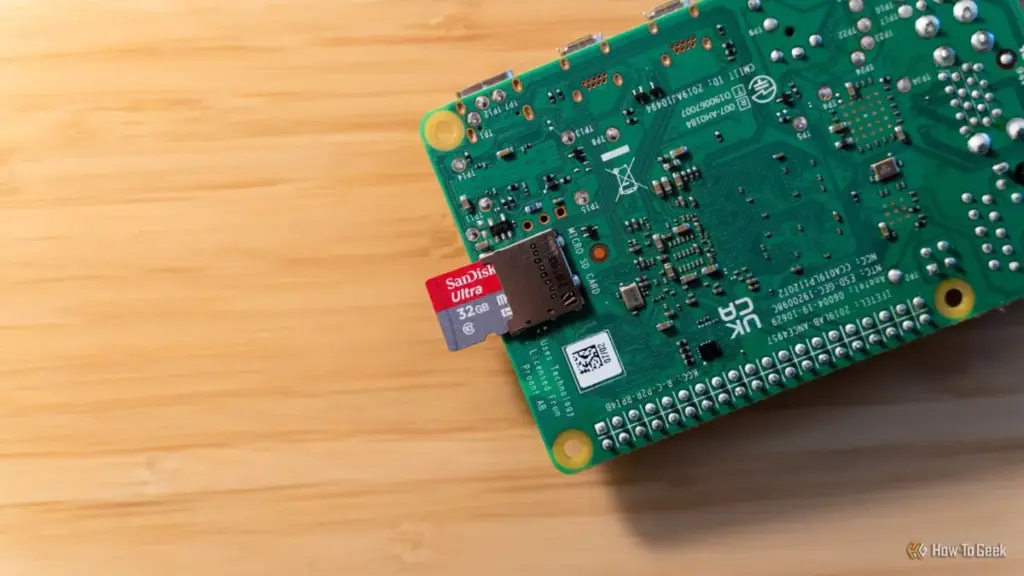
The technical requirements for such a setup are modest, requiring only a Raspberry Pi, reliable storage, and network access. This accessibility highlights a key shift in how small organizations can operate, allowing them to project the professional image of a much larger firm while maintaining the lean overhead of a grassroots operation.
Securing the "Second Brain": Building a Knowledge Base with Trilium Notes
The concept of a "Second Brain"—a digital repository for every thought, project, and piece of research a person accumulates—has gained significant traction in the productivity space. However, the most popular tools for this task, such as Notion or Evernote, are almost exclusively cloud-based. This reliance on the cloud introduces several vulnerabilities: the potential for service outages, the risk of data breaches, and the uncertainty of a provider’s long-term stability. If a cloud provider changes its terms of service or goes out of business, a user’s entire intellectual history could be at risk.
Trilium Notes offers a robust alternative for those who prefer to keep their data under their own roof. Designed as a hierarchical note-taking application, Trilium allows users to build a personal knowledge base that remains entirely offline if desired. For homelab enthusiasts, this is particularly valuable for housing technical documentation, troubleshooting logs, and network maps. Campanale points out that the primary advantage of Trilium is ownership; when the internet goes down, a locally hosted knowledge base remains fully accessible, ensuring that critical information is never out of reach.

The architecture of Trilium Notes supports advanced features that rival its commercial counterparts, including a complex note tree, internal linking for "wiki-style" navigation, and the ability to handle various attachments. For users who require access to their notes while away from home, the system can be securely exposed to the internet through a reverse proxy or tools like Cloudflare Tunnels. This hybrid approach offers the convenience of the cloud with the security of local hosting. By running Trilium on a Raspberry Pi, users can ensure their "Second Brain" is powered by a device that consumes less electricity than a standard LED lightbulb, making it an ideal candidate for an always-on information hub.
Combating Algorithm Fatigue: Reclaiming the News Cycle with Miniflux
In the current era of social media, the way individuals consume information is increasingly dictated by opaque algorithms. Platforms like X (formerly Twitter), Facebook, and even news aggregators often prioritize engagement over chronology, leading to a fragmented and often stressful user experience. This "algorithm fatigue" has led to a resurgence of interest in RSS (Really Simple Syndication), a technology that allows users to subscribe directly to content sources and receive updates in a clean, chronological list.
Miniflux stands out in the crowded field of feed readers due to its minimalist philosophy. It is a self-hosted, "opinionated" feed reader that strips away the noise of the modern web, providing a fast and distraction-free environment for reading. By running Miniflux on a Raspberry Pi, a user can create a centralized command center for all their information needs, from software release announcements to blog posts from niche industry experts.
 Tech Tutorials & How-To Guides
The Cost of Convenience: Analyzing the Value Proposition of Milwaukee’s M18 Cordless Lineup
In the modern landscape of construction and woodworking, the corded power tool...
 Tech Tutorials & How-To Guides
From Satire to Slapstick: A Curated Selection of Netflix Comedies to Cure the Workday Blues
In the modern professional landscape, the transition from a high-stress office environment...
 Tech Tutorials & How-To Guides
Low-Cost Innovation: How DIY ESP32 Projects are Transforming Smart Home Economics and Sustainability
The landscape of home automation has undergone a radical shift over the...