
One of the most powerful aspects of Miniflux is its ability to integrate with other tools like RSS-bridge, which can generate feeds for websites that do not natively support RSS, such as certain social media profiles. This allows a user to monitor specific accounts or keywords without ever having to log into a social media platform and be subjected to its curated feed. Campanale notes that this level of control is essential for maintaining "sanity" in a digital world designed to capture and hold attention through artificial means.
Because Miniflux is web-based, once it is deployed on a Raspberry Pi, it can be accessed from any device on the network. It supports bookmarking for later reading and advanced filtering to ensure that only the most relevant information reaches the user. This project epitomizes the "homelab" ethos: using simple, efficient technology to solve a complex modern problem, all while maintaining 100% control over the data and the experience.
The Raspberry Pi as the Modern Homelab Foundation
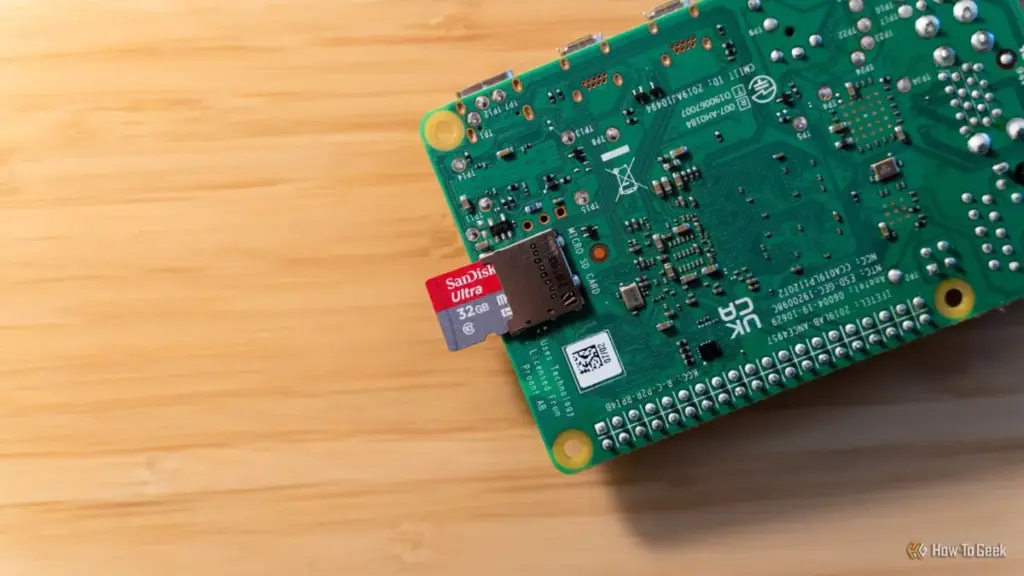
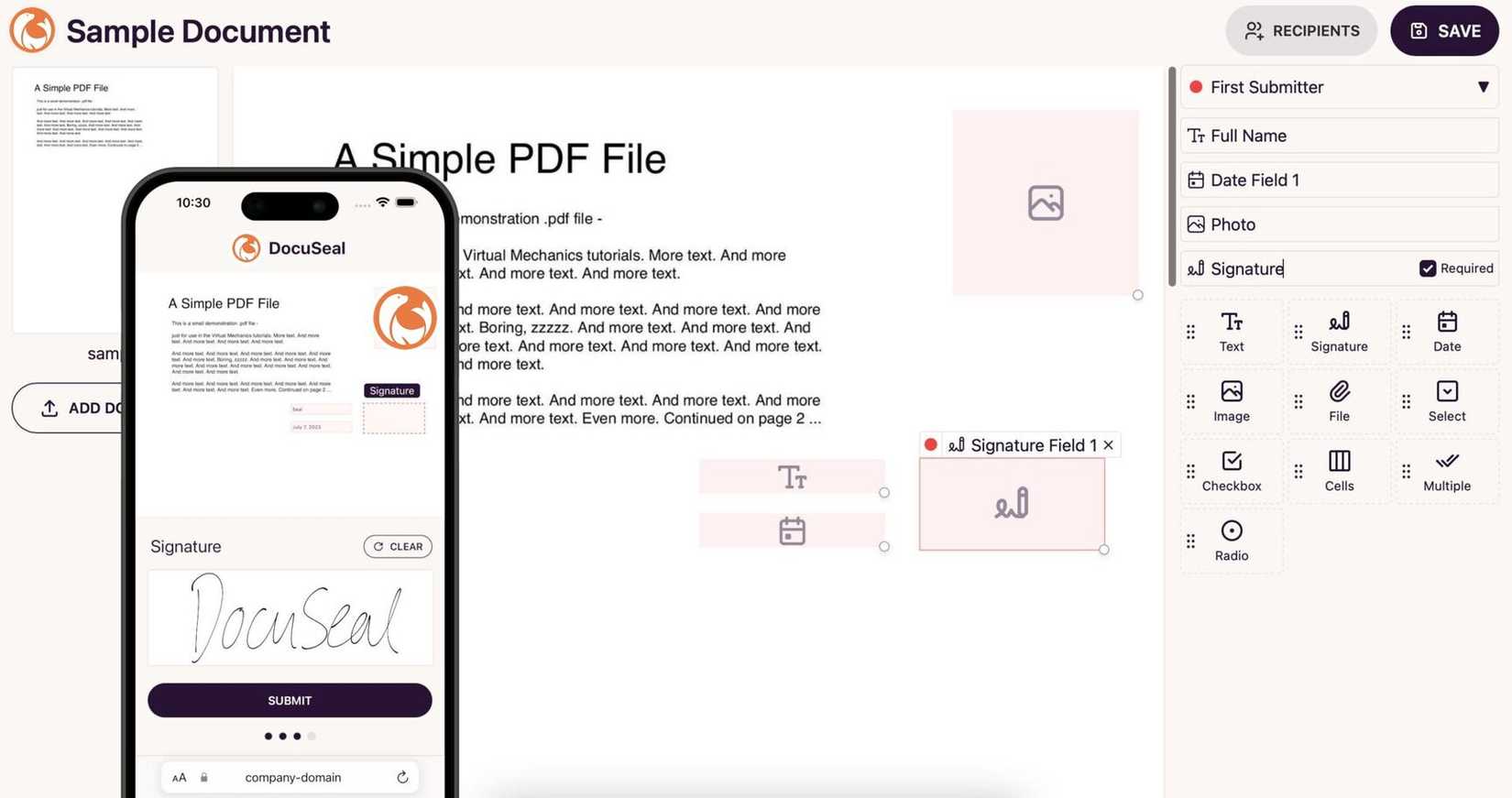
The transition of the Raspberry Pi from an educational curiosity to a foundational element of the homelab is a testament to the hardware’s evolution. With the release of more powerful iterations like the Raspberry Pi 4 and the Raspberry Pi 5, these devices now possess the RAM and processing power necessary to run multiple Docker containers simultaneously. This allows a single Pi to act as a document signer, a knowledge base, and a feed reader all at once, without a significant impact on performance.
As Campanale reflects on his years in the tech space—from the early days of mobile app development to his current work in high-end PC manufacturing and community service—the Raspberry Pi remains a standout tool due to its "ultra-low-power" profile. In an era of rising energy costs and environmental awareness, the ability to run a suite of professional services 24/7 for just a few dollars of electricity per year is a compelling proposition.
For those with a spare Raspberry Pi sitting in a drawer, the transition into self-hosting is more accessible than ever. The projects highlighted this weekend—DocuSeal, Trilium Notes, and Miniflux—serve as an entry point into a larger world of digital self-reliance. By taking the time to deploy these services, users do more than just save money on subscriptions; they take an active role in managing their digital lives, ensuring that their tools work for them, rather than for a distant corporation. As the "self-hosted" movement continues to grow, the Raspberry Pi stands ready as one of the most capable and efficient companions for the journey toward digital sovereignty.
 Tech Tutorials & How-To Guides
Netflix Expands October Streaming Lineup With High-Stakes Sports Dramas and Darkly Humorous Animation
As the autumn chill settles in and the evening air turns crisp,...
 Tech Tutorials & How-To Guides
Best Buy Slashes Price of LG 77-Inch B5 Series OLED TV by Fifty Percent in Early Holiday Sales Push
As the calendar turns and the final quarter of the year approaches,...
 Tech Tutorials & How-To Guides
The Unseen Ecosystem: Why Samsung’s Most Powerful One UI Features Remain Hidden to Most Users
In the hyper-competitive landscape of global smartphone manufacturing, Samsung Electronics has long...






