
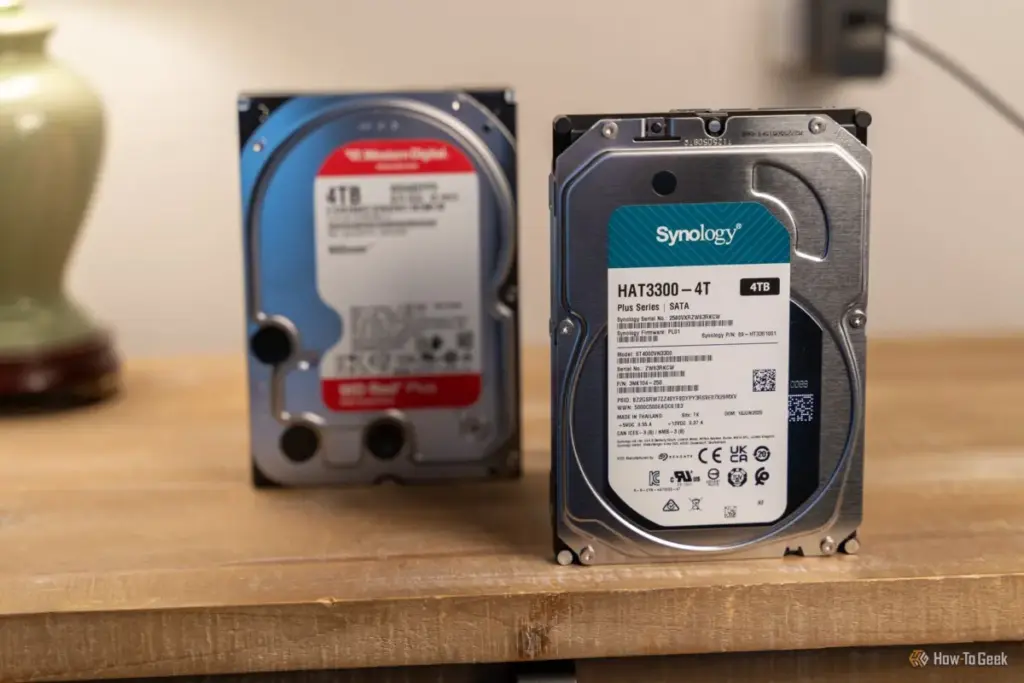
In an era increasingly dominated by the blistering speeds of NVMe solid-state drives (SSDs), the traditional hard disk drive (HDD) remains a resilient and indispensable fixture in the computing landscape. Despite the technological shift toward flash storage, the mechanical hard drive continues to hold a significant position in the market, particularly for users prioritizing high-capacity storage, cost-effectiveness, and long-term data archiving. From expansive Network Attached Storage (NAS) configurations to the massive data centers powering the cloud, the "spinning rust" of the HDD is far from obsolete. However, the very mechanical nature that makes these drives affordable also renders them vulnerable to a silent killer: vibration.
Recent insights into hardware maintenance have highlighted an unconventional yet effective method for safeguarding these sensitive devices. The strategic application of hook-and-loop fasteners—commonly referred to by the brand name Velcro—has emerged as a low-cost, high-impact solution for dampening the vibrations that can lead to premature drive failure. By understanding the intersection of mechanical physics and hardware mounting, enthusiasts and professionals alike are finding ways to squeeze more years out of their storage investments.
The Critical Relationship Between Mounting Precision and Drive Health
The longevity of a hard disk drive is inextricably linked to its physical environment. Unlike SSDs, which have no moving parts and are virtually immune to physical jolts unless they are severe enough to break a circuit board, HDDs are masterpieces of precision engineering. Inside the metal casing, platters spin at thousands of revolutions per minute while a read/write head hovers mere nanometers above the surface. In this high-stakes environment, even microscopic movements can have catastrophic consequences.
Proper mounting is the first line of defense. In traditional desktop PC environments, HDDs are typically housed in internal bays, secured by either metal screws or plastic rails. While these systems are designed to keep the drive stationary, they are rarely perfect. A drive that is not secured with the full complement of four screws can experience subtle oscillations. Over time, these movements can cause the mounting hardware to loosen further, creating a feedback loop of increasing vibration and noise.
In custom-built systems, the variety of mounting solutions adds another layer of complexity. Many older cases utilized "twist-and-lock" mechanisms or proprietary sleds designed for quick installation. While convenient, these plastic components are prone to wear and fatigue. As the plastic ages and loses its tension, the drive within can begin to rattle, leading to what many users describe as a "noisy" PC environment. The mechanical stress caused by this rattling doesn’t just produce an annoying hum; it forces the drive’s internal actuator arm to work harder to maintain its position over the data tracks, leading to increased wear on the read/write heads and potential data corruption.
For those utilizing NAS systems, the stakes are even higher. These devices often house multiple drives in close proximity, where the vibrations from one spinning platter can resonate through the chassis and affect neighboring drives. Ensuring that each drive is seated firmly in its tray is paramount, yet the plastic trays common in consumer-grade NAS units often lack the mass and rigidity to fully absorb mechanical energy.
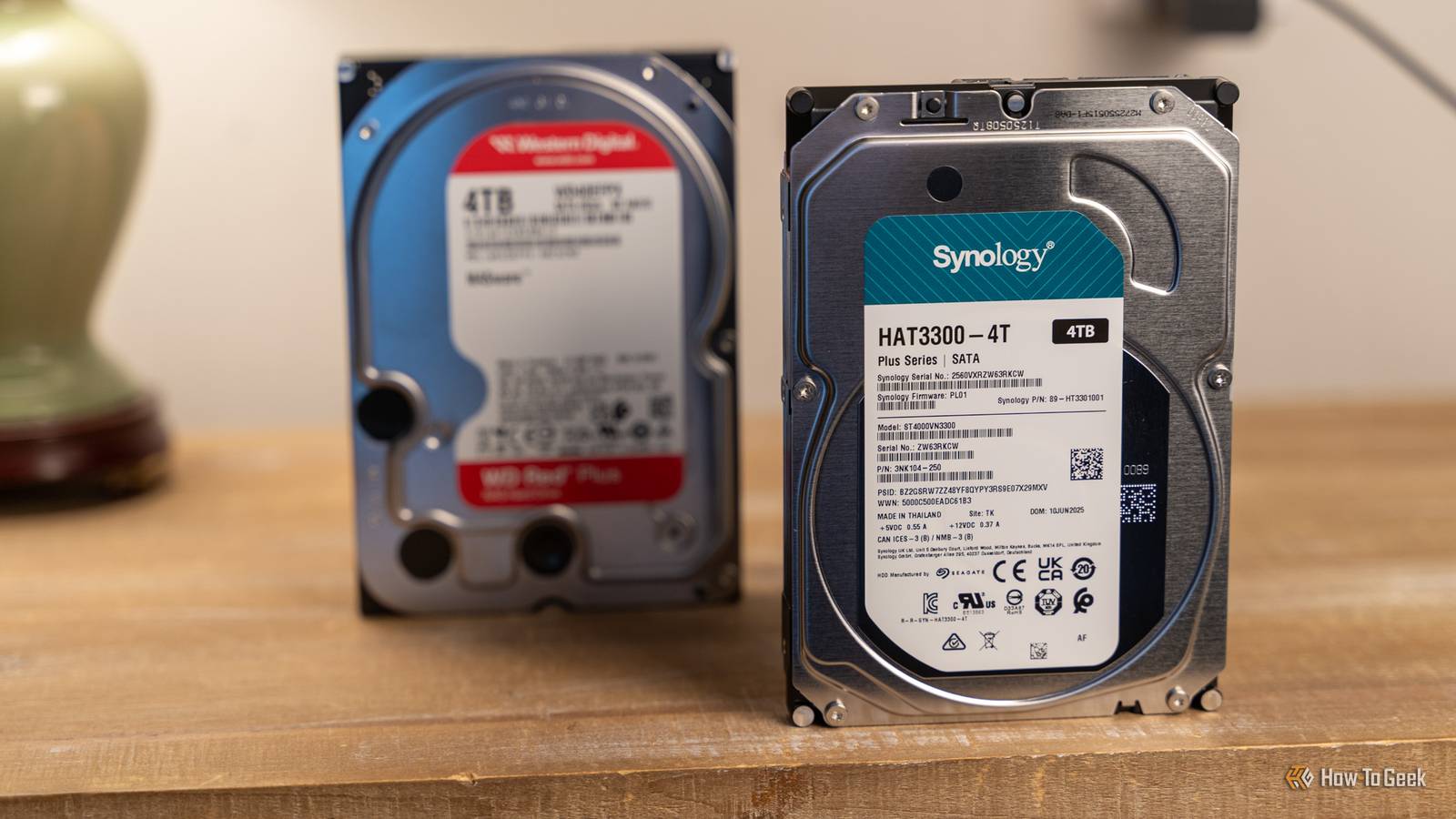
Leveraging Hook-and-Loop Fasteners to Dampen Kinetic Energy
The introduction of hook-and-loop fasteners into the drive bay offers a surprisingly sophisticated solution to the problem of resonance. While most people associate Velcro with cable management or clothing, its physical properties make it an excellent material for vibration isolation. The "loop" side of the fastener—the soft, fuzzy part—consists of thousands of tiny fibers that can act as a microscopic suspension system.
 Tech Tutorials & How-To Guides
Essential Roadside Resilience: Why Modern Drivers are Turning to Portable Battery-Powered Solutions
The modern driving experience is often defined by a sense of seamless...
 Tech Tutorials & How-To Guides
Essential Ryobi 18V ONE+ Tools Under $80 for New Homeowners and DIY Enthusiasts
The landscape of home improvement has shifted significantly over the last decade,...
 Tech Tutorials & How-To Guides
Exploring the Frontiers of the Unknown: Three Essential Science Fiction Films to Stream on Netflix This Weekend
As the autumn of 2026 unfolds, the digital landscape of the American...







