
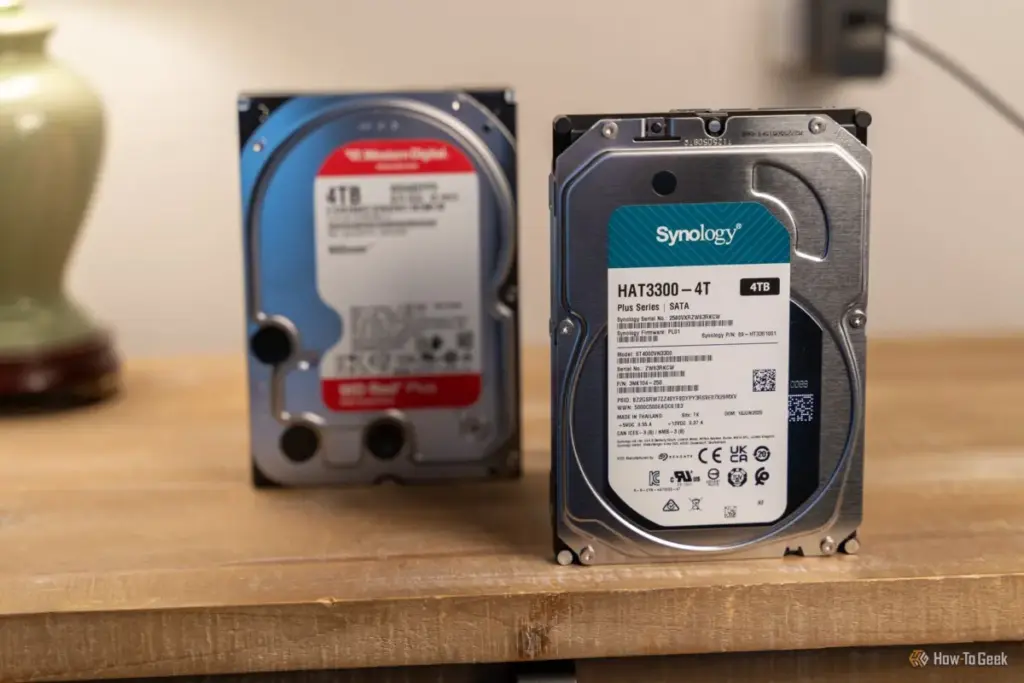
When applied correctly, these fasteners serve as low-grade padding that fills the minute gaps between the drive and its mounting bracket. This padding doesn’t just keep the drive from moving; it absorbs and dissipates the kinetic energy generated by the drive’s motor and the air turbulence created by the spinning platters.
To implement this effectively, the focus should remain on the "loop" or fuzzy side of the material. By cutting small strips and adhering them to the internal sides of the drive bays or the contact points of a NAS tray, a user creates a cushioned interface. When the HDD is then slid into place and secured with screws or clips, the loop material is compressed, creating a snug fit that eliminates the "play" that leads to rattling.
It is important to note that the generic term for this material is hook-and-loop. While the brand name Velcro is synonymous with the product, any high-quality fastener will suffice, provided it possesses adequate thickness. Fasteners that are too thin will fail to provide the necessary padding capacity to bridge the gap between the drive and the bay, rendering the effort moot. For those seeking maximum protection, some enthusiasts even combine hook-and-loop strips with thin rubber washers or padded foam, though the space constraints of a standard 3.5-inch bay often make hook-and-loop the most practical choice.
Navigating the Thermal and Chemical Risks of Adhesive Application
While the benefits of vibration dampening are clear, the application process requires a disciplined approach to avoid introducing new risks to the system. Hard drives are not only sensitive to movement but are also highly susceptible to heat and chemical contamination.
One of the primary dangers of using adhesive-backed fasteners is the potential for "adhesive creep" or melting. High-performance HDDs can generate significant heat during prolonged read/write sessions. If a user attaches the adhesive side of a fastener directly to the metal casing of the drive, the heat can cause the glue to soften or liquefy. This can lead to the drive shifting out of alignment or, worse, leaving a sticky residue that attracts dust and debris.
To mitigate this, the adhesive should always be applied to the drive bay or the mounting tray—the stationary parts of the computer or NAS—rather than the drive itself. This keeps the residue away from the sensitive hardware and ensures that the drive remains clean. Furthermore, users must be careful not to block the ventilation holes or the "breather" holes found on most HDD casings. These holes allow for the equalization of air pressure between the inside and outside of the drive; blocking them can lead to mechanical failure.
 Tech Tutorials & How-To Guides
Streaming This Weekend: Horror Prequels, Marvel Returns, and High-Stakes Political Dramas Lead the Lineup
As the calendar turns toward the midpoint of October, the entertainment landscape...
 Tech Tutorials & How-To Guides
From Satire to Slapstick: A Curated Selection of Netflix Comedies to Cure the Workday Blues
In the modern professional landscape, the transition from a high-stress office environment...
 Tech Tutorials & How-To Guides
Smart Solutions for Rising Utility Bills: How Specialized Tech Identifies and Reduces Residential Energy Waste
As global energy markets remain volatile and utility costs continue a steady...






