
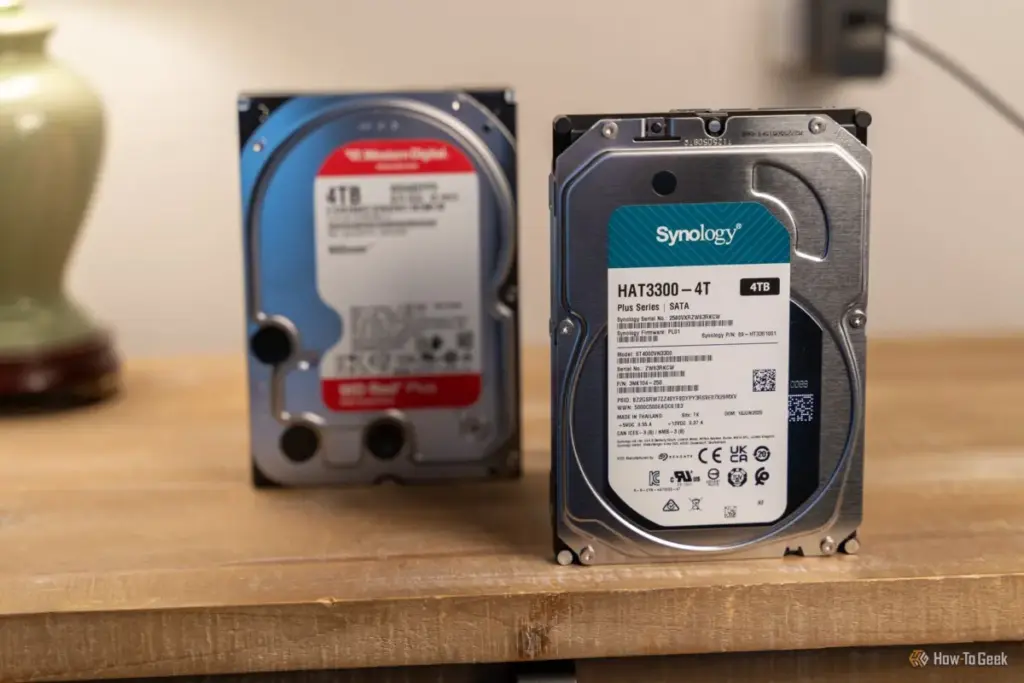

Another consideration is the accumulation of microscopic particles. The "hook" side of the fastener is rough and can shed tiny plastic fragments if it is frequently rubbed against a surface. By ensuring that only the soft "loop" side comes into contact with the drive, the risk of introducing particles into the PC’s airflow is minimized. These tiny fragments, if they were to seep into the internal components of a drive or settle on a motherboard, could cause long-term reliability issues.
The Limits of DIY Modification and Best Practices for Storage Arrays
It is vital to distinguish between using hook-and-loop fasteners for vibration dampening and using them for mounting. In the world of SSDs, it is common to see enthusiasts use Velcro to "stick" a lightweight drive to the side of a case or behind a motherboard tray. This is a safe practice for SSDs because they lack moving parts and weigh very little. However, this should never be attempted with an HDD.
The significant weight of a mechanical drive, combined with the torque generated by its spinning motor, means that adhesive alone is insufficient to hold it in place. An HDD that breaks free from an adhesive mount while spinning is likely to suffer catastrophic "head crash" and total data loss. The fastener should only ever be used as a supplement to traditional mechanical fasteners like screws.
Furthermore, the practice of "stacking" drives should be avoided at all costs. Some users might be tempted to use hook-and-loop tape to stack one drive on top of another to save space. This is a recipe for hardware failure. Stacking drives concentrates heat and allows the vibrations of two different motors to interfere with one another, creating complex harmonic resonances that are far more damaging than the vibration of a single drive. Even stacking a lightweight SSD on top of an HDD is discouraged, as the heat from the HDD can degrade the SSD’s performance and the adhesive of the fastener.
A Practical Investment in Hardware Sustainability
Ultimately, the goal of using hook-and-loop fasteners in a storage setup is to achieve a quieter, more stable computing environment. While this method does not "guarantee" that a drive will last a decade, it addresses one of the primary environmental factors that contribute to mechanical wear. By absorbing the micro-vibrations that loosen screws and cause read/write retries, users can potentially extend the operational life of their drives while enjoying the secondary benefit of a much quieter workspace.
As data requirements continue to grow, the role of the HDD as a high-capacity "cold storage" or NAS solution remains secure. For the cost of a few inches of tape and a bit of careful application, users can provide an extra layer of protection for their most valuable asset: their data. In the delicate balance of mechanical engineering, sometimes the simplest solutions—like a bit of fuzzy fabric—are the most effective at keeping the wheels of technology spinning smoothly.
 Tech Tutorials & How-To Guides
Essential Ryobi 18V ONE+ Tools Under $80 for New Homeowners and DIY Enthusiasts
The landscape of home improvement has shifted significantly over the last decade,...
 Tech Tutorials & How-To Guides
The Ghost in the Machine: Investigating the Root Causes of Unexpected Windows Wake Events
For many Windows users, the experience is unnervingly familiar: a desktop or...
 Tech Tutorials & How-To Guides
Open-Source Innovation: Transforming Modern Living Through Versatile ESP32-Based Smart Home Integrations
The landscape of the modern smart home is often dominated by a...







