
Furthermore, the process of using hot water often involves significant waste. Most people are familiar with the "wait time" at a kitchen sink, where several gallons of clean, cold water are sent down the drain while waiting for the hot water to travel from the central heater through the pipes. This wastes both water and the energy used to heat the water that eventually cools down in the pipes after the tap is turned off.
To combat this, many are turning to instant hot water dispensers. These devices, such as the Waterdrop M6CG, are countertop units that plug into standard outlets. Unlike a traditional electric kettle that boils a set amount of water over several minutes, these dispensers use high-powered heating elements to warm water instantly as it is dispensed. By only heating the exact amount of water needed for a single cup of tea or a bowl of oatmeal, they eliminate the energy waste associated with overfilling a kettle.
For a more integrated solution, under-sink systems like the Waterdrop K6 provide near-boiling water directly from a dedicated faucet. While these units do maintain a small internal reservoir, the primary benefit is the drastic reduction in water waste. By providing instant heat at the point of use, they eliminate the need to run the main kitchen tap for extended periods. This localized approach reduces the overall demand on the home’s central water heater, allowing it to remain idle more often and extending its operational lifespan.
Portable Power Stations and the Rise of "Free" Solar Energy
The concept of solar energy has long been associated with massive, permanent roof installations. While these are highly effective, the high entry cost and structural requirements make them inaccessible to many. However, the maturation of portable power station technology and foldable solar panels has created a middle ground that allows homeowners to harvest and store their own electricity on a smaller, more manageable scale.
A portable power station is essentially a high-capacity battery equipped with various outlets, including standard AC wall plugs, USB ports, and even high-speed charging for laptops. While these units can be charged from a wall outlet, their true value in an energy-saving context comes from their ability to interface with portable solar panels. This creates a closed-loop system where energy is harvested for free from the sun and stored for later use.
For residents on "time-of-use" (TOU) utility plans, where electricity costs significantly more during peak evening hours, these batteries offer a strategic advantage. A unit like the Anker SOLIX C1000 Gen 2 can be charged via solar panels during the day or via a wall outlet during low-cost "off-peak" hours. That stored energy can then be used to power home offices, televisions, or kitchen appliances during expensive peak hours, effectively "shaving" the most expensive parts of the utility bill.
Beyond the financial savings, these systems provide a level of energy independence. In the event of a power outage, they serve as a clean, silent alternative to gas-powered generators. In daily life, they can be used to offload the charging of the dozens of portable electronics found in the modern home—phones, tablets, gaming handhelds, and laptops—ensuring that these frequent power draws never actually touch the municipal grid.
 Tech Tutorials & How-To Guides
Beyond the Brand: Why Even Premium Power Drills Fail Due to Common Operational Habits
In the modern landscape of home improvement and professional construction, the cordless...
 Tech Tutorials & How-To Guides
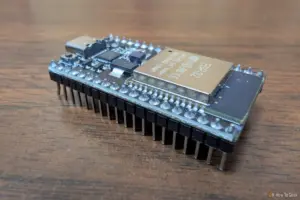
Open-Source Innovation: Transforming Modern Living Through Versatile ESP32-Based Smart Home Integrations
The landscape of the modern smart home is often dominated by a...
 Tech Tutorials & How-To Guides
The Ghost in the Machine: Investigating the Root Causes of Unexpected Windows Wake Events
For many Windows users, the experience is unnervingly familiar: a desktop or...







