
As global energy markets remain volatile and utility costs continue a steady upward trajectory, homeowners are increasingly looking beyond basic habits like turning off lights to find more substantial ways to reduce their monthly expenses. While the traditional advice of "lowering the thermostat" remains valid, a new generation of specialized technology is providing consumers with the data and tools necessary to achieve more precise and effective energy management. From identifying invisible structural flaws to optimizing the way water and air move through a home, these innovations are shifting the focus from simple conservation to high-tech efficiency.
The challenge for many households is that energy waste is often invisible. A home may feel drafty, or a water bill may seem high, but pinpointing the exact source of the problem requires more than just intuition. By leveraging tools once reserved for industrial auditors—such as thermal imaging and localized power storage—homeowners can now take a more proactive, data-driven approach to their domestic utility consumption.
Thermal Imaging Cameras: Visualizing the Invisible
One of the most significant hurdles in home energy efficiency is the "envelope" of the building. Heating and cooling are historically the most energy-intensive activities within a residence. During the winter, the goal is to keep expensive heat trapped inside, while the summer months require the opposite. However, even well-built homes often suffer from air leaks that force HVAC systems to work significantly harder to maintain a consistent temperature.
While many homeowners attempt to find these leaks by hand—feeling for a breeze near window frames or door sills—this method is notoriously unreliable. It fails to account for "thermal bridging," where heat is lost through solid materials like wall studs or poorly insulated outlets. This is where the modern thermal imaging camera has become an essential tool for the energy-conscious resident.
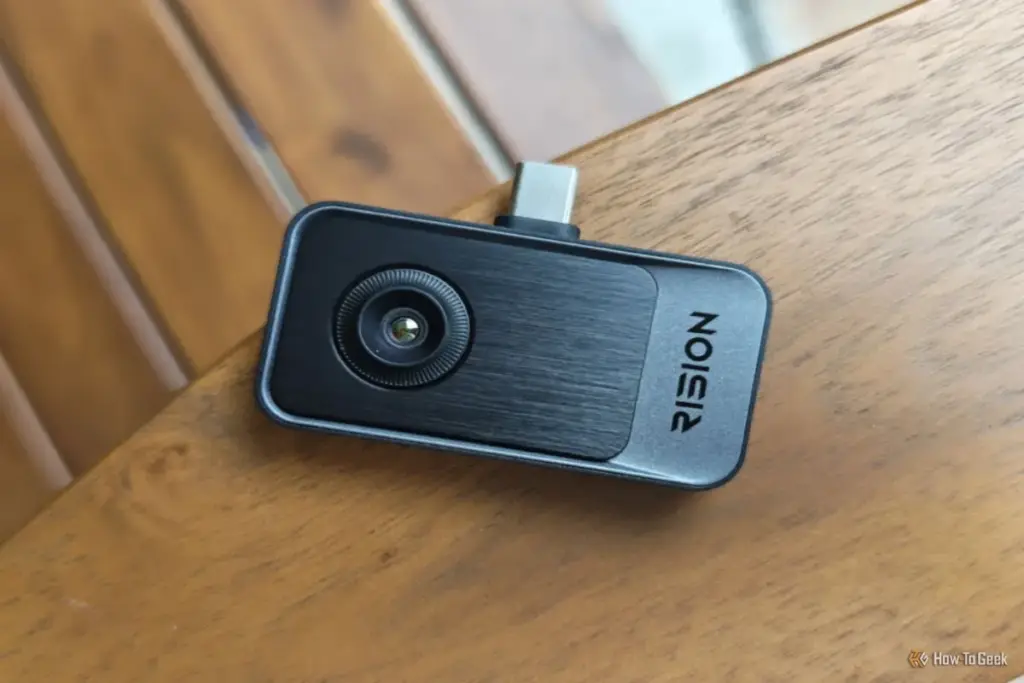
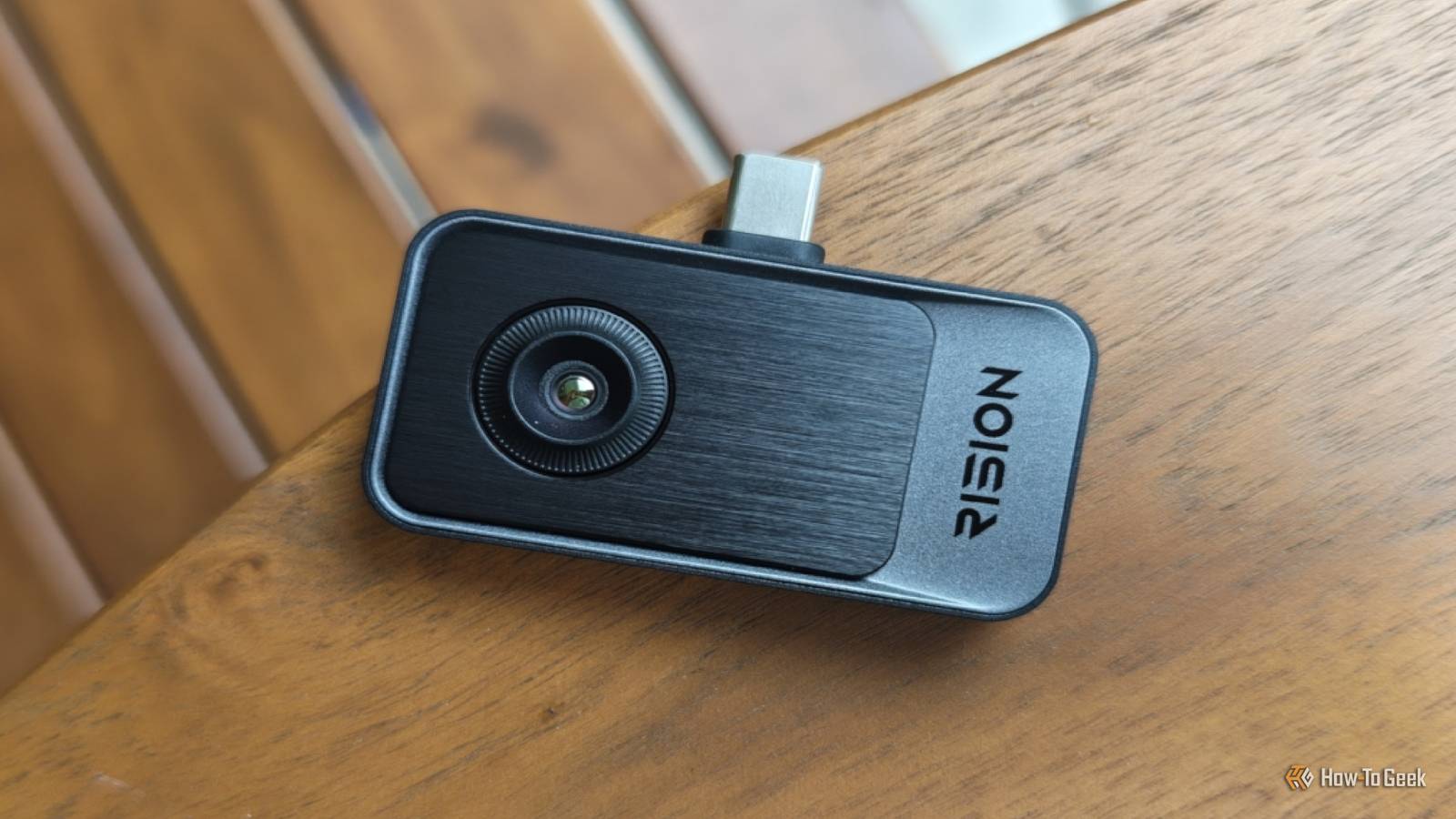
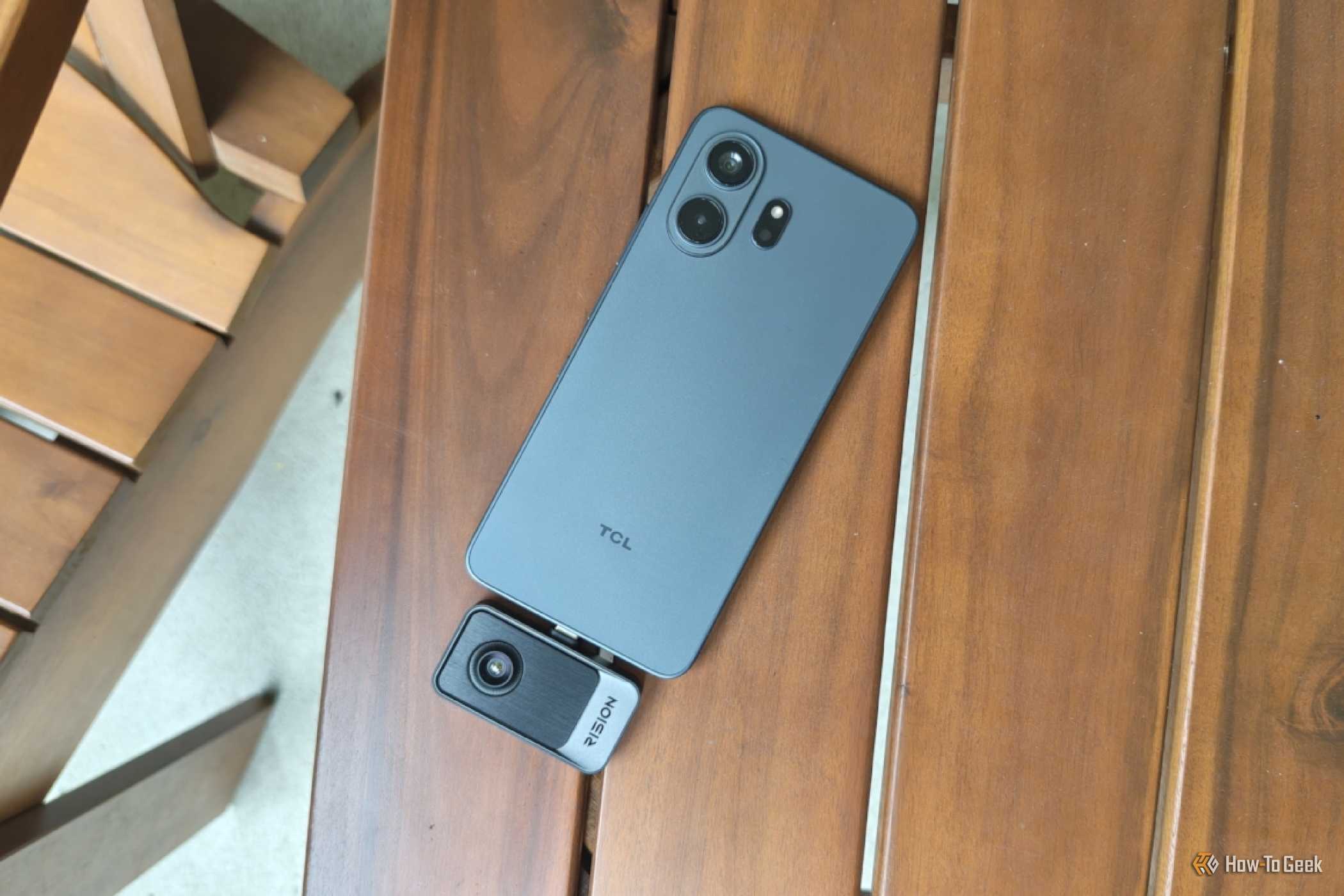
Previously, thermal cameras were bulky, standalone devices costing thousands of dollars. Today, the technology has been miniaturized into peripherals that plug directly into a smartphone. Devices like the Rision Magic Pro demonstrate this shift, requiring little more than a mobile app and a few permissions to turn a standard phone into a high-resolution heat mapping tool.

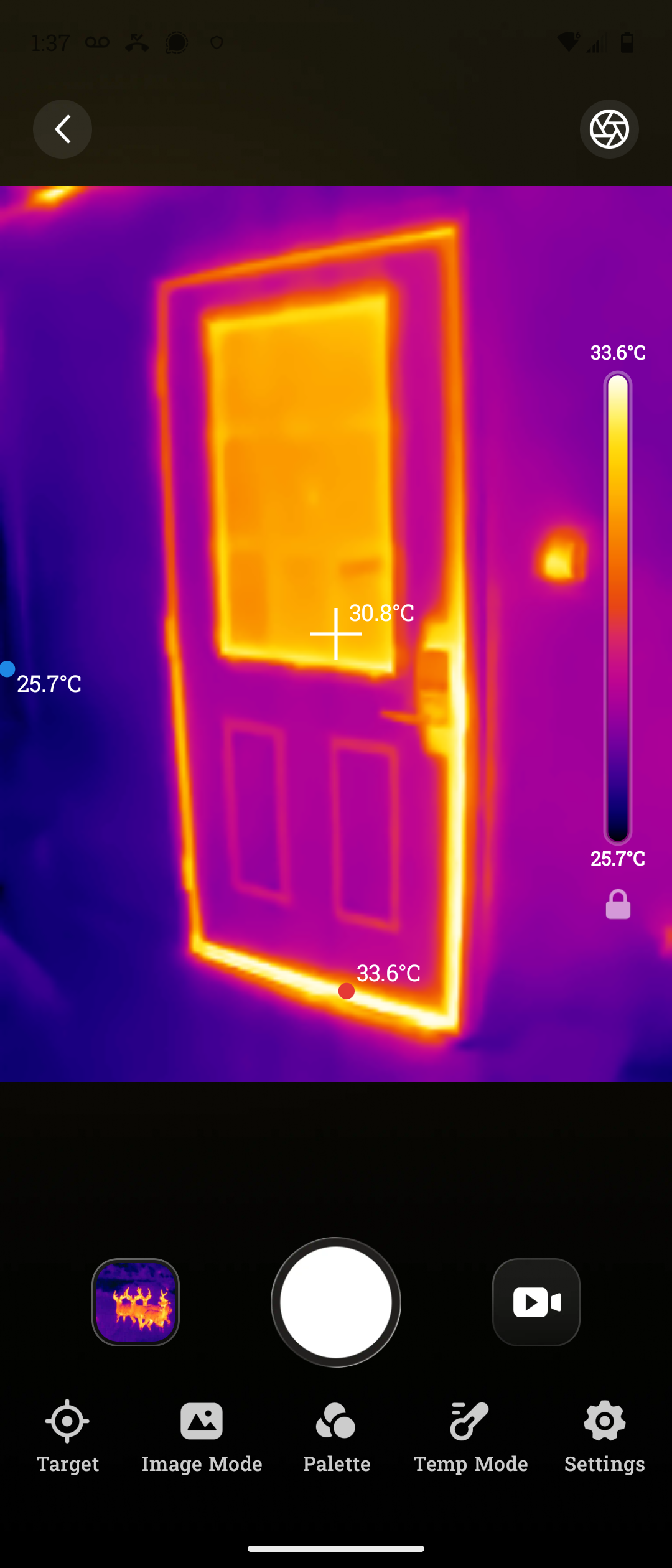
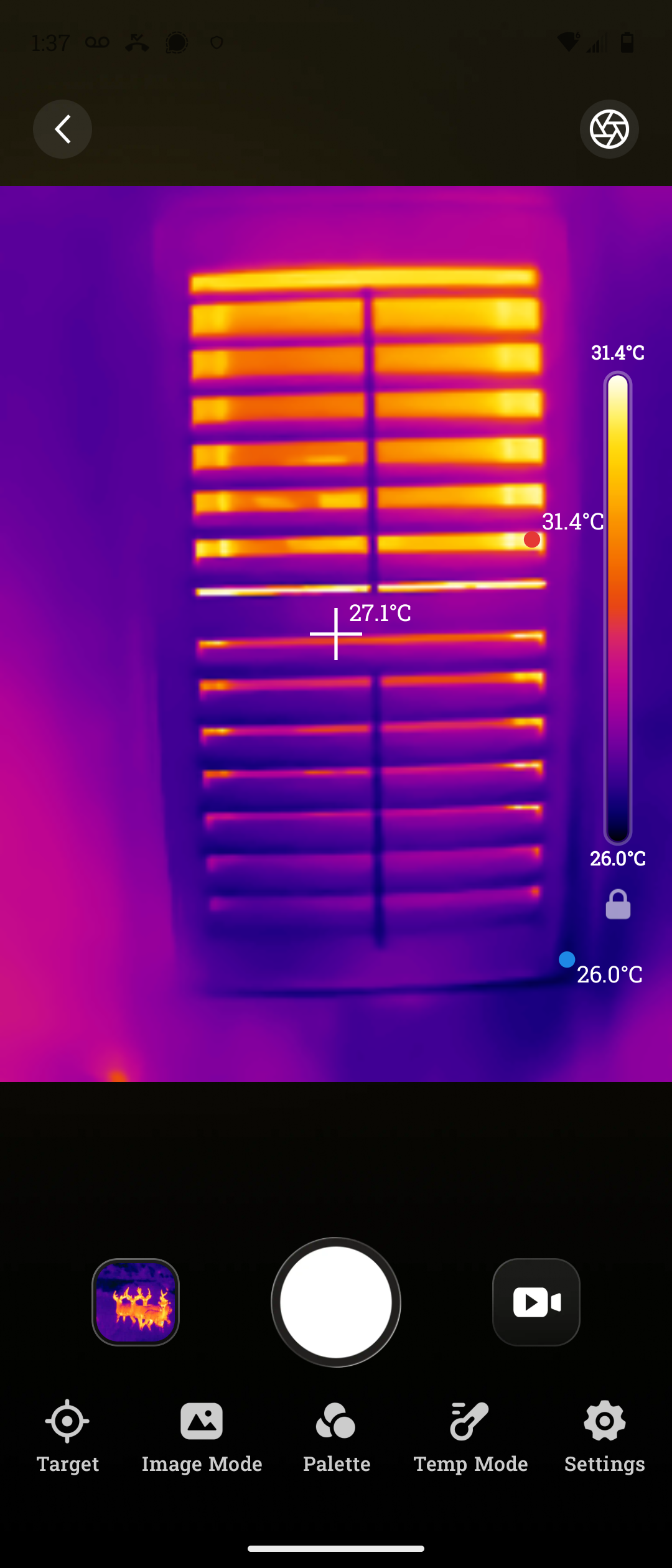
By viewing their home through a thermal lens, users can see exactly where cold air is infiltrating or where heat is escaping. The visual feedback is often surprising, revealing gaps in attic insulation, unsealed electrical boxes, or failing seals in double-pane windows that would otherwise go unnoticed. Identifying these specific failure points allows for targeted repairs—such as applying weatherstripping or spray foam—that offer a much higher return on investment than a generalized approach to home improvement.
Rethinking Water Heating with Instant Dispensers
While HVAC systems are the primary energy consumers, water heating typically ranks as the second-largest expense in the average home. The traditional method of heating water is inherently inefficient; standard water heaters maintain a large tank of water at a high temperature 24 hours a day, regardless of whether anyone is using it. This results in "standby heat loss," where energy is constantly expended just to keep the water ready.
Furthermore, the process of using hot water often involves significant waste. Most people are familiar with the "wait time" at a kitchen sink, where several gallons of clean, cold water are sent down the drain while waiting for the hot water to travel from the central heater through the pipes. This wastes both water and the energy used to heat the water that eventually cools down in the pipes after the tap is turned off.
To combat this, many are turning to instant hot water dispensers. These devices, such as the Waterdrop M6CG, are countertop units that plug into standard outlets. Unlike a traditional electric kettle that boils a set amount of water over several minutes, these dispensers use high-powered heating elements to warm water instantly as it is dispensed. By only heating the exact amount of water needed for a single cup of tea or a bowl of oatmeal, they eliminate the energy waste associated with overfilling a kettle.
For a more integrated solution, under-sink systems like the Waterdrop K6 provide near-boiling water directly from a dedicated faucet. While these units do maintain a small internal reservoir, the primary benefit is the drastic reduction in water waste. By providing instant heat at the point of use, they eliminate the need to run the main kitchen tap for extended periods. This localized approach reduces the overall demand on the home’s central water heater, allowing it to remain idle more often and extending its operational lifespan.
Portable Power Stations and the Rise of "Free" Solar Energy
The concept of solar energy has long been associated with massive, permanent roof installations. While these are highly effective, the high entry cost and structural requirements make them inaccessible to many. However, the maturation of portable power station technology and foldable solar panels has created a middle ground that allows homeowners to harvest and store their own electricity on a smaller, more manageable scale.
A portable power station is essentially a high-capacity battery equipped with various outlets, including standard AC wall plugs, USB ports, and even high-speed charging for laptops. While these units can be charged from a wall outlet, their true value in an energy-saving context comes from their ability to interface with portable solar panels. This creates a closed-loop system where energy is harvested for free from the sun and stored for later use.
For residents on "time-of-use" (TOU) utility plans, where electricity costs significantly more during peak evening hours, these batteries offer a strategic advantage. A unit like the Anker SOLIX C1000 Gen 2 can be charged via solar panels during the day or via a wall outlet during low-cost "off-peak" hours. That stored energy can then be used to power home offices, televisions, or kitchen appliances during expensive peak hours, effectively "shaving" the most expensive parts of the utility bill.
Beyond the financial savings, these systems provide a level of energy independence. In the event of a power outage, they serve as a clean, silent alternative to gas-powered generators. In daily life, they can be used to offload the charging of the dozens of portable electronics found in the modern home—phones, tablets, gaming handhelds, and laptops—ensuring that these frequent power draws never actually touch the municipal grid.

High-Efficiency Air Circulation and Battery-Powered Fans
The final piece of the modern energy-saving puzzle involves the movement of air. Most homeowners rely heavily on central air conditioning to maintain comfort, but the cost of lowering the temperature of an entire house by even one degree is substantial. Often, the goal of "feeling cool" can be achieved more efficiently through air movement rather than refrigeration.
Ceiling fans are a staple of energy-efficient design, as they create a "wind chill effect" that allows residents to feel comfortable even when the thermostat is set several degrees higher. However, ceiling fans are stationary and cannot always address the specific needs of a room’s occupants. This has led to the development of high-efficiency, battery-powered circulator fans.
The SwitchBot Floor Circulator Fan represents a new category of appliance that prioritizes versatility and efficiency. Unlike traditional fans that must be tethered to a wall, battery-powered models can be placed exactly where they are needed—whether that is directly next to a home office desk or in a corner to help push conditioned air from one room into another.
By using a battery-powered fan, users can reduce their reliance on the home’s electrical grid during peak times. Furthermore, because these fans are designed with highly efficient DC motors, they consume a fraction of the energy used by older AC-powered fans. When paired with a portable power station charged by solar panels, the cost of running such a fan drops to zero. This localized cooling strategy allows the main HVAC system to run less frequently, resulting in significant cumulative savings over the course of a hot summer.
The Long-Term Economics of Efficiency
Adopting this suite of technology requires a shift in perspective regarding household expenses. Critics often point out that the upfront cost of a thermal camera, a portable power station, or a high-end water dispenser can total hundreds or even thousands of dollars—an amount that may take several years to recoup through lower utility bills alone.
However, the value of these devices extends beyond a simple monthly balance sheet. They represent an investment in the structural integrity and operational intelligence of the home. A thermal camera doesn’t just save a few dollars on heating; it prevents the long-term damage that can be caused by moisture infiltration through undetected leaks. A portable power station isn’t just a battery; it is an insurance policy against grid instability.
Ultimately, the goal of integrating these technologies is to transition the homeowner from a passive consumer of energy to an active manager of resources. While a single device may not revolutionize a household’s finances overnight, the combined effect of identifying waste, optimizing water usage, and harvesting free energy creates a more resilient and cost-effective living environment. In an era of rising costs, the most effective way to save money is to gain a deeper understanding of how it is being spent.
 Tech Tutorials & How-To Guides
From Satire to Slapstick: A Curated Selection of Netflix Comedies to Cure the Workday Blues
In the modern professional landscape, the transition from a high-stress office environment...
 Tech Tutorials & How-To Guides
Essential Roadside Resilience: Why Modern Drivers are Turning to Portable Battery-Powered Solutions
The modern driving experience is often defined by a sense of seamless...
 Tech Tutorials & How-To Guides
Google Transitions Beyond Chromebooks: A Deep Look at the New Googlebook OS and Its Enhanced Local File Management
The landscape of portable computing has undergone a seismic shift with the...







