

High-Efficiency Air Circulation and Battery-Powered Fans
The final piece of the modern energy-saving puzzle involves the movement of air. Most homeowners rely heavily on central air conditioning to maintain comfort, but the cost of lowering the temperature of an entire house by even one degree is substantial. Often, the goal of "feeling cool" can be achieved more efficiently through air movement rather than refrigeration.
Ceiling fans are a staple of energy-efficient design, as they create a "wind chill effect" that allows residents to feel comfortable even when the thermostat is set several degrees higher. However, ceiling fans are stationary and cannot always address the specific needs of a room’s occupants. This has led to the development of high-efficiency, battery-powered circulator fans.
The SwitchBot Floor Circulator Fan represents a new category of appliance that prioritizes versatility and efficiency. Unlike traditional fans that must be tethered to a wall, battery-powered models can be placed exactly where they are needed—whether that is directly next to a home office desk or in a corner to help push conditioned air from one room into another.
By using a battery-powered fan, users can reduce their reliance on the home’s electrical grid during peak times. Furthermore, because these fans are designed with highly efficient DC motors, they consume a fraction of the energy used by older AC-powered fans. When paired with a portable power station charged by solar panels, the cost of running such a fan drops to zero. This localized cooling strategy allows the main HVAC system to run less frequently, resulting in significant cumulative savings over the course of a hot summer.
The Long-Term Economics of Efficiency
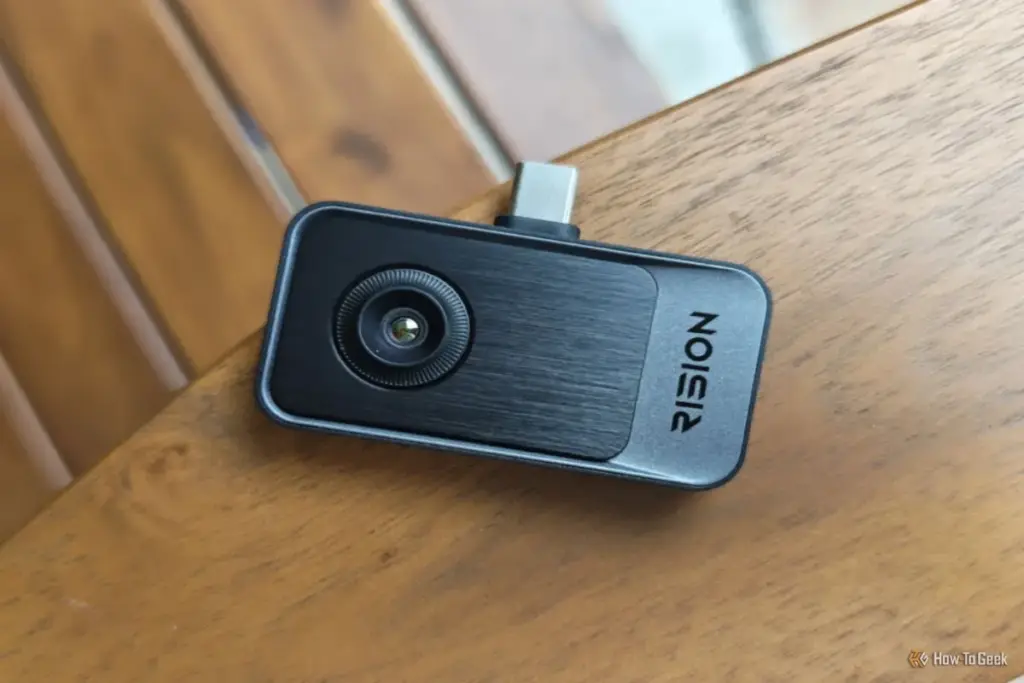
Adopting this suite of technology requires a shift in perspective regarding household expenses. Critics often point out that the upfront cost of a thermal camera, a portable power station, or a high-end water dispenser can total hundreds or even thousands of dollars—an amount that may take several years to recoup through lower utility bills alone.
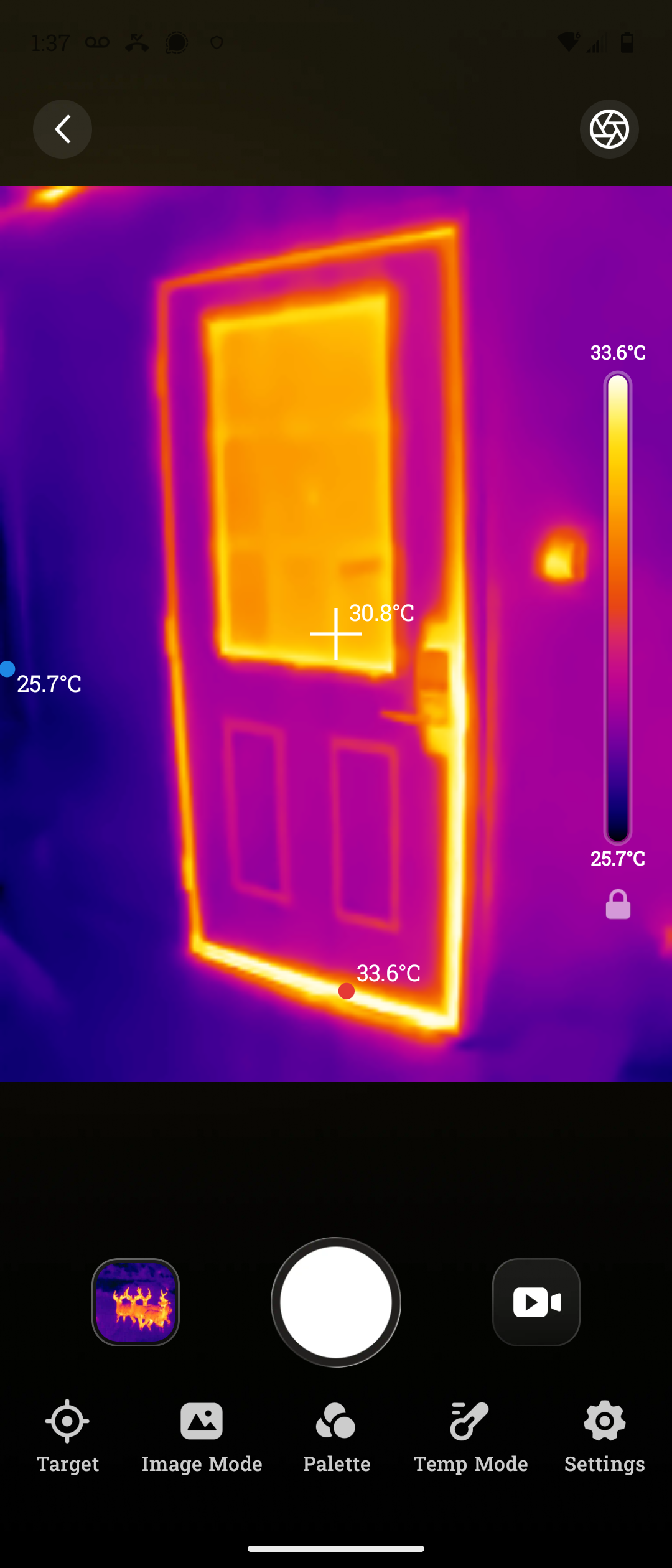
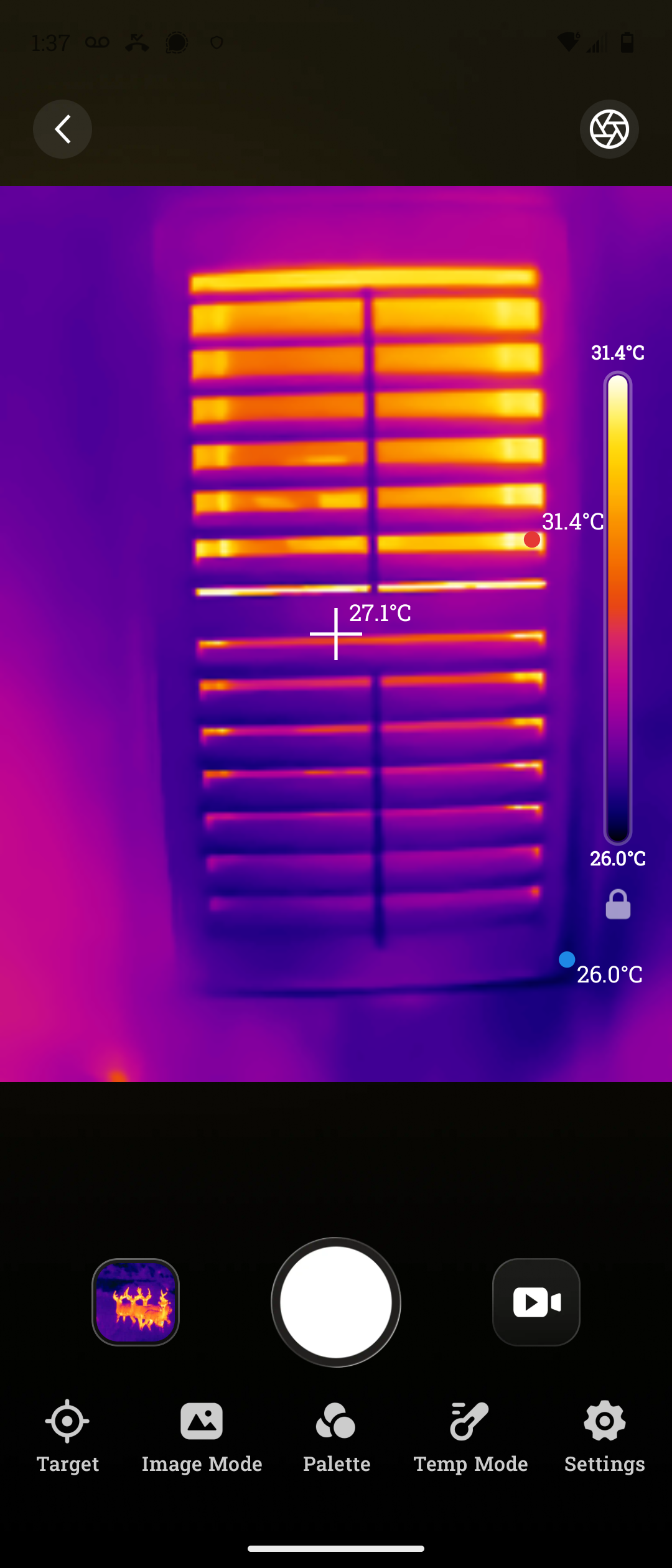
However, the value of these devices extends beyond a simple monthly balance sheet. They represent an investment in the structural integrity and operational intelligence of the home. A thermal camera doesn’t just save a few dollars on heating; it prevents the long-term damage that can be caused by moisture infiltration through undetected leaks. A portable power station isn’t just a battery; it is an insurance policy against grid instability.
Ultimately, the goal of integrating these technologies is to transition the homeowner from a passive consumer of energy to an active manager of resources. While a single device may not revolutionize a household’s finances overnight, the combined effect of identifying waste, optimizing water usage, and harvesting free energy creates a more resilient and cost-effective living environment. In an era of rising costs, the most effective way to save money is to gain a deeper understanding of how it is being spent.
 Tech Tutorials & How-To Guides
Microsoft Security Reports Highlight Growing Need for Advanced Windows 11 Protection Measures
The landscape of digital security is undergoing a fundamental shift as cybercriminals...
 Tech Tutorials & How-To Guides
Balancing the Spooky Season: Paramount+ Highlights Comedic Classics and Dystopian Thrills This October
As the calendar turns deep into October, the cultural landscape shifts toward...
 Tech Tutorials & How-To Guides
Paramount+ Thriller Spotlight: From Gritty Action Franchises to Luc Besson’s Reimagined Dracula
As the calendar turns deeper into October, the shift in atmosphere is...







