
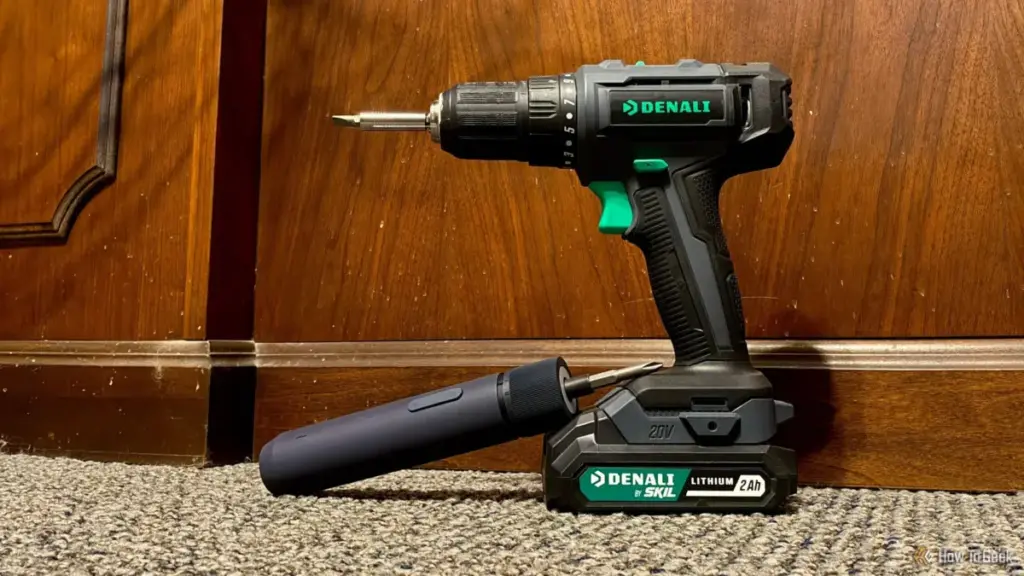
Pangaro recounts a specific instance involving maintenance in the narrow space above a refrigerator. Because of the appliance’s size, the clearance between the top of the fridge and the cabinetry was too restricted for a standard 20V drill to fit. In such scenarios, the traditional fallback is a manual screwdriver, which requires significant physical effort and can be difficult to turn in cramped quarters.
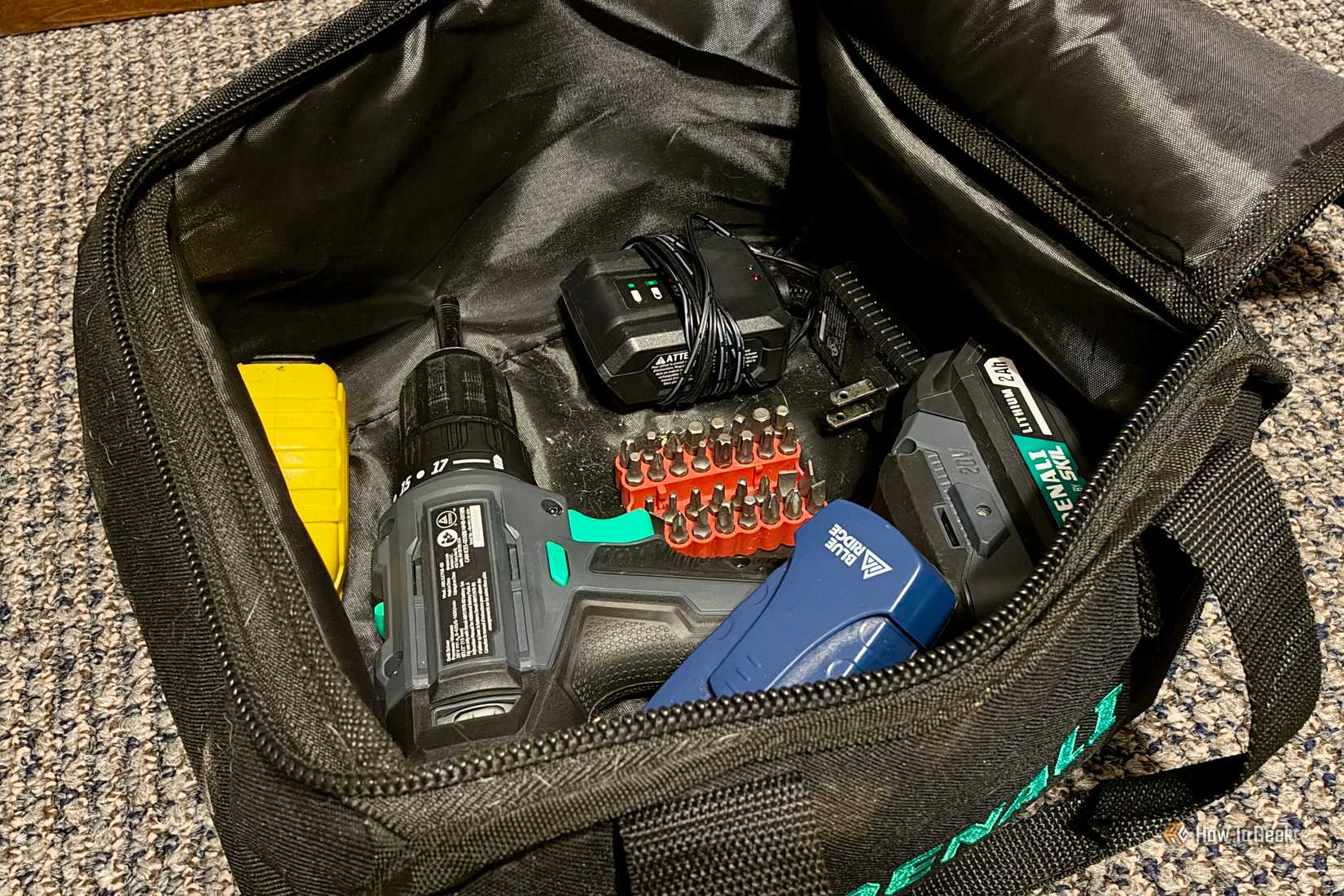
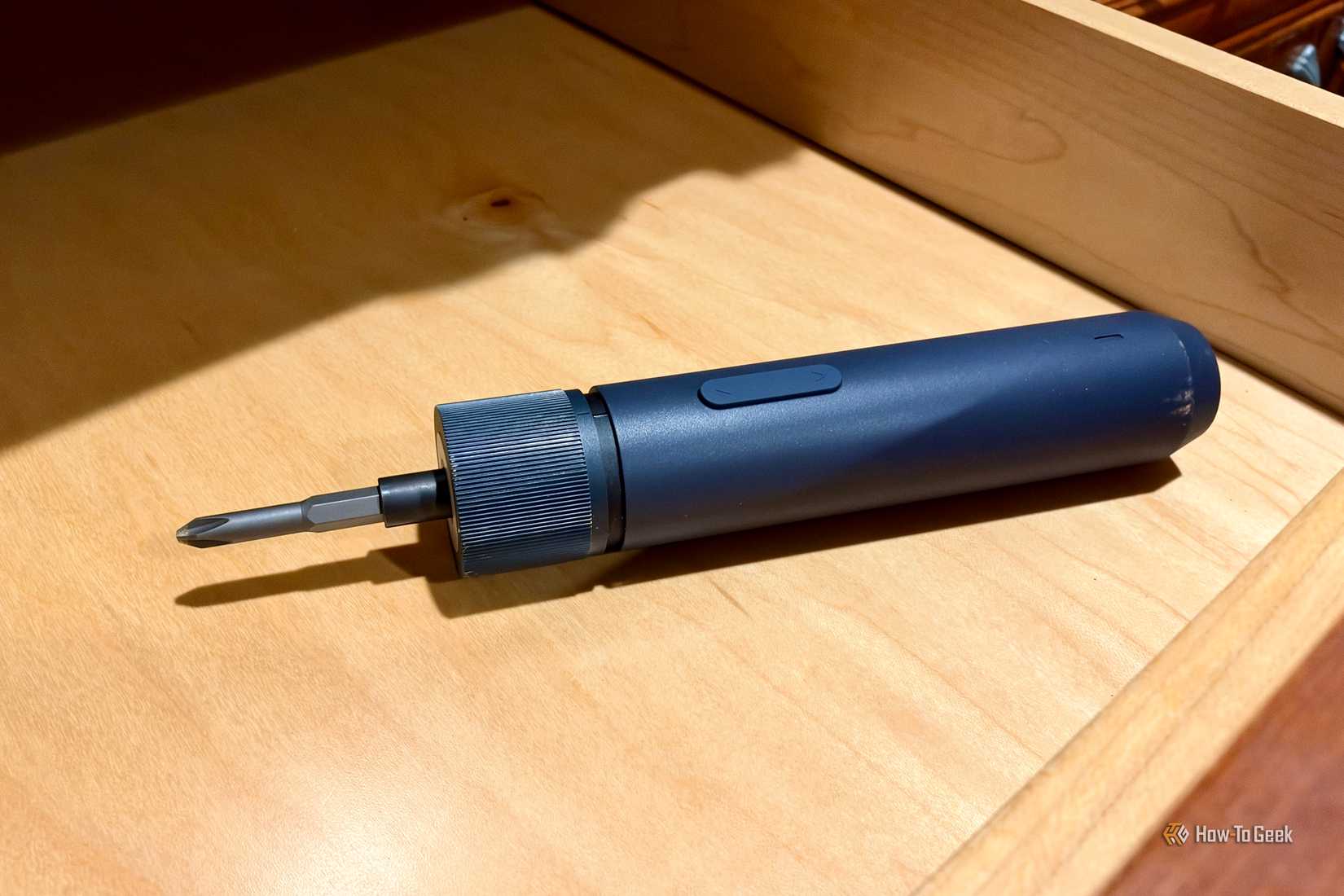
The slim, cylindrical profile of the electric screwdriver solves this problem. Its design allows it to slide into crevices where a pistol-grip drill would be obstructed by its own battery pack or motor housing. This "inline" design is particularly useful for tasks like tightening hinges inside a deep pantry, adjusting hardware behind a mounted television, or working within the confines of a computer chassis.
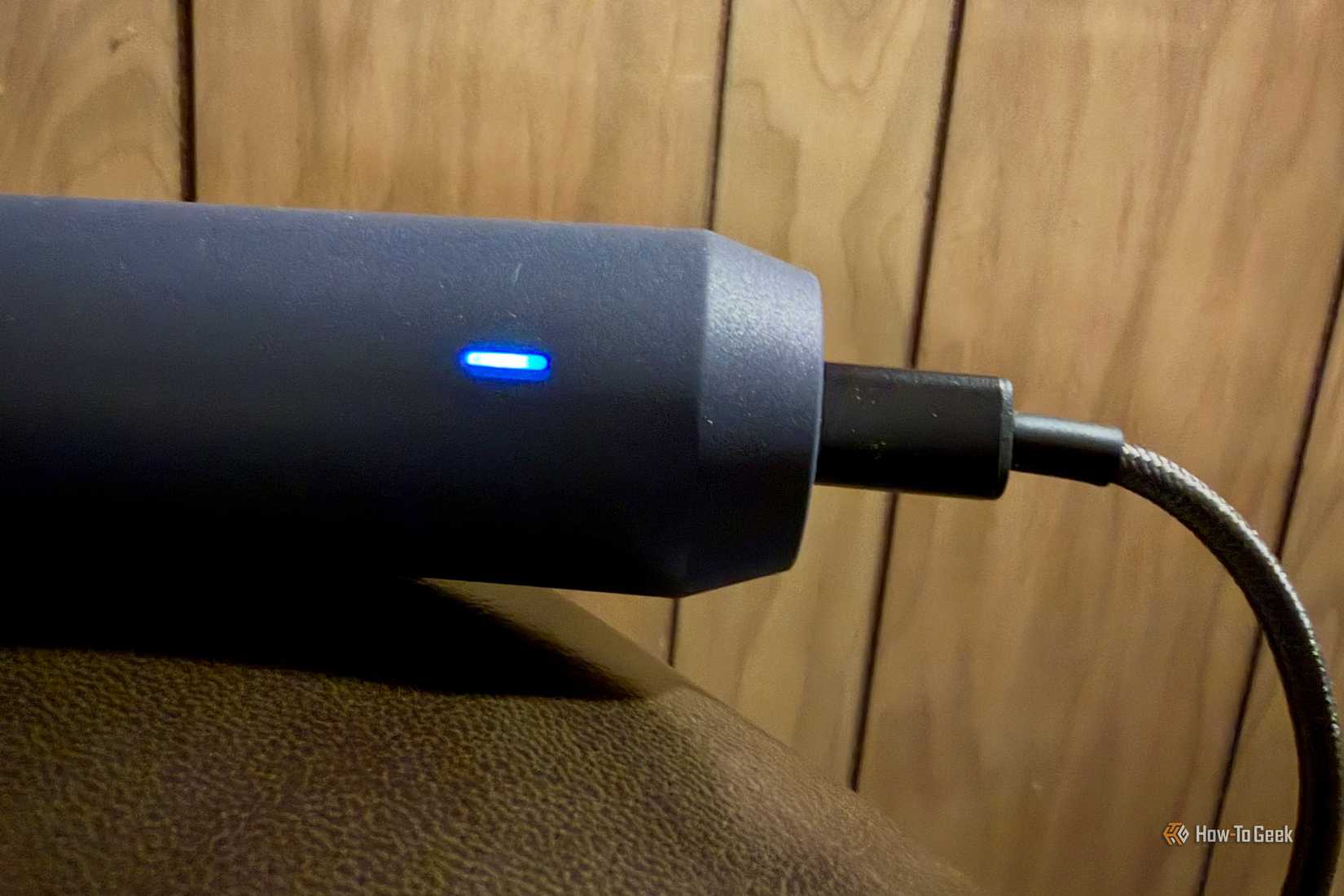
Lighting also plays a critical role in these "dead zones." While many high-end cordless drills feature integrated LEDs, the light is often positioned at the base of the handle, resulting in shadows cast by the tool’s own chuck or the user’s hand when working in deep recesses. Compact screwdrivers frequently feature circular "shadowless" LED rings around the bit holder, providing direct illumination exactly where the screw meets the surface. This ensures that even in the dark corners of a kitchen island or a crawlspace, the user maintains perfect visibility.
Ergonomics and the Reduction of Physical Strain
The shift toward smaller tools is also a matter of health and safety. Ergonomics in tool design has traditionally focused on grip and vibration reduction, but weight and torque-reactive force are equally important factors.
Using a two-pound drill for overhead tasks—such as installing a curtain rod or a ceiling light fixture—can lead to rapid muscle fatigue and wrist strain. The repetitive motion of lifting and holding a heavy tool at odd angles is a common cause of minor DIY injuries. By utilizing a tool that is a fraction of the weight, users can maintain a steadier hand for longer periods.
There is also the issue of torque management. High-voltage drills are designed to deliver massive amounts of rotational force. While this is necessary for driving long lag bolts into pressure-treated lumber, it can be a liability when working with delicate materials like plastic electronics housings or thin plywood. If a high-torque drill catches or reaches the end of a screw’s travel, the "kickback" or reactive force is transferred directly to the user’s wrist.
Small electric screwdrivers typically operate at lower speeds with gentler torque curves. This provides the user with much finer control, reducing the likelihood of stripping a screw head or cracking a fragile workpiece. The lower torque-reactive force makes the tool much more approachable for users who may lack the forearm strength to wrestle with a high-powered impact driver.
 Tech Tutorials & How-To Guides
Unlocking the Hidden Diagnostic Power of Amazon Fire TV: A Deep Dive into Developer Tools and System Transparency
The Amazon Fire TV ecosystem has evolved from a simple portal for...
 Tech Tutorials & How-To Guides
Google Transitions Beyond Chromebooks: A Deep Look at the New Googlebook OS and Its Enhanced Local File Management
The landscape of portable computing has undergone a seismic shift with the...
 Tech Tutorials & How-To Guides
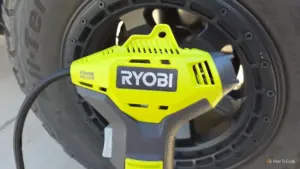
Essential Roadside Resilience: Why Modern Drivers are Turning to Portable Battery-Powered Solutions
The modern driving experience is often defined by a sense of seamless...







