
Reviving the Home Intercom for the Modern Age
For many who grew up in the latter half of the 20th century, the built-in home intercom system—often branded by companies like Nutone—was a symbol of modern domestic convenience. Unfortunately, many of these systems have fallen into disrepair, with their complex in-wall wiring making them difficult to service. Campanale notes that while many homeowners have abandoned these systems, the desire for effortless, room-to-room communication remains.
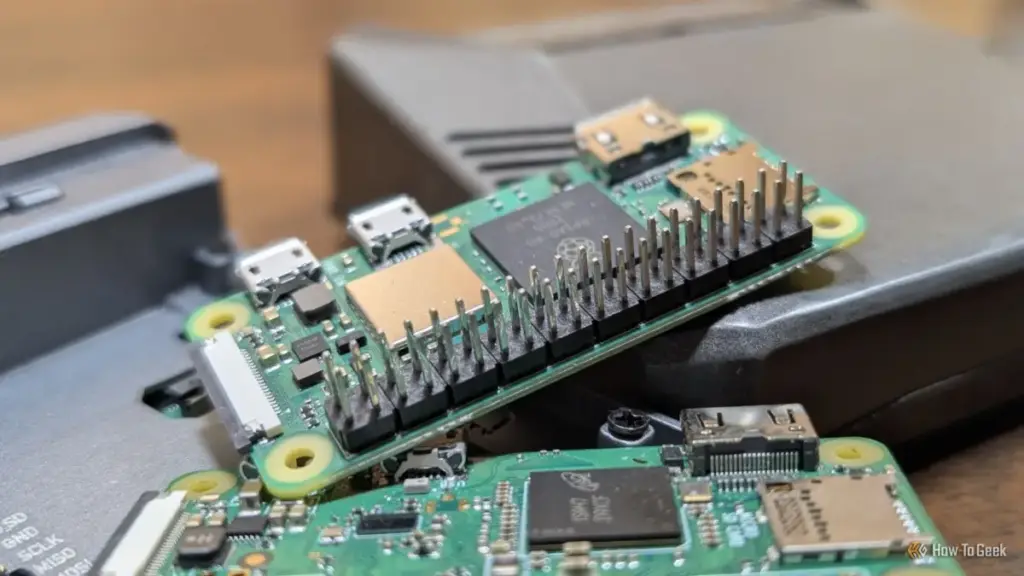
The modern solution does not require tearing open walls or installing expensive proprietary hardware. Instead, a few Raspberry Pi units and a network connection can create a more robust and flexible intercom system than anything available in the 1980s. The technical backbone of this project is talKKonnect, an open-source, headless client for the Mumble protocol. Originally designed for low-latency voice communication in gaming, Mumble is an ideal platform for a DIY walkie-talkie or intercom system due to its stability and high audio quality.

Setting up a home intercom involves configuring a Mumble server and deploying at least two Raspberry Pi units equipped with microphones and speakers. While Wi-Fi is a viable option for many homes, a wired Ethernet connection provides the lowest latency and highest reliability. The talKKonnect software specifically leverages the Pi’s GPIO pins to allow for physical push-to-talk buttons and volume dials, turning a microcomputer into a dedicated communication appliance. Once the initial two-unit link is established, the system is infinitely scalable, allowing users to add a Pi to every room in the house, ensuring that "dinner is ready" announcements reach every ear without a raised voice.
Elevating the Backyard Experience with a Digital Scoreboard
As outdoor gatherings and backyard games like cornhole, horseshoes, and spikeball continue to grow in popularity, the need for clear, visible scorekeeping becomes apparent. For the "resident geek" of the neighborhood, the Raspberry Pi offers an opportunity to build a piece of equipment that is both functional and impressive: a large-scale LED scoreboard.
This project centers on the "rpi-rgb-led-matrix" project, a sophisticated library that allows a Raspberry Pi to drive large RGB LED matrix panels. These panels are the same type used in commercial digital signage and stadium displays, offering high brightness that is easily visible even in direct sunlight. Depending on the specific model of the Raspberry Pi being used, makers can daisy-chain multiple panels together to create a display large enough to be seen from the other side of a yard or park.
 Tech Tutorials & How-To Guides
Asustor Lockerstor 2 Gen2+ NAS Review: A High-Security Storage Solution for Power Users and Small Businesses
In the rapidly evolving landscape of network-attached storage (NAS), the market is...
 Tech Tutorials & How-To Guides
Thrills and Psychological Chills: Netflix Bolsters October Lineup With ‘Unabomber’ and Genre Classics
As the calendar turns to the first full week of October, the...
 Tech Tutorials & How-To Guides
To Boldly Go From Your Desktop: Celebrating 60 Years of Star Trek Through Modern Tech Hobbies
As the calendar turns to late 2026, the global science fiction community...







