
In the modern landscape of digital entertainment, the motion picture rating system often serves as a shorthand for audience expectations. While a PG-13 rating frequently signals a calculated effort toward broad, four-quadrant appeal, the R rating has traditionally been viewed through a narrower lens, often associated with grim dramas or visceral horror. However, as streaming libraries expand and audience tastes evolve, a different side of the "Restricted" tag is emerging: the license to be unapologetically absurd, creatively profane, and narratively daring.
For many cinephiles, the R rating represents more than just mature themes; it represents a lack of compromise. It allows filmmakers to utilize the full breadth of the English language and explore comedic timing that might otherwise be stifled by the requirements of a more "family-friendly" cut. From the high-octane meta-commentary of the Marvel Cinematic Universe to the quiet, deadpan observations of indie legends, the current streaming rosters on Netflix, HBO Max, Hulu, and Disney+ are currently showcasing how the R rating can be a vehicle for some of the most inventive and entertaining storytelling in recent memory.
As we move through the latter half of 2026, several standout titles have defined this trend, proving that adult-oriented content is not just about shock value, but about the freedom to chase a joke or a concept to its most logical—and often most hilarious—extreme.
The Mercenary and the Mutant: A New Era for the MCU
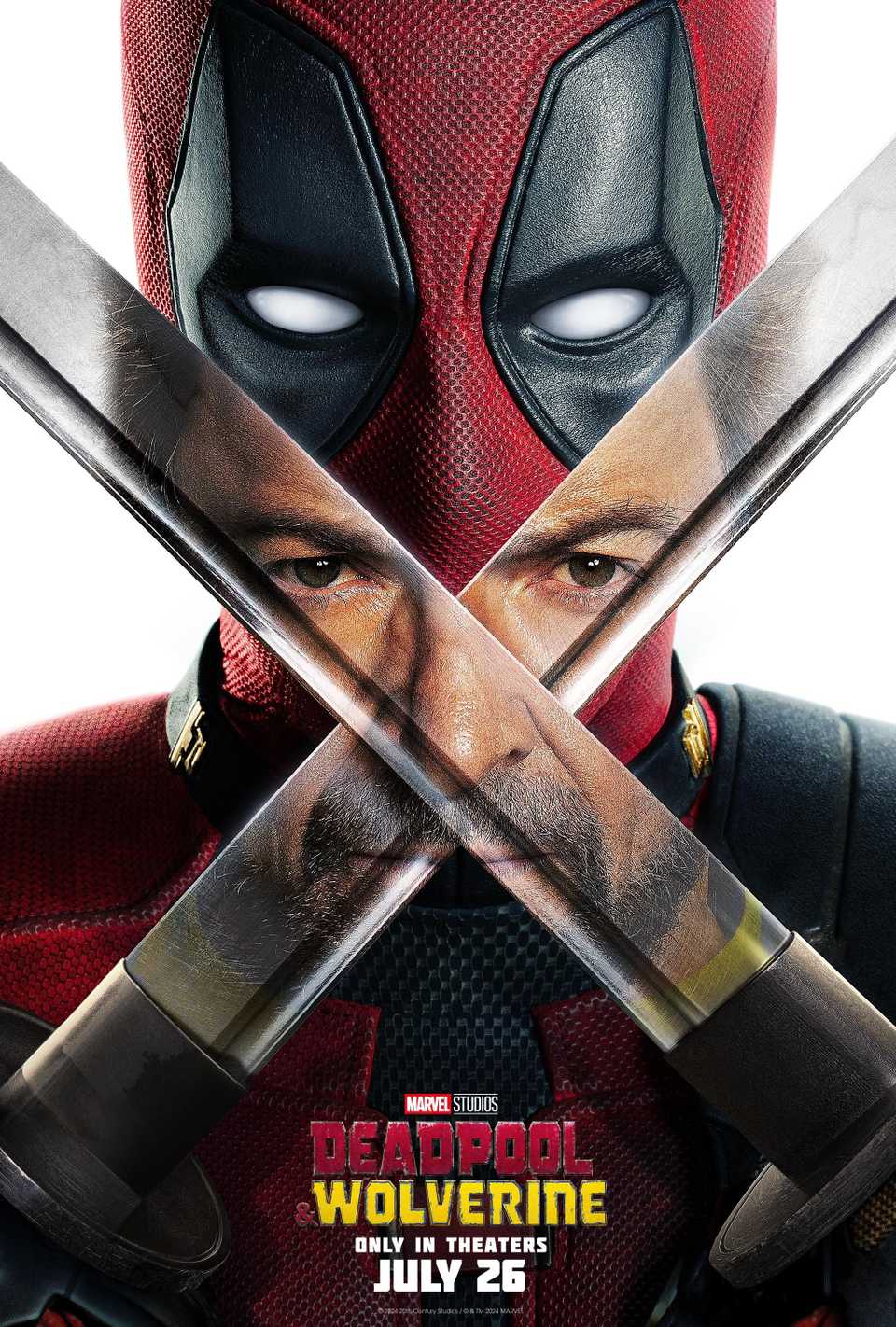
Perhaps no film better exemplifies the shifting tides of adult-oriented blockbusters than Deadpool & Wolverine. When Disney acquired 20th Century Fox, fans were understandably skeptical about how the infamously foul-mouthed Wade Wilson would fit into the traditionally PG-13 Marvel Cinematic Universe. The result was a definitive statement on the viability of R-rated spectacles. Directed by Shawn Levy, the film didn’t just maintain the edge of its predecessors; it leaned into it, using the rating to satirize the very corporate structure it now inhabited.
The film follows Wade Wilson (Ryan Reynolds), who has traded his life as a mercenary for a mundane existence, only to be forcibly recruited by the Time Variance Authority—a multiversal policing body first introduced in the Loki series. Faced with the imminent deletion of his home universe, Wade must track down a variant of Wolverine (Hugh Jackman) to serve as an "Anchor Being." What follows is a violent, profane, and deeply sentimental road trip across the "Void" at the end of time.

The chemistry between Reynolds and Jackman, long-simmering in the real world through social media banter, finally exploded on screen with a level of intensity that only an R rating could facilitate. Whether it is a brutal, blood-soaked opening credits sequence or a show-stopping brawl choreographed to Madonna’s "Like a Prayer," the film uses its maturity tag to deliver a level of kinetic energy that feels distinct from the rest of the MCU. While The Odyssey eventually claimed the title of the highest-grossing R-rated film of all time earlier this summer, Deadpool & Wolverine remains a landmark achievement, currently available for subscribers on Disney+.
The Art of the Cringe: Tim Robinson’s Mastery of Social Chaos
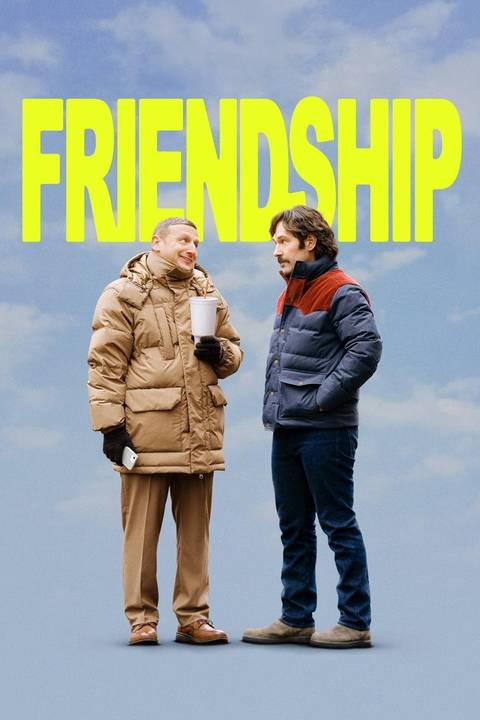
While Deadpool uses its rating for gore and meta-humor, the A24 production Friendship uses it to explore the agonizing depths of human social anxiety. For fans of Tim Robinson—the creative force behind the cult sensation I Think You Should Leave—the transition to a feature-length narrative was a highly anticipated event. In Friendship, Robinson brings his signature brand of "cringe comedy" to a story about the desperate, often destructive nature of male bonding.
Robinson stars as Craig, a suburban marketing executive whose life is defined by a lack of meaningful connection. This void is suddenly filled when he meets his new neighbor, Austin, played with effortless charisma by Paul Rudd. Austin is everything Craig is not: a local weatherman, a member of a punk band, and a man who seems to exist in a state of perpetual "cool." Craig’s attempt to insert himself into Austin’s life begins with awkwardness and quickly descends into a full-scale psychological meltdown.
The R rating here allows Robinson to push past the boundaries of standard sitcom discomfort. The film features sequences that range from a disastrous drug trip involving a psychedelic toad to a literal descent into a sewer tunnel. It is a film that understands the inherent comedy in a man who simply does not know when to stop, doubling down on social faux pas until the audience is left breathless. Now streaming on HBO Max—which recently reverted to its classic branding after a brief stint as simply "Max"—Friendship is a masterclass in the comedy of errors, proving that sometimes the most "adult" thing a movie can do is show how immature we can be when we’re lonely.
Satire in Slow Motion: Jim Jarmusch’s Zombie Apocalypse
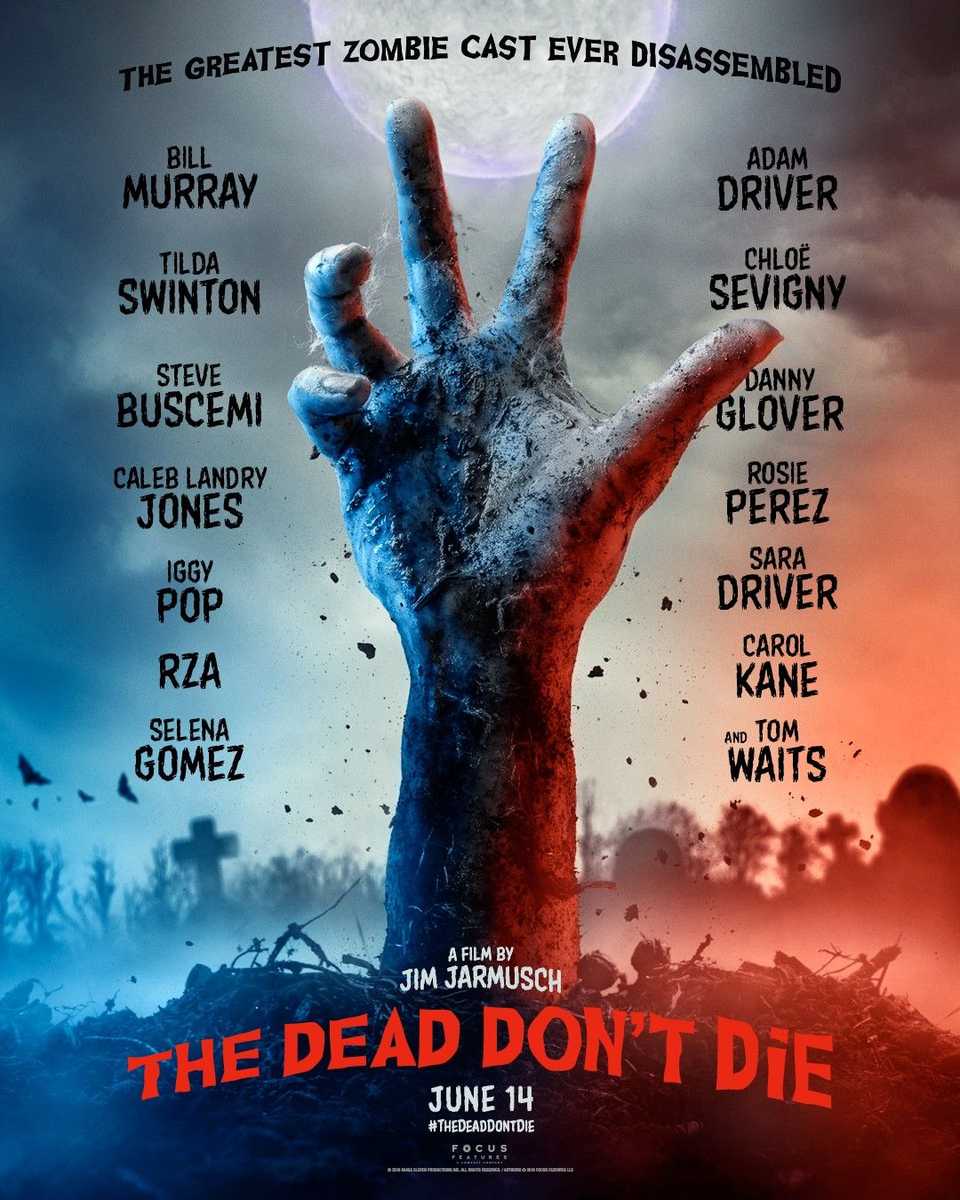
In the realm of independent cinema, Jim Jarmusch has long been a purveyor of the "cool and detached." With The Dead Don’t Die, Jarmusch turned his deadpan lens toward the zombie genre, creating a film that is as much a critique of modern consumerism as it is a horror-comedy. Set in the quiet, fictional town of Centerville, the film posits that "polar fracking" has knocked the Earth off its axis, causing the dead to rise.
Unlike the frenetic monsters of World War Z or the survivalist drama of The Walking Dead, Jarmusch’s zombies are creatures of habit. They don’t just crave brains; they crave the vices that defined their living hours. This leads to absurdly poignant imagery: Iggy Pop as a "coffee zombie" wandering into a diner, or Carol Kane as a "drunk zombie" mourning the loss of her favorite chardonnay.
The film’s strength lies in its incredible ensemble cast. Bill Murray and Adam Driver lead the way as local police officers who greet the end of the world with a mixture of mild annoyance and resigned acceptance. Tilda Swinton provides a standout performance as Zelda Winston, a katana-wielding mortician with an enigmatic background that adds a layer of sci-fi surrealism to the proceedings. While the film’s pacing is intentionally languid—fitting for a director of Jarmusch’s sensibilities—its R-rated humor is sharp and self-aware. It is a movie that frequently breaks the fourth wall, with characters commenting on the script itself, making it a unique entry in the Netflix library for viewers looking for something that subverts traditional genre tropes.
The Top Pick: A Paradoxical Race Against Time
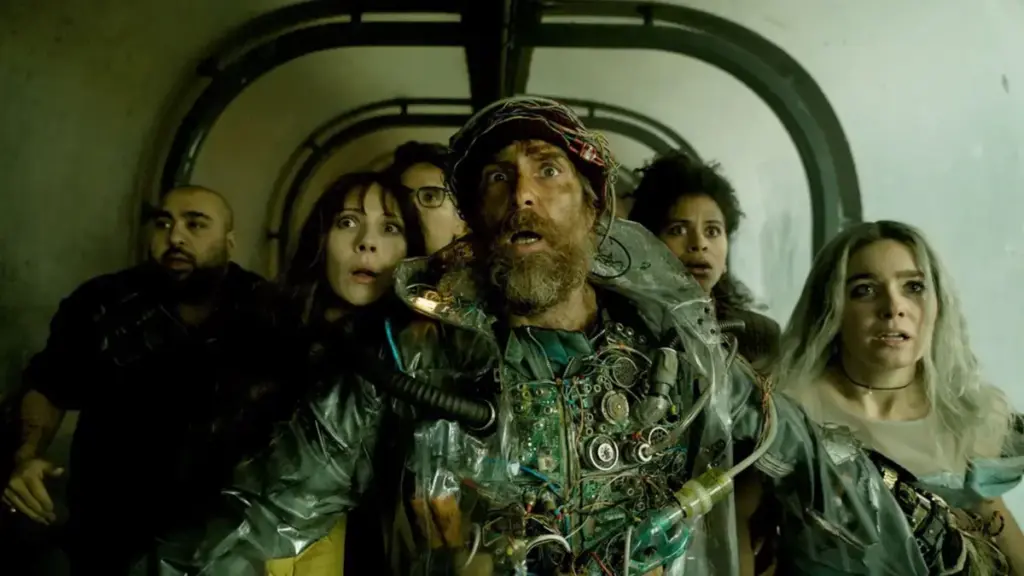
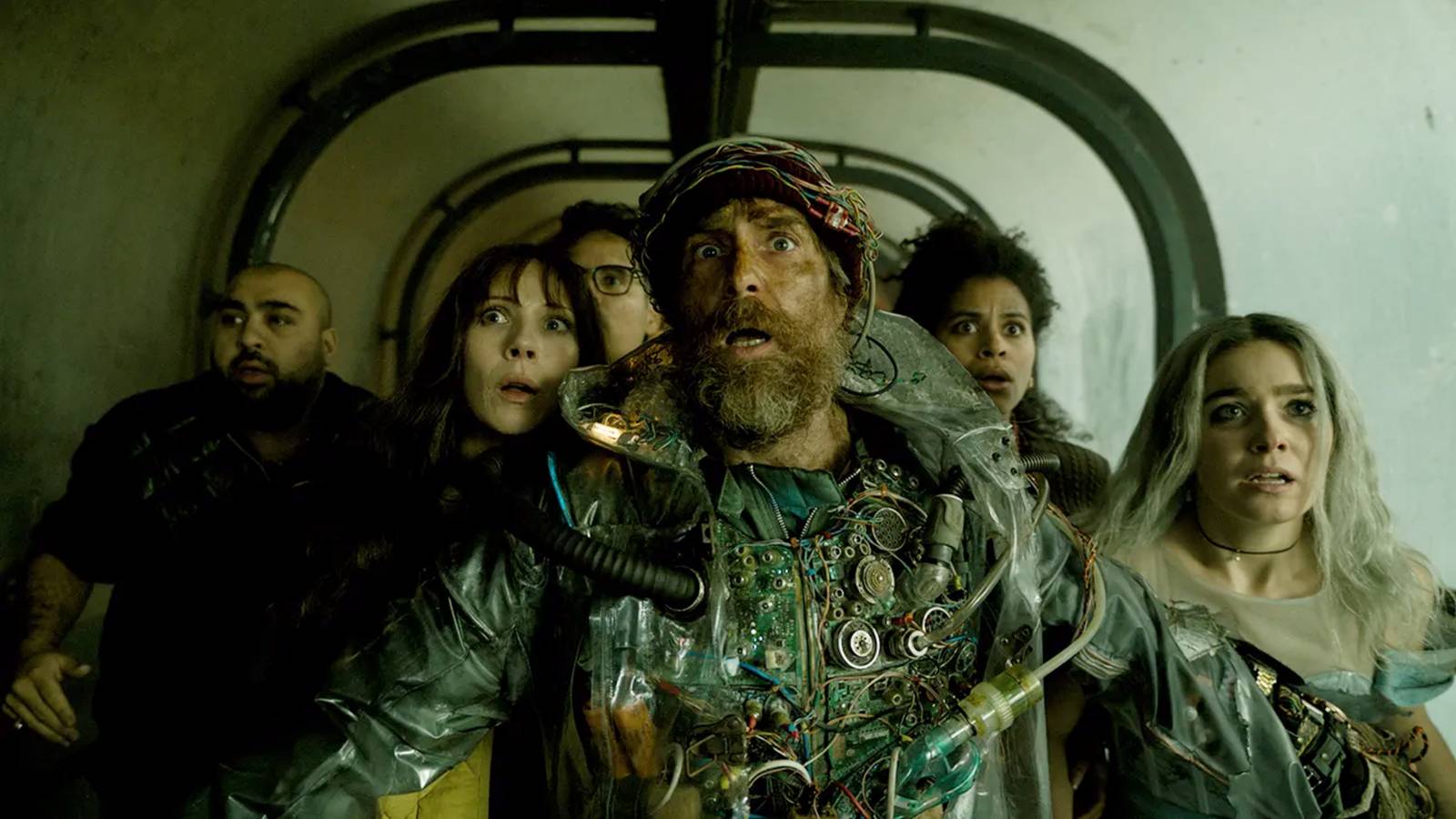
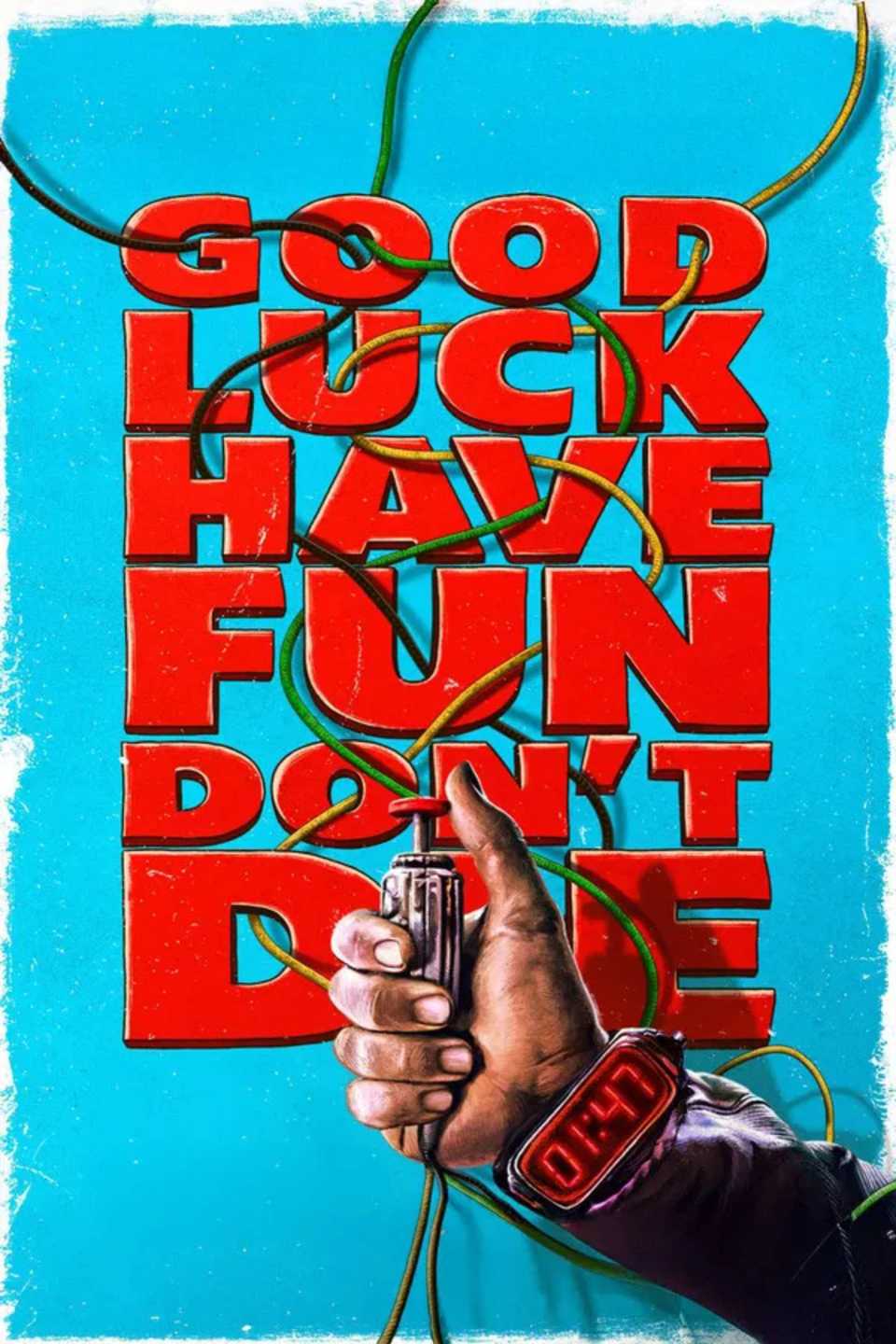
If there is one film that perfectly encapsulates the "fun and funny" potential of the R rating, it is Gore Verbinski’s Good Luck, Have Fun, Don’t Die. Premiering in late 2025 and finding its true footing on streaming platforms in 2026, this film marks a triumphant return for Verbinski, the director who brought a similar sense of chaotic energy to the early Pirates of the Caribbean films.
The premise is a high-concept delight: Sam Rockwell stars as a man who looks like a "Blade Runner hobo," claiming to be a traveler from a future decimated by a rogue Artificial Intelligence. He enters a Los Angeles diner and informs the bewildered patrons that they are the only ones who can help him save humanity. The twist? He has lived this exact night 116 times before, and every previous attempt has ended in failure.
Rockwell is in top form here, utilizing his manic charisma to play a man who is both a savior and a complete lunatic. The R rating is used not just for the occasional "F-bomb," but to allow for the kind of gleefully bonkers action sequences that Verbinski excels at. The supporting cast, featuring Juno Temple and Zazie Beetz, brings a grounded humanity to the increasingly absurd time-travel paradoxes.
Good Luck, Have Fun, Don’t Die succeeds because it treats its audience with intelligence while never taking itself too seriously. It understands that the stakes of the apocalypse are high, but that doesn’t mean the journey can’t be filled with irreverent humor and inventive set pieces. For those with a Hulu subscription, it stands as the definitive recommendation for a movie night that requires equal parts brainpower and belly laughs.
A Rowdy Night at Home
As these films demonstrate, the R rating is far from a deterrent for modern audiences; in many ways, it has become a hallmark of creative sincerity. Whether it’s the visceral combat of a superhero duo, the agonizing social failures of a lonely neighbor, the satirical rot of a small town, or the frantic loops of a time-traveler, these stories thrive because they are allowed to exist outside the constraints of general-audience expectations.
For viewers looking to curate their next streaming experience, these four titles offer a diverse look at what adult-oriented cinema can achieve when the goal is pure entertainment. As the industry continues to navigate the balance between theatrical releases and digital premieres, the success of these rowdy, unfiltered stories suggests that the "Restricted" tag is, in fact, an invitation to see something truly unique.
 Tech Tutorials & How-To Guides
To Boldly Go From Your Desktop: Celebrating 60 Years of Star Trek Through Modern Tech Hobbies
As the calendar turns to late 2026, the global science fiction community...
 Tech Tutorials & How-To Guides
Microsoft Security Reports Highlight Growing Need for Advanced Windows 11 Protection Measures
The landscape of digital security is undergoing a fundamental shift as cybercriminals...
 Tech Tutorials & How-To Guides
Beyond the Slicer: Why MeshLab Remains the Essential Tool for Repairing Corrupt 3D Models
The world of 3D printing has evolved from a niche hobby for...







