
The Art of the Cringe: Tim Robinson’s Mastery of Social Chaos
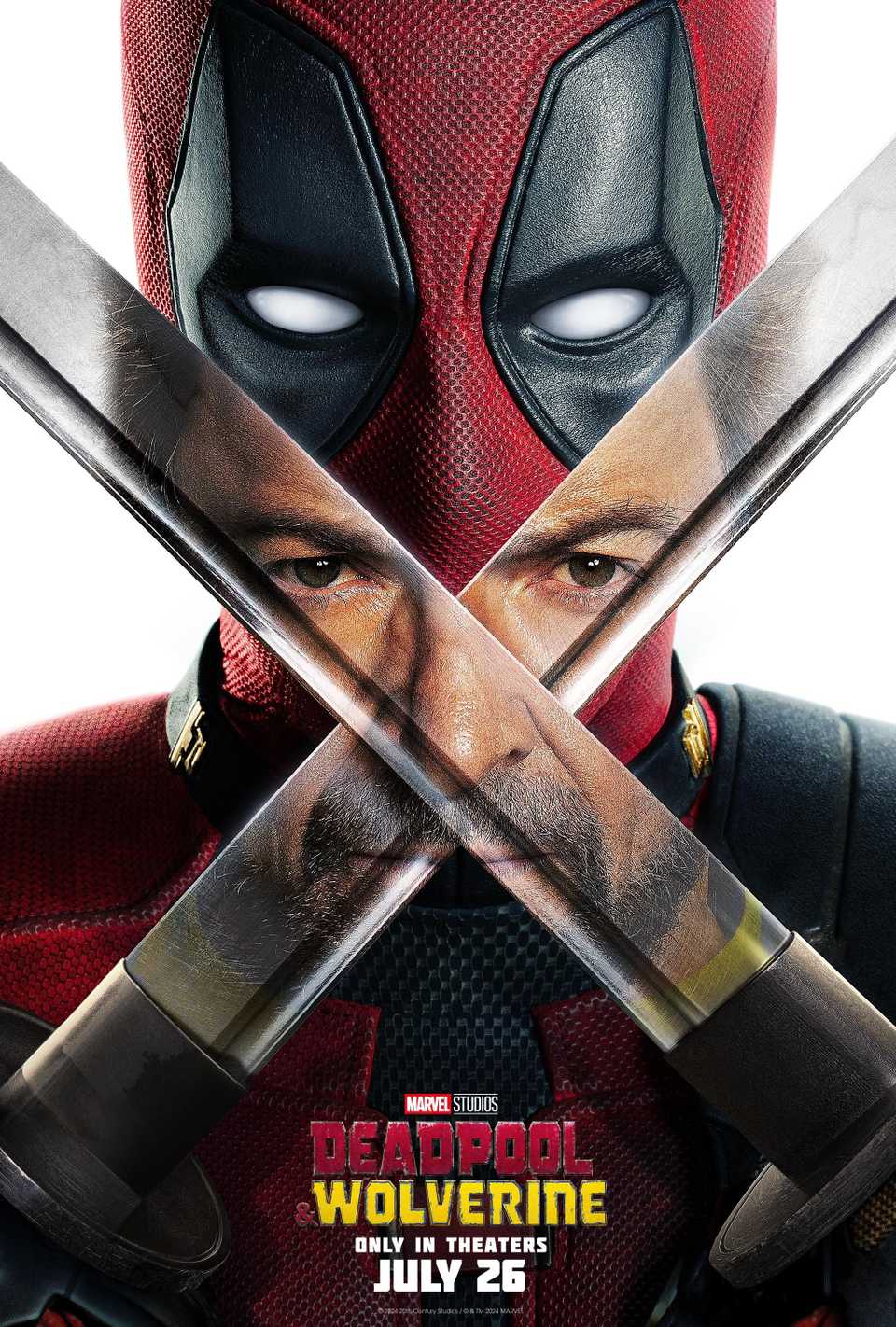
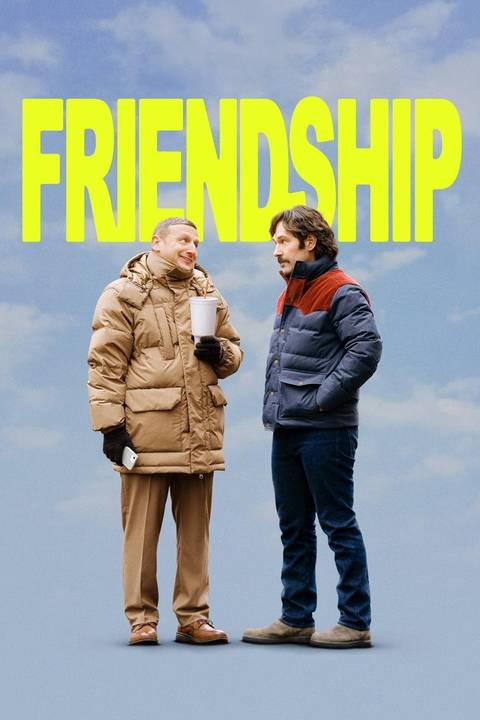
While Deadpool uses its rating for gore and meta-humor, the A24 production Friendship uses it to explore the agonizing depths of human social anxiety. For fans of Tim Robinson—the creative force behind the cult sensation I Think You Should Leave—the transition to a feature-length narrative was a highly anticipated event. In Friendship, Robinson brings his signature brand of "cringe comedy" to a story about the desperate, often destructive nature of male bonding.
Robinson stars as Craig, a suburban marketing executive whose life is defined by a lack of meaningful connection. This void is suddenly filled when he meets his new neighbor, Austin, played with effortless charisma by Paul Rudd. Austin is everything Craig is not: a local weatherman, a member of a punk band, and a man who seems to exist in a state of perpetual "cool." Craig’s attempt to insert himself into Austin’s life begins with awkwardness and quickly descends into a full-scale psychological meltdown.
The R rating here allows Robinson to push past the boundaries of standard sitcom discomfort. The film features sequences that range from a disastrous drug trip involving a psychedelic toad to a literal descent into a sewer tunnel. It is a film that understands the inherent comedy in a man who simply does not know when to stop, doubling down on social faux pas until the audience is left breathless. Now streaming on HBO Max—which recently reverted to its classic branding after a brief stint as simply "Max"—Friendship is a masterclass in the comedy of errors, proving that sometimes the most "adult" thing a movie can do is show how immature we can be when we’re lonely.
Satire in Slow Motion: Jim Jarmusch’s Zombie Apocalypse
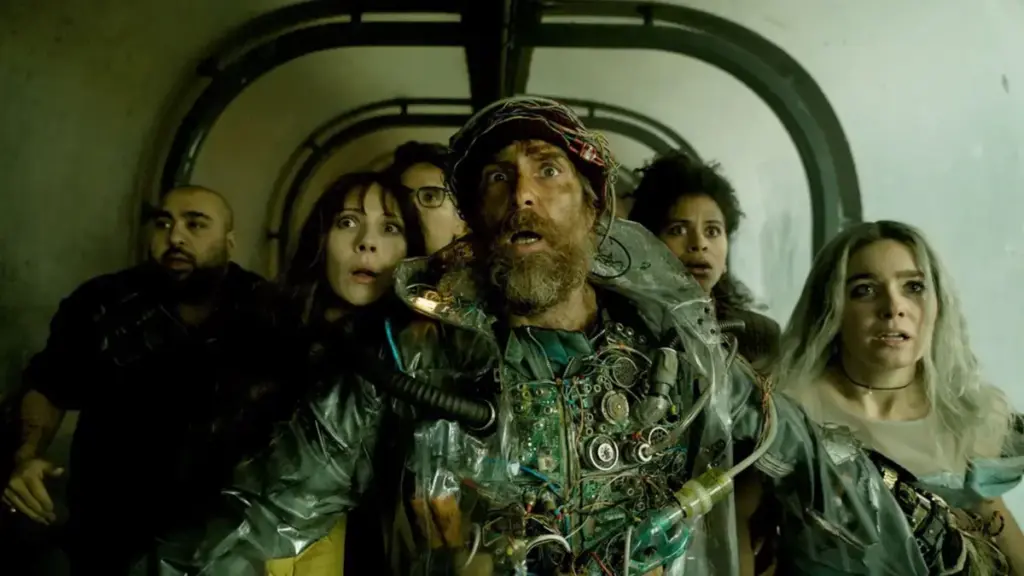
In the realm of independent cinema, Jim Jarmusch has long been a purveyor of the "cool and detached." With The Dead Don’t Die, Jarmusch turned his deadpan lens toward the zombie genre, creating a film that is as much a critique of modern consumerism as it is a horror-comedy. Set in the quiet, fictional town of Centerville, the film posits that "polar fracking" has knocked the Earth off its axis, causing the dead to rise.
Unlike the frenetic monsters of World War Z or the survivalist drama of The Walking Dead, Jarmusch’s zombies are creatures of habit. They don’t just crave brains; they crave the vices that defined their living hours. This leads to absurdly poignant imagery: Iggy Pop as a "coffee zombie" wandering into a diner, or Carol Kane as a "drunk zombie" mourning the loss of her favorite chardonnay.
The film’s strength lies in its incredible ensemble cast. Bill Murray and Adam Driver lead the way as local police officers who greet the end of the world with a mixture of mild annoyance and resigned acceptance. Tilda Swinton provides a standout performance as Zelda Winston, a katana-wielding mortician with an enigmatic background that adds a layer of sci-fi surrealism to the proceedings. While the film’s pacing is intentionally languid—fitting for a director of Jarmusch’s sensibilities—its R-rated humor is sharp and self-aware. It is a movie that frequently breaks the fourth wall, with characters commenting on the script itself, making it a unique entry in the Netflix library for viewers looking for something that subverts traditional genre tropes.
 Tech Tutorials & How-To Guides
Amazon Retires Fire Tablet Brand in Favor of New Alexa Tablet Line with Google Play Support
In a sweeping transformation of its mobile hardware strategy, Amazon has announced...
 Tech Tutorials & How-To Guides
Beyond the Drill: How Ryobi’s ONE+ Ecosystem is Redefining the Modern Home and Workshop
For decades, the image of a cordless power tool was tethered strictly...
 Tech Tutorials & How-To Guides
Five Highly Rated Comedy Series on Netflix for Quick and Easy Viewing
In the modern landscape of streaming, where "prestige television" often demands dozens...






