
In the contemporary landscape of consumer electronics, it has become an open secret that the sleek, ultra-thin displays occupying our living rooms are doing much more than simply rendering high-definition images. For years, privacy advocates and tech enthusiasts have warned that the "smart" in smart TV is often a euphemism for a sophisticated surveillance apparatus. While the industry has long faced scrutiny over its data collection practices, recent independent research suggests that the depth of this intrusion is far more profound—and far more difficult to circumvent—than previously understood.
The convenience of integrated streaming apps, voice commands, and personalized recommendations comes with a significant trade-off. New investigations into the background operations of major television brands indicate that even the most tech-savvy consumers, those who employ advanced network filters and privacy settings, may be failing to stop the flow of their personal data to manufacturer servers. The reality of the modern television market is that the hardware is often a secondary product; the primary commodity is the viewer.
The Invisible Eye of Automatic Content Recognition
At the heart of the privacy debate is a technology known as Automatic Content Recognition, or ACR. While many consumers believe their television only tracks what they do within specific apps like Netflix or YouTube, ACR operates at a much deeper level. This feature allows a smart TV or streaming stick to sample the pixels on the screen at regular intervals, creating a digital fingerprint of whatever is being displayed.
This data collection is not limited to the TV’s internal software. Because ACR captures information directly from the screen’s output, it can monitor content from any source connected via HDMI. Whether a user is playing a video game on a console, watching a private home movie from a laptop, or viewing a physical disc on a Blu-ray player, the TV is capable of identifying the content and reporting it back to the manufacturer.
The true extent of this surveillance was recently highlighted in an exhaustive investigative deep dive conducted by Gamers Nexus. Their research, which focused heavily on LG’s ecosystem, revealed that the data collection goes beyond mere content identification. The investigation alleged that testing found instances of audio capture through built-in microphones in both the television units and their respective remotes. While LG has disputed these claims, asserting that voice-recognition features only process audio when specifically activated by the user, the technical capability for broader ambient monitoring remains a point of intense concern for privacy researchers.

LG executives have previously been candid about their position in the market, famously stating that they "own the glass." This philosophy suggests that once a consumer brings a device into their home, the manufacturer retains a level of control over the visual and auditory environment that the user might not have explicitly consented to in a traditional sense.
Beyond the Screen: Network Scanning and Metadata Harvesting
The data harvesting does not stop at the content on the screen. Modern smart TVs are increasingly acting as network probes. Research indicates that these devices perform frequent scans of their local environment, identifying surrounding Wi-Fi SSIDs, measuring signal strengths, and even logging the MAC addresses of other devices in the vicinity. This allows manufacturers to build a comprehensive profile of a user’s home network and the other electronics they own.
Furthermore, the volume of data being transmitted is staggering. Investigations have shown that smart TVs can send gigabytes of telemetry data back to corporate servers. This metadata can include everything from how long a user pauses a show to the specific settings they use for brightness and contrast. While LG has been a primary focus of recent scrutiny, they are far from alone. Other major players, including Roku, have been cited in research by organizations like RTINGS for similar aggressive data collection behaviors.
The industry defense often hinges on the fact that many of these features are technically "opt-in." However, the reality of the setup process tells a different story. Manufacturers often employ "dark patterns"—user interface designs intended to manipulate users into making certain choices. During the initial setup of a new TV, users are often presented with a barrage of terms and conditions. These are frequently bundled in a way that makes it difficult to use the TV’s basic smart features without agreeing to all forms of data collection. Most users, eager to begin using their new purchase, simply click "Accept All," unknowingly opening the door to constant surveillance.
The Failure of Traditional Privacy Safeguards
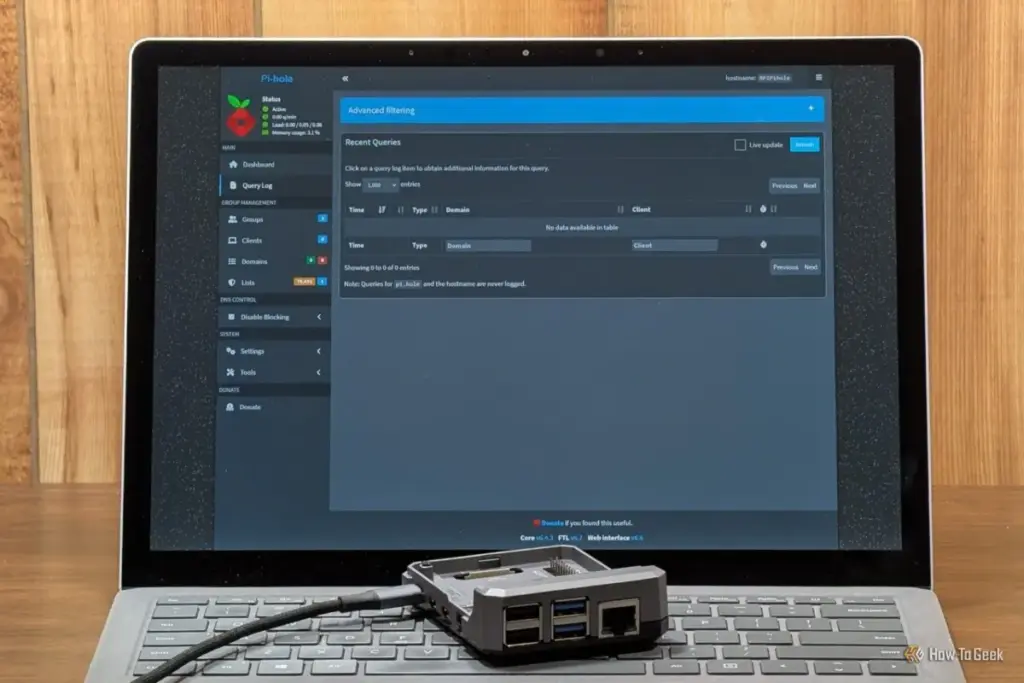
For the privacy-conscious consumer, the standard response to this surveillance has been the implementation of DNS sinkholes, such as Pi-hole or AdGuard Home. These tools act as a filter for an entire home network, blocking known tracking and advertising domains at the DNS level. In theory, if the TV tries to "call home" to a manufacturer’s data server, the DNS sinkhole should intercept the request and drop it.

However, recent findings have dealt a blow to the perceived effectiveness of these tools. It appears that many smart TV manufacturers have anticipated this move. Instead of relying on the network’s assigned DNS provider, many TVs are now hardcoded to use specific public DNS servers, such as Google’s 8.8.8.8. When a device is hardcoded in this manner, it bypasses the local DNS sinkhole entirely. The queries never reach the Pi-hole or AdGuard Home, meaning the user remains completely unaware that the TV is still communicating with external servers.
This creates a dangerous false sense of security. A user might check their Pi-hole logs, see very little traffic from their TV, and conclude that their privacy measures are working. In reality, the TV could be bypassing those measures through a hardcoded "backdoor," continuing to transmit gigabytes of data directly to the manufacturer or third-party advertisers without a single entry appearing in the local logs.
The Complexity of Firewall Interception
While it is technically possible to combat hardcoded DNS through a properly configured firewall, the barrier to entry is high. To force a smart TV to respect local privacy settings, a user would need a high-end router or custom firmware like OpenWrt. They would then need to implement a Port 53 NAT redirection rule, which intercepts any DNS request leaving the network and reroutes it to the local DNS sinkhole.
Even this advanced solution is not foolproof. Some smart TVs are programmed to be "aggressive" in their connectivity. If they detect that their hardcoded DNS requests are being tampered with or redirected, they may cease to function correctly, or they may repeatedly attempt to establish a connection, creating a loop that can degrade network performance. Furthermore, as the industry moves toward DNS-over-HTTPS (DoH), which uses the same port as standard web traffic (Port 443), blocking or redirecting these requests becomes significantly more difficult without breaking the TV’s legitimate functionality.
The Case for the "Dumb" Display
Given the escalating arms race between manufacturer surveillance and consumer privacy tools, some experts argue that the only way to truly secure a living room is to return to the concept of the "dumb" display. This involves a total and permanent disconnection of the television from the internet.
By never connecting the TV to Wi-Fi or Ethernet, the manufacturer’s ability to transmit collected data is severed. However, as the Gamers Nexus research suggests, even this is not a perfect solution. Some TVs are capable of storing collected data locally, waiting for a moment of connectivity—perhaps during a brief software update or a troubleshooting session—to dump a massive package of accumulated telemetry. To be effective, the disconnection must be absolute.
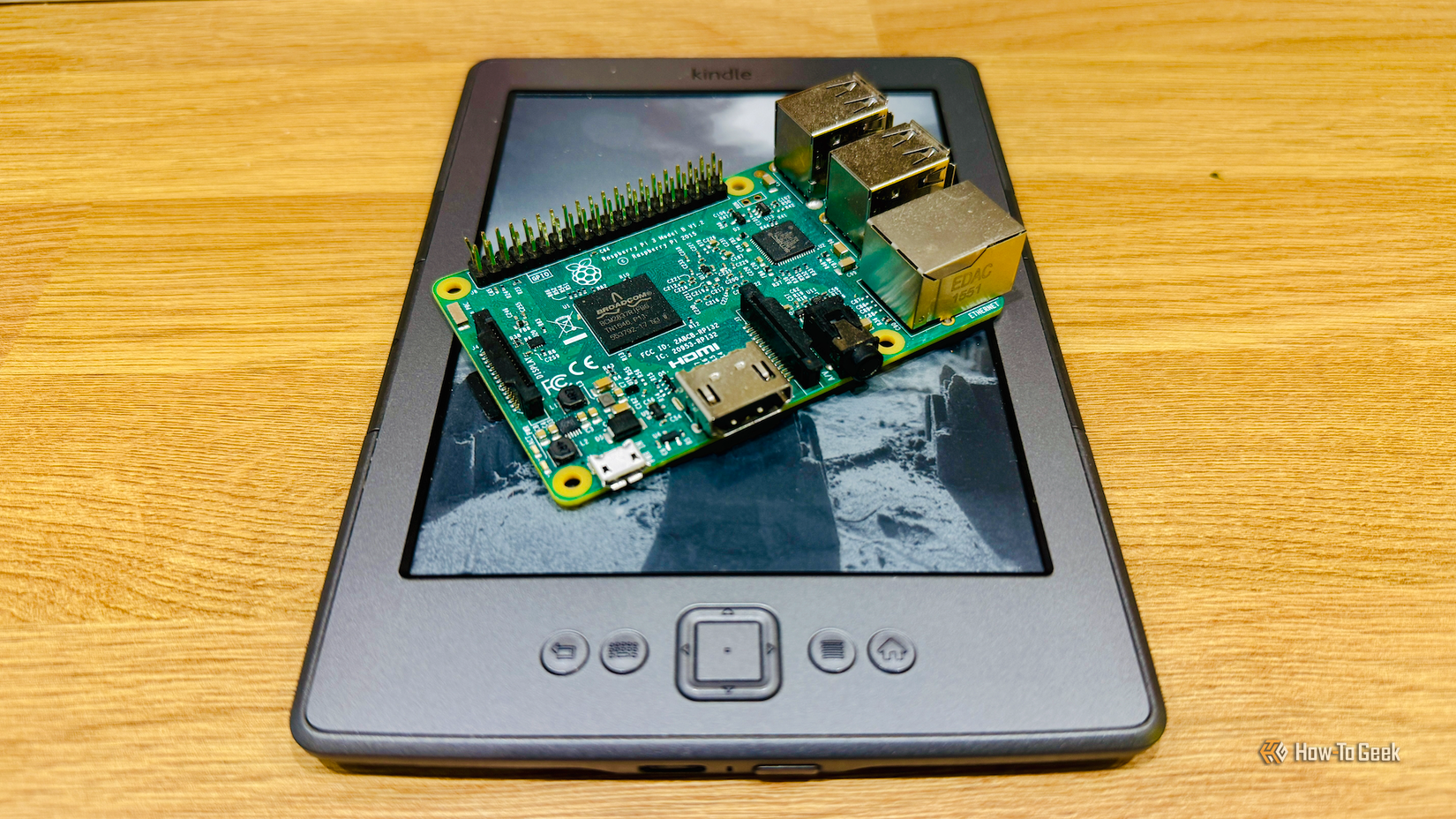
This approach, of course, strips the television of the features for which many consumers bought it. It requires the use of external devices that the user feels they can trust more than the TV itself. This might include a dedicated home theater PC, a gaming console, or a specialized media center like a Raspberry Pi running open-source software. While these devices also collect data, they often provide more transparent privacy controls than the opaque operating systems found in modern smart TVs.
Reclaiming the Living Room
The current state of the television market reflects a broader trend in the tech industry: the erosion of the boundary between a purchased product and a subscription service. The reason "dumb" TVs have largely vanished from store shelves is economic. The margins on hardware are incredibly thin, often to the point where budget TVs are sold at a loss. Manufacturers recoup these costs—and generate their primary profits—through the sale of user data and the placement of advertisements within the TV’s interface.
Consumers are currently trapped in a system where they must often trade their privacy for affordability. However, the growing body of research into smart TV spying is beginning to spark a broader conversation about digital rights in the home. There is an increasing call for manufacturers to offer high-quality displays that do not require an internet connection to function, or at the very least, to provide a clear, one-click "privacy mode" that disables all telemetry without breaking the hardware.
Until the industry shifts toward greater transparency, the burden of privacy remains on the individual. Whether through complex network configurations or the simple act of pulling the plug, the battle for the living room is no longer just about what we watch, but about who is watching us.
 Tech Tutorials & How-To Guides
The Linux Mint Paradox: Why the ‘Windows Alternative’ May Not Be the Gateway It’s Marketed to Be
For years, the tech community has championed Linux Mint as the definitive...
 Tech Tutorials & How-To Guides
Unlocking the Hidden Diagnostic Power of Amazon Fire TV: A Deep Dive into Developer Tools and System Transparency
The Amazon Fire TV ecosystem has evolved from a simple portal for...
 Tech Tutorials & How-To Guides
The Mechanical Resilience of the Hard Disk Drive: Utilizing Hook-and-Loop Fasteners to Combat Vibration and Extend Hardware Longevity
In an era increasingly dominated by the blistering speeds of NVMe solid-state...







