
Furthermore, the volume of data being transmitted is staggering. Investigations have shown that smart TVs can send gigabytes of telemetry data back to corporate servers. This metadata can include everything from how long a user pauses a show to the specific settings they use for brightness and contrast. While LG has been a primary focus of recent scrutiny, they are far from alone. Other major players, including Roku, have been cited in research by organizations like RTINGS for similar aggressive data collection behaviors.
The industry defense often hinges on the fact that many of these features are technically "opt-in." However, the reality of the setup process tells a different story. Manufacturers often employ "dark patterns"—user interface designs intended to manipulate users into making certain choices. During the initial setup of a new TV, users are often presented with a barrage of terms and conditions. These are frequently bundled in a way that makes it difficult to use the TV’s basic smart features without agreeing to all forms of data collection. Most users, eager to begin using their new purchase, simply click "Accept All," unknowingly opening the door to constant surveillance.
The Failure of Traditional Privacy Safeguards
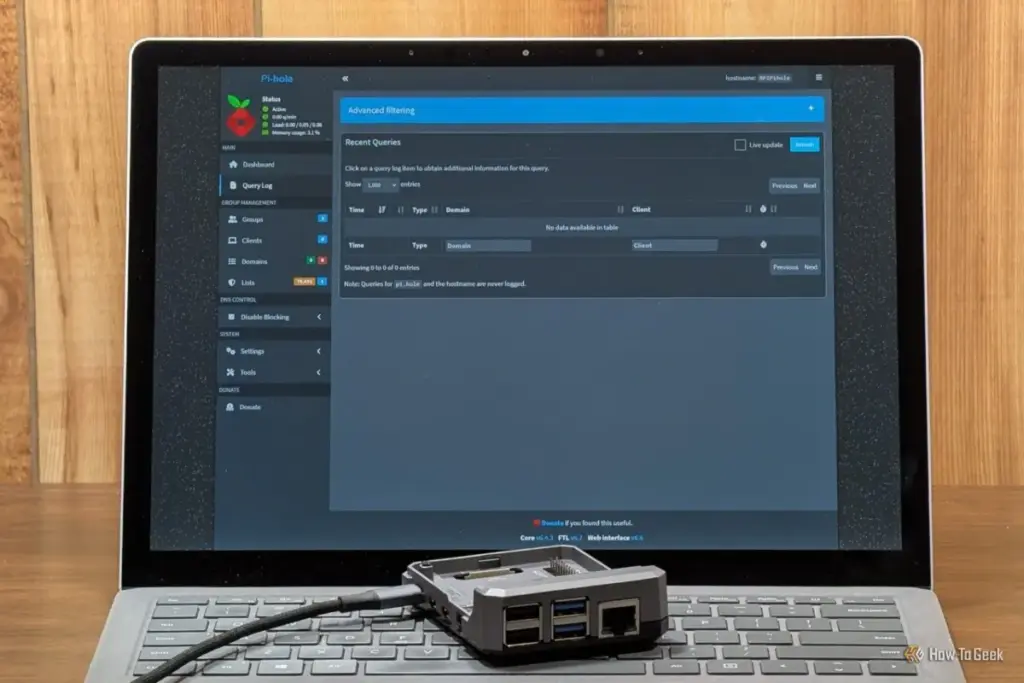
For the privacy-conscious consumer, the standard response to this surveillance has been the implementation of DNS sinkholes, such as Pi-hole or AdGuard Home. These tools act as a filter for an entire home network, blocking known tracking and advertising domains at the DNS level. In theory, if the TV tries to "call home" to a manufacturer’s data server, the DNS sinkhole should intercept the request and drop it.

However, recent findings have dealt a blow to the perceived effectiveness of these tools. It appears that many smart TV manufacturers have anticipated this move. Instead of relying on the network’s assigned DNS provider, many TVs are now hardcoded to use specific public DNS servers, such as Google’s 8.8.8.8. When a device is hardcoded in this manner, it bypasses the local DNS sinkhole entirely. The queries never reach the Pi-hole or AdGuard Home, meaning the user remains completely unaware that the TV is still communicating with external servers.
This creates a dangerous false sense of security. A user might check their Pi-hole logs, see very little traffic from their TV, and conclude that their privacy measures are working. In reality, the TV could be bypassing those measures through a hardcoded "backdoor," continuing to transmit gigabytes of data directly to the manufacturer or third-party advertisers without a single entry appearing in the local logs.
The Complexity of Firewall Interception
While it is technically possible to combat hardcoded DNS through a properly configured firewall, the barrier to entry is high. To force a smart TV to respect local privacy settings, a user would need a high-end router or custom firmware like OpenWrt. They would then need to implement a Port 53 NAT redirection rule, which intercepts any DNS request leaving the network and reroutes it to the local DNS sinkhole.
Even this advanced solution is not foolproof. Some smart TVs are programmed to be "aggressive" in their connectivity. If they detect that their hardcoded DNS requests are being tampered with or redirected, they may cease to function correctly, or they may repeatedly attempt to establish a connection, creating a loop that can degrade network performance. Furthermore, as the industry moves toward DNS-over-HTTPS (DoH), which uses the same port as standard web traffic (Port 443), blocking or redirecting these requests becomes significantly more difficult without breaking the TV’s legitimate functionality.
 Tech Tutorials & How-To Guides
Netflix Expands October Streaming Lineup With High-Stakes Sports Dramas and Darkly Humorous Animation
As the autumn chill settles in and the evening air turns crisp,...
 Tech Tutorials & How-To Guides
Paramount+ Expands Library with Major October Update as Spooky Season Begins
As the calendar turns to October and the first chill of autumn...
 Tech Tutorials & How-To Guides
Essential Roadside Resilience: Why Modern Drivers are Turning to Portable Battery-Powered Solutions
The modern driving experience is often defined by a sense of seamless...







