
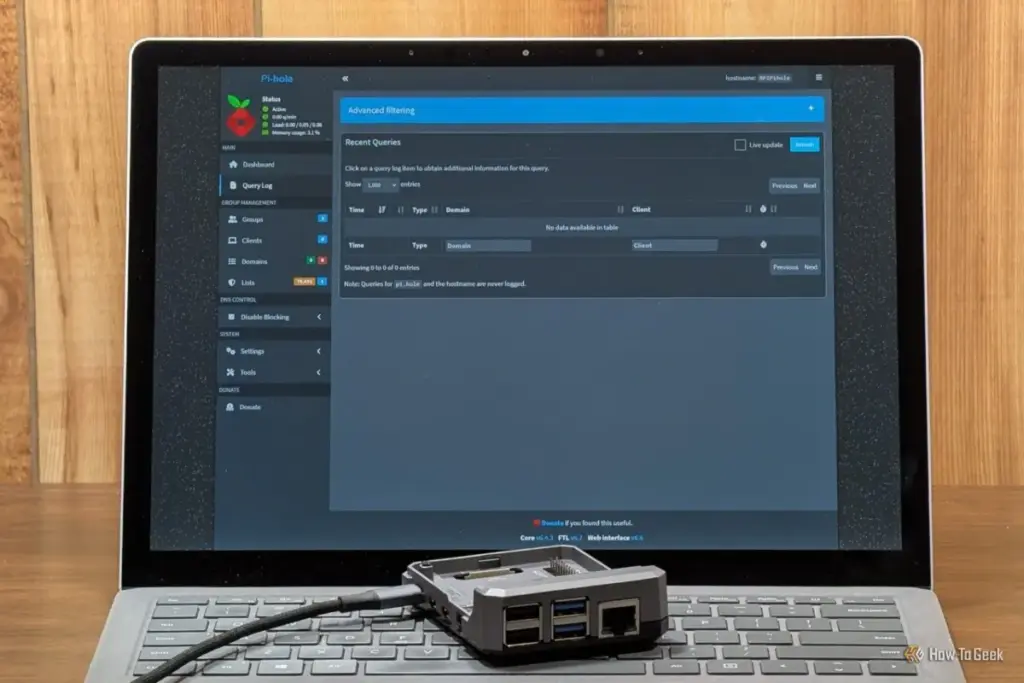
The Case for the "Dumb" Display
Given the escalating arms race between manufacturer surveillance and consumer privacy tools, some experts argue that the only way to truly secure a living room is to return to the concept of the "dumb" display. This involves a total and permanent disconnection of the television from the internet.
By never connecting the TV to Wi-Fi or Ethernet, the manufacturer’s ability to transmit collected data is severed. However, as the Gamers Nexus research suggests, even this is not a perfect solution. Some TVs are capable of storing collected data locally, waiting for a moment of connectivity—perhaps during a brief software update or a troubleshooting session—to dump a massive package of accumulated telemetry. To be effective, the disconnection must be absolute.
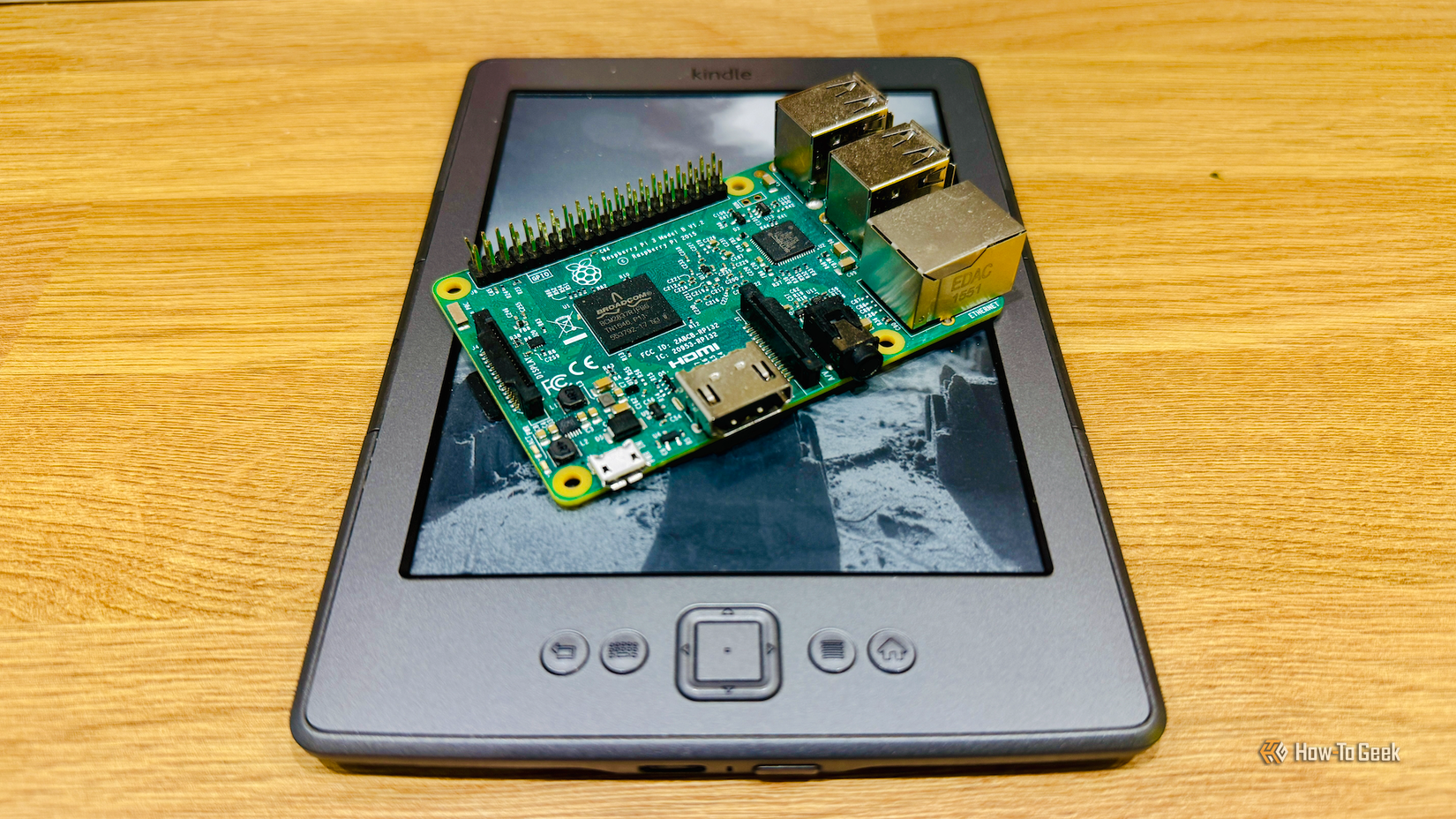
This approach, of course, strips the television of the features for which many consumers bought it. It requires the use of external devices that the user feels they can trust more than the TV itself. This might include a dedicated home theater PC, a gaming console, or a specialized media center like a Raspberry Pi running open-source software. While these devices also collect data, they often provide more transparent privacy controls than the opaque operating systems found in modern smart TVs.
Reclaiming the Living Room
The current state of the television market reflects a broader trend in the tech industry: the erosion of the boundary between a purchased product and a subscription service. The reason "dumb" TVs have largely vanished from store shelves is economic. The margins on hardware are incredibly thin, often to the point where budget TVs are sold at a loss. Manufacturers recoup these costs—and generate their primary profits—through the sale of user data and the placement of advertisements within the TV’s interface.
Consumers are currently trapped in a system where they must often trade their privacy for affordability. However, the growing body of research into smart TV spying is beginning to spark a broader conversation about digital rights in the home. There is an increasing call for manufacturers to offer high-quality displays that do not require an internet connection to function, or at the very least, to provide a clear, one-click "privacy mode" that disables all telemetry without breaking the hardware.
Until the industry shifts toward greater transparency, the burden of privacy remains on the individual. Whether through complex network configurations or the simple act of pulling the plug, the battle for the living room is no longer just about what we watch, but about who is watching us.
 Tech Tutorials & How-To Guides
The Self-Hosted Revolution: Leveraging Raspberry Pi for Professional and Personal Digital Sovereignty
In the rapidly evolving landscape of modern technology, the boundary between consumer-grade...
 Tech Tutorials & How-To Guides
Reliability Without the Premium Price: The Evolution of Affordable Multi-Tools for Modern Everyday Carry
The concept of "Everyday Carry," or EDC, has evolved from a niche...
 Tech Tutorials & How-To Guides
The Best Netflix Miniseries to Binge on a Sick Day: A Curated Guide to Recovery Viewing
There is a specific, universal rhythm to the onset of a seasonal...







