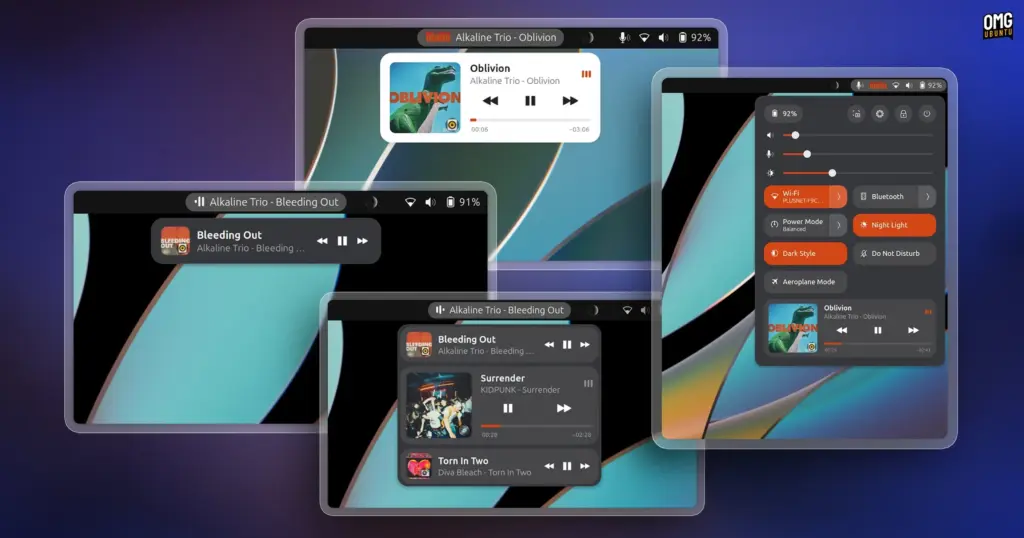
Managing multiple media feeds across modern operating systems often introduces unwanted background noise due to how indiscriminately MPRIS interfaces can broadcast media events. Modern web browsers, in particular, frequently expose media sessions for intrusive audio elements, video advertisements, and auto-playing clips embedded across web pages. If left unmanaged, these transient media streams could quickly flood the extension’s interface with useless entries. To maintain a clean and relevant overview, Now Playing Card incorporates a dedicated ignore list within its preference panel. Users can specify applications or media sources that should be barred from generating cards, ensuring that only deliberate, primary listening tools populate the applet.
In daily operation, the extension accommodates up to ten individual players simultaneously, a scale that necessitates certain design compromises. One noticeable characteristic of the interface is its typography scaling, where text within the applet cards appears somewhat smaller than the sizing found in GNOME’s native system menus. This tighter text scaling appears to be an intentional design measure by the developer, engineered specifically to ensure that the interface can fit numerous media players and dense metadata sets within the popup without forcing excessive, cumbersome scrolling.
From a software compatibility standpoint, Now Playing Card boasts broad support across the modern GNOME ecosystem, maintaining compatibility across GNOME Shell versions 45 through 51. This extensive version coverage ensures that the extension integrates seamlessly across several generations of Linux distributions, providing full operational support for setups running from Ubuntu 24.04 LTS through to Ubuntu 26.10.
For Linux users who routinely divide their audio attention across local media players, streaming services, and multi-tab browser sessions, Now Playing Card provides a refined, space-conscious alternative to default desktop media handling. The extension is open source and can be obtained directly through the official GNOME Extensions directory or inspected via its repository on GitHub, giving desktop enthusiasts a versatile tool for harmonizing multi-source audio workflows.
 Linux & Open Source Solutions
Canonical Unveils Official Ubuntu Desktop Images for RISC-V Ahead of Ubuntu 26.10
Installing a complete graphical Ubuntu desktop on 64-bit RISC-V hardware is poised...
 Linux & Open Source Solutions
Ubuntu 26.10 Introduces Restricted Media Codec Installation to App Center’s Add-Ons Hub
Ubuntu 26.10 has expanded the functionality of its modern App Center by...
 Linux & Open Source Solutions
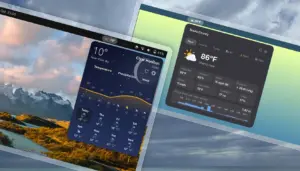
GNOME Shell Weather Extensions Bring Dynamic Visuals to the Desktop Panel
While dedicated desktop applications for checking the weather have long enjoyed a...