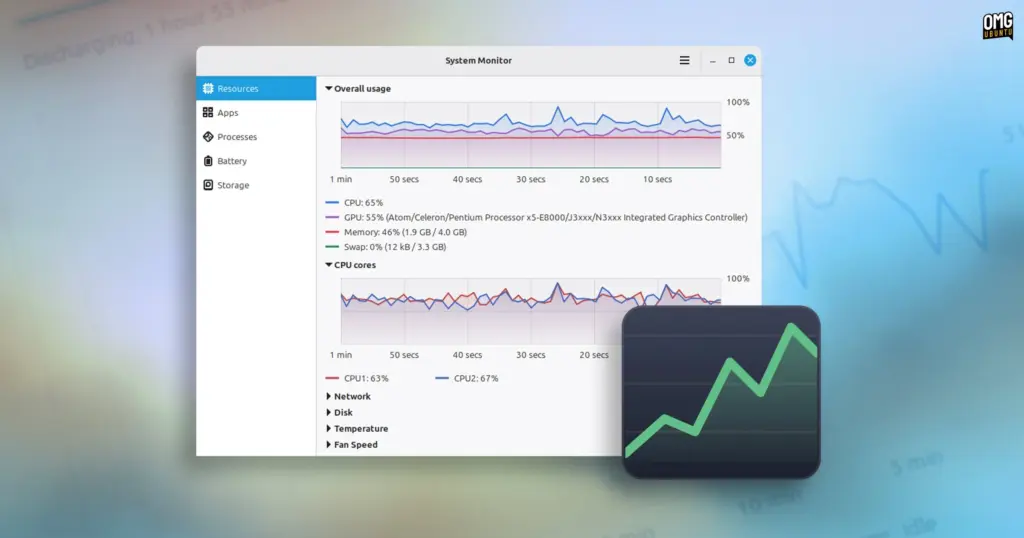
The upcoming release of Linux Mint 27, scheduled to make its public debut this December, is poised to bring a long-awaited modernization to one of the most fundamental administrative utilities in the operating system: the system monitor.
Known internally within its source repository and packaging metadata as Superlight, the newly developed application will be presented to end users simply as System Monitor. The utility represents an in-house effort by the Linux Mint development team to phase out the aging GNOME System Monitor that has served the distribution for years. By building a customized solution within the project’s broader application ecosystem, Linux Mint aims to deliver a modernized, unified diagnostic hub that integrates real-time hardware graphing, detailed process tracking, laptop battery telemetry, and interactive storage management into a single, cohesive desktop interface.
Although Superlight remains under active development ahead of the year-end distribution freeze, early iterations showcase an ambitious rethink of how day-to-day resource diagnostics should function across the Linux desktop. While features and interface refinements may continue to shift before the operating system reaches its stable milestone, the preview builds reveal an application that substantially broadens the scope of what users can inspect out of the box.
Inside Superlight: Unified Resource Tracking and Storage Intelligence
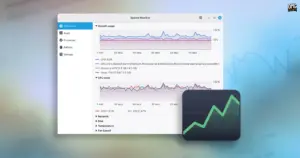
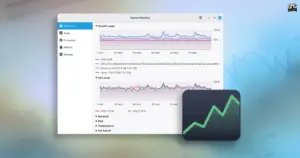
From the moment the application is launched, Superlight establishes a distinct operational rhythm by opening directly to its centralized Resources view. Rather than forcing users to navigate through separate tabs or segmented panels to deduce what component is throttling performance, the application places an overall usage graph prominently at the top of the window.
This consolidated dashboard plots CPU activity, GPU load, RAM utilization, and Swap consumption side-by-side across a continuous 60-second scrolling window. By unifying these primary metrics into an aggregated temporal overview, the tool allows desktop users to immediately identify bottlenecks. A sudden performance hiccup can be diagnosed in seconds, whether it stems from an unexpected compile job pinning the processor, graphical rendering saturation, or escalating memory consumption that threatens to push the machine into aggressive swap usage.
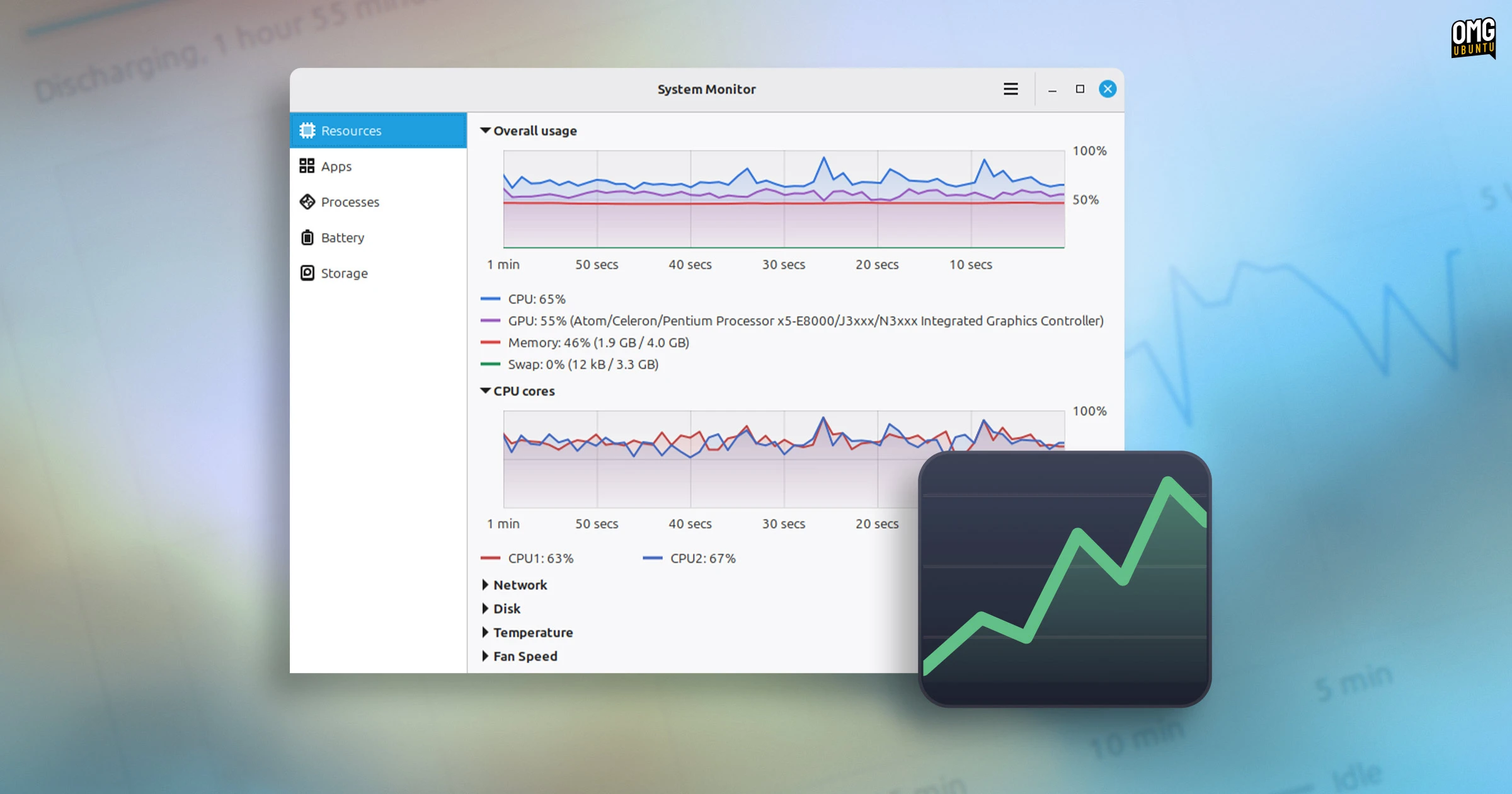
Beneath the unified monitor, Superlight provides a suite of modular, granular graphs tailored for deeper diagnostic inspections. Individual visualizers track multi-core CPU distribution, per-device network throughput, and real-time disk input/output activity. Hardware monitoring is further expanded through built-in support for platform sensor data, including physical system temperatures and cooling fan speeds.
To maintain clean desktop ergonomics, every graph in the resource stack is fully collapsible. When users collapse secondary graphs to focus exclusively on a specific metric, such as thermal throttling or storage read/write performance, the active visualizer automatically enlarges to fill the available canvas. This design accommodates power users debugging heavy computational workflows as well as casual desktop operators monitoring system health on compact laptop displays.
Beyond immediate processor and memory telemetry, the application revamps workflow tracking across two dedicated interfaces: an Apps view and a Processes view.
The Apps page focuses on high-level usability, grouping running software into identifiable, end-user-facing items alongside their associated process counts, aggregate CPU utilization, and overall system memory footprints. Users can freely interact with the presentation; clicking any column header re-sorts running tasks in ascending or descending order, while the columns themselves can be dragged and rearranged to accommodate individual administrative preferences.
 Linux & Open Source Solutions
Now Playing Card shows media info for multiple apps at a time
Modern computer usage rarely involves listening to a single continuous stream of...
 Linux & Open Source Solutions
Ubuntu 26.10 Beta Rescheduled to October 1 Following Unforeseen Infrastructure Issues
Canonical has officially postponed the public beta release of its upcoming operating...
 Linux & Open Source Solutions
Linux Mint Unveils "Superlight," a Modern System Monitor Slated for Version 27
Linux Mint is preparing a major refresh of its core software lineup...