
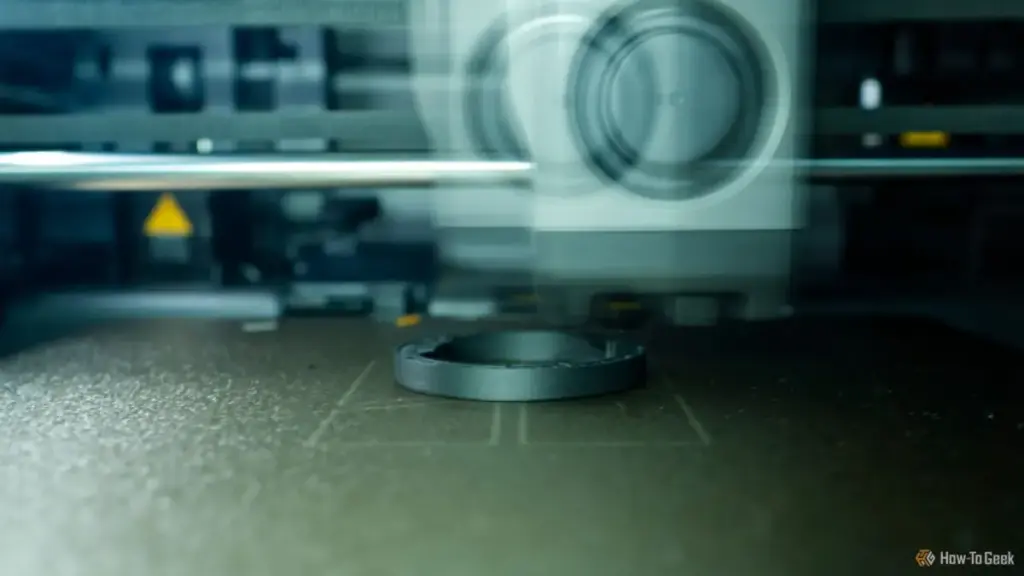
Butler and his wife tested this theory when she returned to gardening, hoping to create a series of unique planters for their saplings. To maximize the chances of success, Butler even utilized PETG (polyethylene terephthalate glycol), a material known for its superior moisture resistance compared to standard PLA plastic.
The results, however, were a stark reminder of the limitations of layer-based construction. Despite the use of water-resistant materials, the very nature of the 3D printing process—depositing discrete layers of plastic—creates microscopic gaps. Under the pressure of wet soil or standing water, these gaps act as a sieve. "The moisture leaked straight through the walls, and a leak test proved this for me," Butler recalled.
While there are methods to "waterproof" a 3D print—such as coating the interior with epoxy resin or using a plastic liner—Butler found that these extra steps negated the convenience and cost-effectiveness of the project. By the time he had accounted for the time, material, and post-processing required to make a planter functional, it was more efficient to simply purchase a factory-made alternative.
The Future: Bridging the Gap Between Hobby and Utility
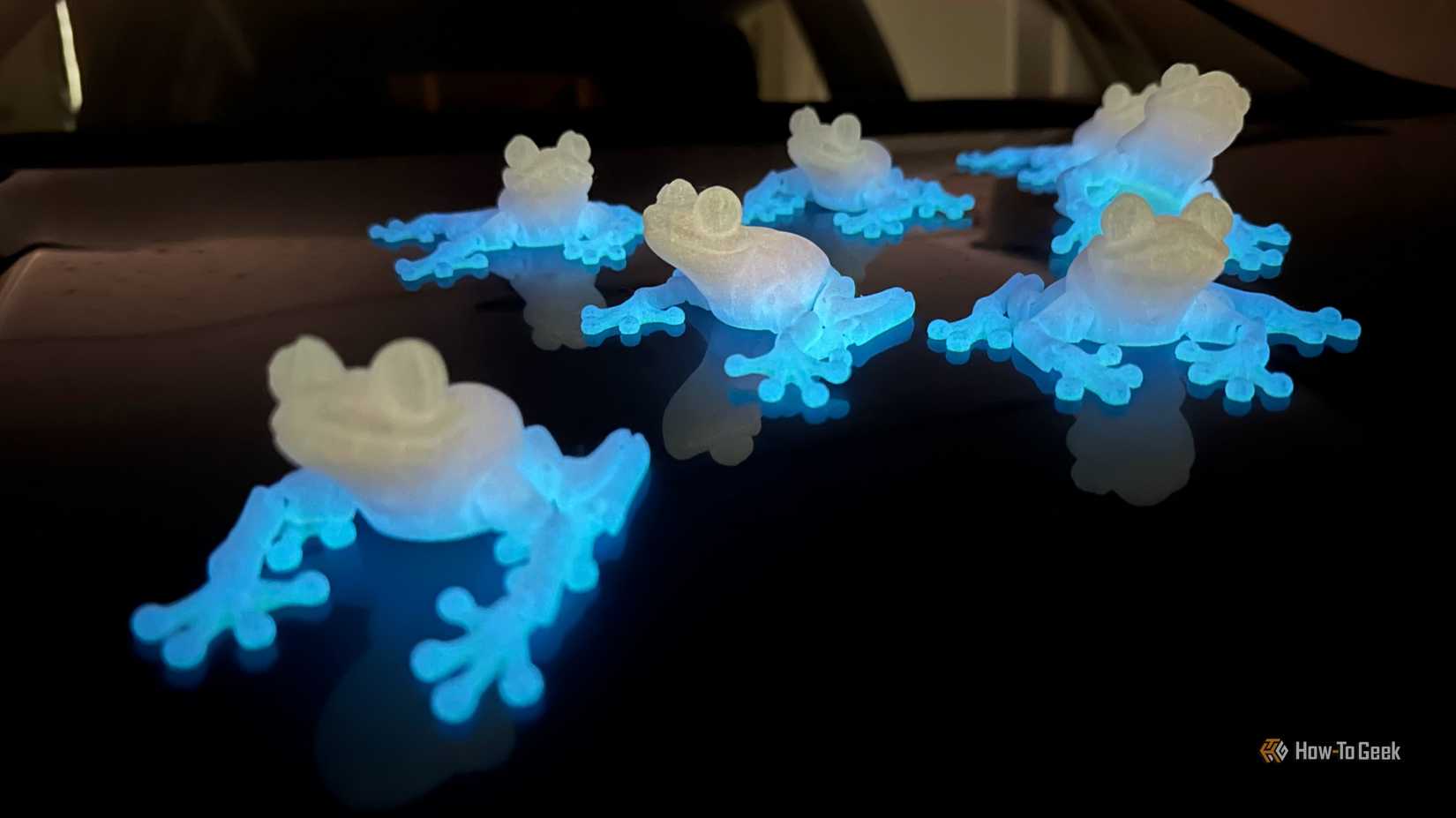
Despite his current list of grievances, Butler remains an advocate for the technology, acknowledging that his frustrations are primarily tied to the current limitations of FDM printing. He notes that the field is constantly evolving; what was impossible five years ago is now commonplace.
He points to the world of tabletop miniatures as a prime example of this shifting threshold. For years, Butler gave up on printing small-scale figures for gaming because FDM machines lacked the resolution to capture fine details. However, as the community develops new techniques and high-resolution nozzles, those boundaries are beginning to blur.
Furthermore, the rise of resin (SLA) printing offers a potential solution to many of the issues Butler currently faces with FDM. Resin printers use light to cure liquid photopolymers, resulting in objects that are naturally more detailed, less porous, and often require fewer intrusive supports. "Maybe it’s time to start looking at a resin printer," he mused, suggesting that his "never again" list might one day be rendered obsolete by the next generation of hardware.
Until that technological leap occurs, Butler remains content within his established "comfort zone," prioritizing reliability and ease of use over the frustration of fighting against the inherent physics of molten plastic. His journey reflects a broader trend in the maker community: a shift away from printing "anything and everything" toward a more curated approach that respects the strengths and weaknesses of the tools at hand.
 Tech Tutorials & How-To Guides
The Green Power Revolution: How Ryobi’s Battery Ecosystem Is Fueling a New Wave of DIY Innovation
For decades, the world of power tools was defined by proprietary restrictions...
 Tech Tutorials & How-To Guides
Unlocking the Hidden Diagnostic Power of Amazon Fire TV: A Deep Dive into Developer Tools and System Transparency
The Amazon Fire TV ecosystem has evolved from a simple portal for...
 Tech Tutorials & How-To Guides
The End of the Shutdown Era: Why Powering Down Your PC Every Night Is No Longer Necessary
For those who grew up navigating the digital landscape of the 1990s,...







