For many technology enthusiasts, the allure of 3D printing lies in its promise of infinite creativity. The ability to transform a digital file into a physical object from the comfort of a home office remains one of the most significant milestones in the democratization of manufacturing. However, as the novelty of the technology matures into a long-term hobby or profession, the initial "magic" often gives way to a more pragmatic understanding of the medium’s inherent limitations.
Sydney Butler, a veteran technology writer and system builder with over twenty years of experience in the field, recently reflected on his journey through the evolving landscape of additive manufacturing. Butler’s history with 3D printing began approximately ten years ago, long before the current era of affordable, "plug-and-play" consumer machines. At the time, his entry into the world of 3D fabrication was facilitated by his role in a technology research division at a local university. In those early days, the high cost of entry meant that personal ownership of a 3D printer was a distant dream for most; instead, Butler honed his skills using industrial-grade equipment on his employer’s time.
A decade later, the landscape has shifted dramatically. Butler now maintains a small "print farm" within his home, having logged thousands of hours of printing time across various platforms. Despite his extensive experience, he maintains the humble self-classification of an "amateur"—a tinkerer who enjoys the process of trial and error rather than a professional industrial designer. Yet, even within this experimental framework, ten years of troubleshooting have led to a definitive list of projects and materials that he vows never to revisit.
His experiences serve as a cautionary tale for both newcomers and seasoned makers, highlighting the reality that just because something can be printed does not mean it should be.
The Evolution of Structural Supports: The Case for the "Tree"
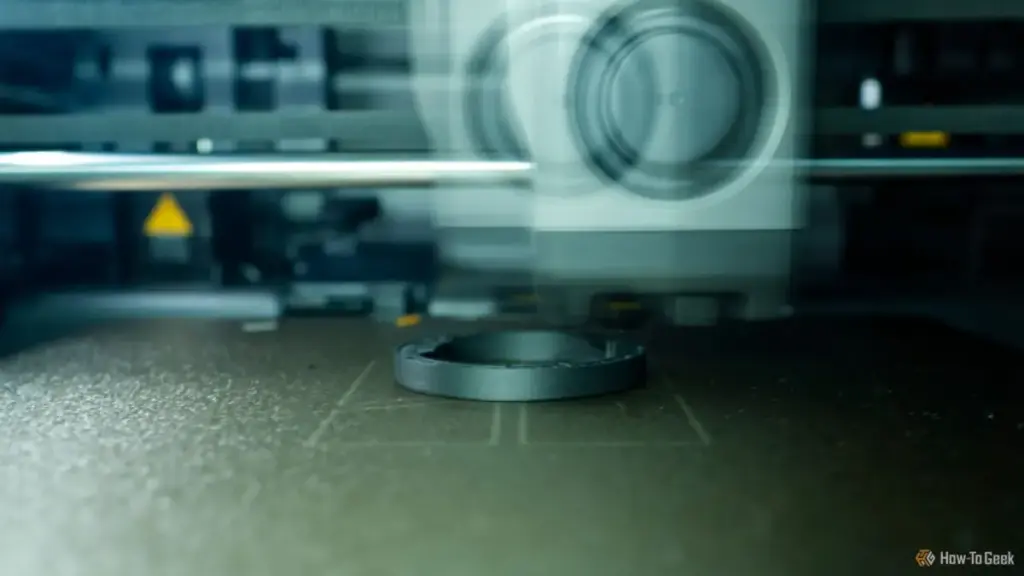
One of the most persistent challenges in Fused Deposition Modeling (FDM)—the most common type of consumer 3D printing—is the law of gravity. Because these machines build objects by extruding molten plastic layer by layer, they cannot easily print features that "hang" in mid-air. To solve this, "slicer" software generates sacrificial support structures that hold up these overhangs until the plastic cools and hardens.
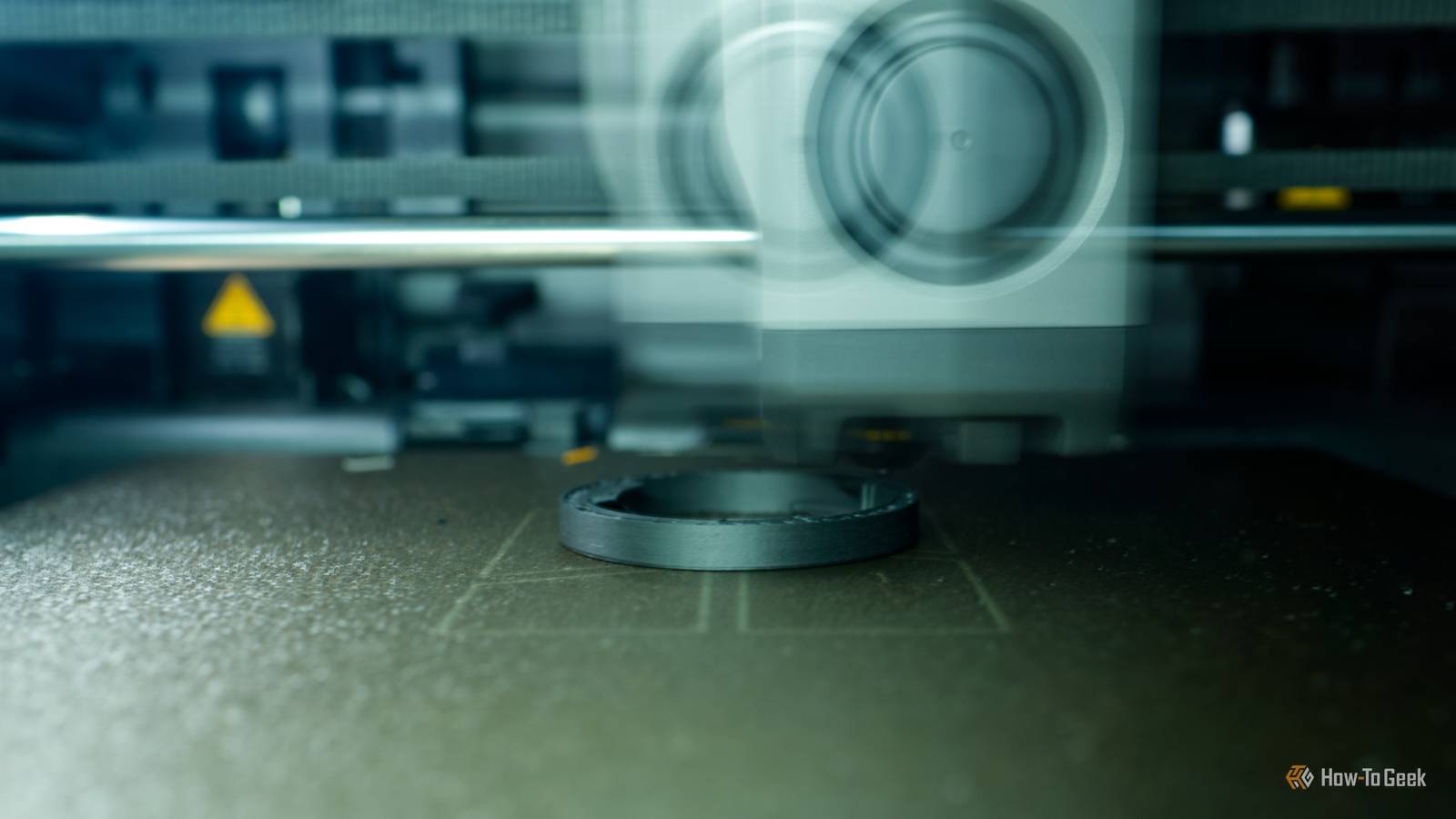
Broadly speaking, the 3D printing community divides models into two categories: "print-in-place" designs, which are engineered to avoid steep angles and require no extra material, and everything else. For the latter, the choice of support structure can make or break a project.
For Butler, the days of struggling with traditional, blocky support patterns are over. He has officially transitioned into what he calls a "3D-printing forest elf," exclusively utilizing "tree" supports. Unlike traditional supports that create dense, accordion-like walls of plastic, tree supports grow organic, branching structures that reach up to touch the model only where necessary.
 Tech Tutorials & How-To Guides
Beyond the Cloud: Why a Shift to Offline Password Management Is Becoming a Necessity for the Security-Conscious
In the modern digital landscape, the password manager has transitioned from a...
 Tech Tutorials & How-To Guides
Reliability Without the Premium Price: The Evolution of Affordable Multi-Tools for Modern Everyday Carry
The concept of "Everyday Carry," or EDC, has evolved from a niche...
 Tech Tutorials & How-To Guides
Google Transitions Beyond Chromebooks: A Deep Look at the New Googlebook OS and Its Enhanced Local File Management
The landscape of portable computing has undergone a seismic shift with the...