
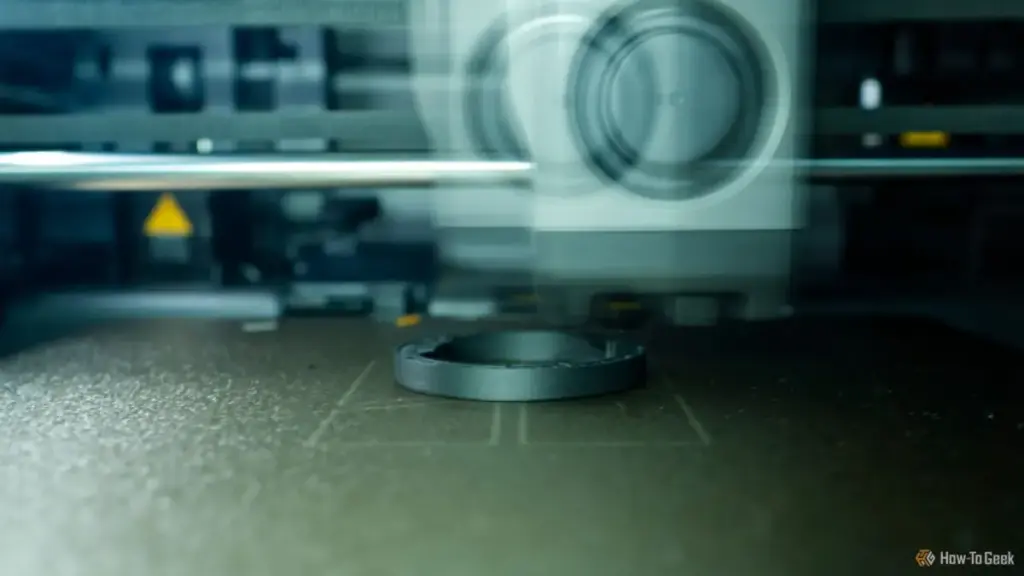
The rationale for this exclusivity is rooted in the "post-processing" phase of printing—the often-tedious task of removing supports once the print is finished. "I have thrown away too many models where other traditional support patterns have either fused with the model, making it too much hassle to finish, or are just too darn difficult to get off," Butler explained. Traditional supports often leave jagged scars or "pockmarks" on the surface of the print, requiring hours of sanding and filing. In contrast, tree supports are designed to snap away cleanly, often leaving the surface of the model pristine.
For Butler, the efficiency of tree supports—using less material and offering a significantly higher success rate during removal—has made them a non-negotiable standard. If a model’s geometry is so complex that it cannot be stabilized by tree algorithms, he simply chooses not to print it.
The Abrasive Reality of Glow-in-the-Dark Filaments
In the pursuit of visual flair, many hobbyists are drawn to exotic filaments, with glow-in-the-dark options being among the most popular. The idea of a desk toy or a functional item that illuminates the room after the lights go out is undeniably appealing. However, the technical cost of achieving this effect is, in Butler’s view, far too high.
The phosphorescence in these filaments is typically achieved by embedding rough, abrasive minerals, such as strontium aluminate, into the plastic. While these minerals effectively catch and store light, they act like sandpaper on the internal components of a 3D printer. Specifically, the standard brass nozzles used in most consumer machines are no match for these materials. Butler notes that a single one-kilogram roll of glow-in-the-dark filament is often enough to wear down a brass nozzle to the point of failure, necessitating a hardware change.

While brass nozzles are inexpensive and relatively easy to replace, Butler argues that the aesthetic payoff rarely justifies the maintenance. Due to the translucent nature of the base plastic required to let the glow-in-the-dark minerals function, the models often look "muddy" or lack crisp definition when viewed in daylight.
Furthermore, the technical execution of a "perfect" glowing print is a delicate balancing act. To achieve a bright, long-lasting glow, the user must increase the "infill"—the internal structure of the print. However, more infill means higher material costs and a greater risk of the light source failing to penetrate the deeper layers of the plastic to "charge" the minerals. When combined with a higher frequency of nozzle jams and extrusion issues, Butler has concluded that the novelty of a glowing figurine is not worth the mechanical headache.
The Porosity Problem: Why 3D-Printed Vases Often Fail
The third category on Butler’s "never again" list involves items intended to hold liquids, such as vases and planters. On the surface, 3D printing your own garden accessories seems like the perfect use for the technology. Store-bought planters are often either aesthetically bland or prohibitively expensive, leading many makers to believe they can create superior, custom versions at home.
 Tech Tutorials & How-To Guides
Netflix Bolsters November Lineup with Highly Anticipated Financial Dramas and Iconic Television Classics
As the penultimate month of 2026 approaches its final stretch, Netflix has...
 Tech Tutorials & How-To Guides
Beyond the Drill: How Ryobi’s ONE+ Ecosystem is Redefining the Modern Home and Workshop
For decades, the image of a cordless power tool was tethered strictly...
 Tech Tutorials & How-To Guides
Netflix Expands November Catalog With a Diverse Mix of Licensed Hits and Psychological Thrillers
As the autumn chill settles in and the holiday season approaches, the...







