
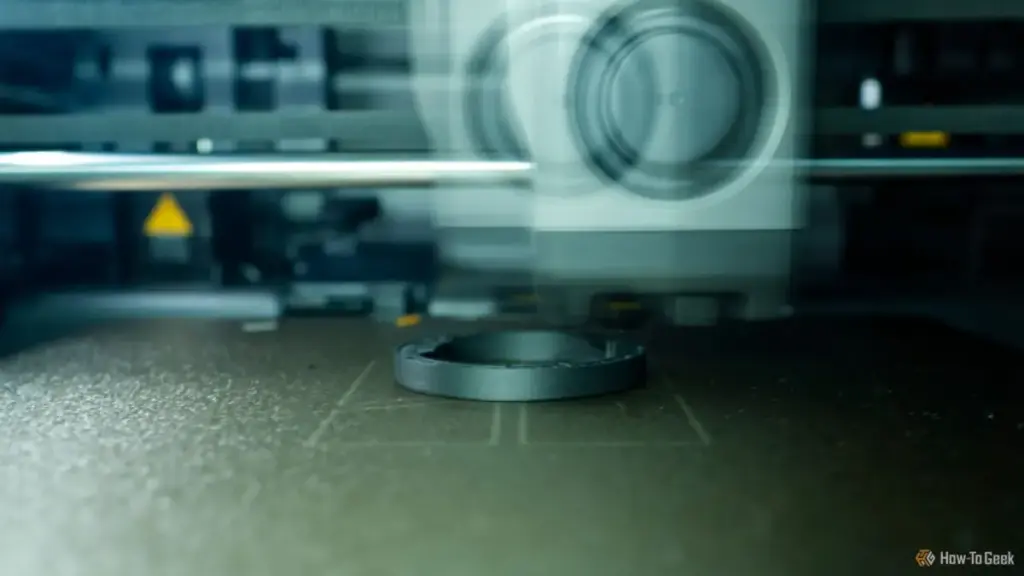
For many technology enthusiasts, the allure of 3D printing lies in its promise of infinite creativity. The ability to transform a digital file into a physical object from the comfort of a home office remains one of the most significant milestones in the democratization of manufacturing. However, as the novelty of the technology matures into a long-term hobby or profession, the initial "magic" often gives way to a more pragmatic understanding of the medium’s inherent limitations.
Sydney Butler, a veteran technology writer and system builder with over twenty years of experience in the field, recently reflected on his journey through the evolving landscape of additive manufacturing. Butler’s history with 3D printing began approximately ten years ago, long before the current era of affordable, "plug-and-play" consumer machines. At the time, his entry into the world of 3D fabrication was facilitated by his role in a technology research division at a local university. In those early days, the high cost of entry meant that personal ownership of a 3D printer was a distant dream for most; instead, Butler honed his skills using industrial-grade equipment on his employer’s time.
A decade later, the landscape has shifted dramatically. Butler now maintains a small "print farm" within his home, having logged thousands of hours of printing time across various platforms. Despite his extensive experience, he maintains the humble self-classification of an "amateur"—a tinkerer who enjoys the process of trial and error rather than a professional industrial designer. Yet, even within this experimental framework, ten years of troubleshooting have led to a definitive list of projects and materials that he vows never to revisit.
His experiences serve as a cautionary tale for both newcomers and seasoned makers, highlighting the reality that just because something can be printed does not mean it should be.
The Evolution of Structural Supports: The Case for the "Tree"
One of the most persistent challenges in Fused Deposition Modeling (FDM)—the most common type of consumer 3D printing—is the law of gravity. Because these machines build objects by extruding molten plastic layer by layer, they cannot easily print features that "hang" in mid-air. To solve this, "slicer" software generates sacrificial support structures that hold up these overhangs until the plastic cools and hardens.
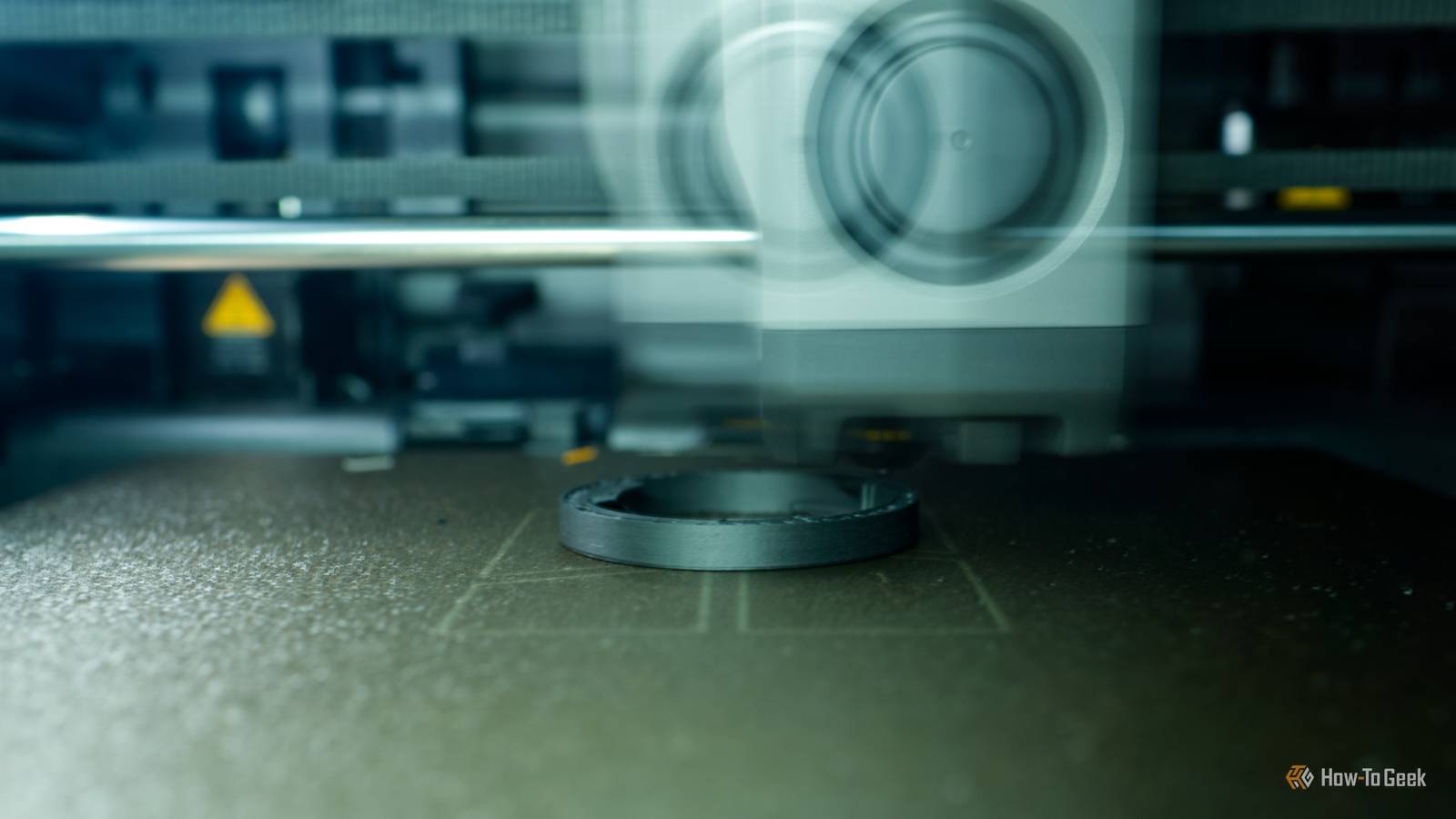
Broadly speaking, the 3D printing community divides models into two categories: "print-in-place" designs, which are engineered to avoid steep angles and require no extra material, and everything else. For the latter, the choice of support structure can make or break a project.
For Butler, the days of struggling with traditional, blocky support patterns are over. He has officially transitioned into what he calls a "3D-printing forest elf," exclusively utilizing "tree" supports. Unlike traditional supports that create dense, accordion-like walls of plastic, tree supports grow organic, branching structures that reach up to touch the model only where necessary.
The rationale for this exclusivity is rooted in the "post-processing" phase of printing—the often-tedious task of removing supports once the print is finished. "I have thrown away too many models where other traditional support patterns have either fused with the model, making it too much hassle to finish, or are just too darn difficult to get off," Butler explained. Traditional supports often leave jagged scars or "pockmarks" on the surface of the print, requiring hours of sanding and filing. In contrast, tree supports are designed to snap away cleanly, often leaving the surface of the model pristine.
For Butler, the efficiency of tree supports—using less material and offering a significantly higher success rate during removal—has made them a non-negotiable standard. If a model’s geometry is so complex that it cannot be stabilized by tree algorithms, he simply chooses not to print it.
The Abrasive Reality of Glow-in-the-Dark Filaments
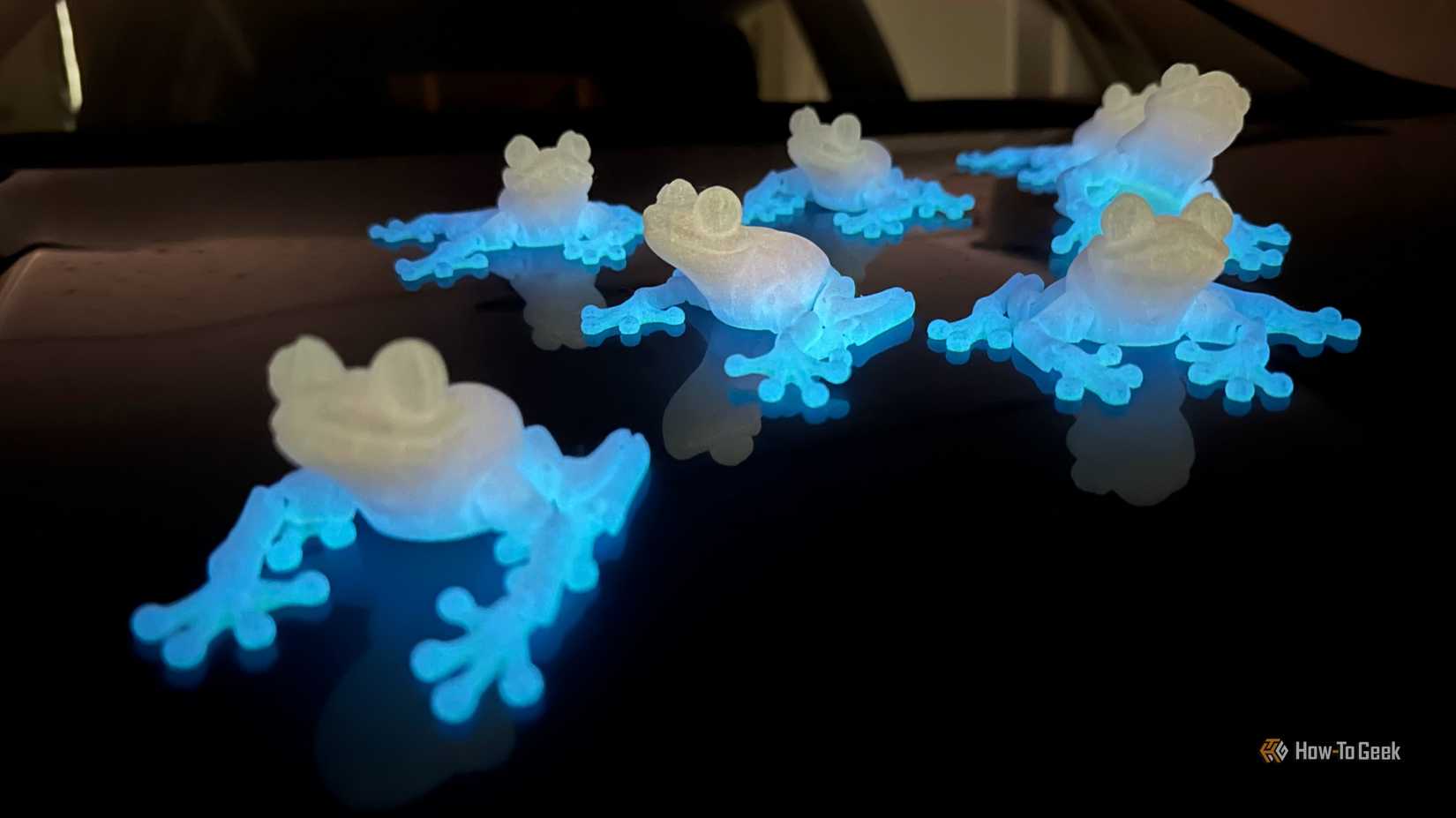
In the pursuit of visual flair, many hobbyists are drawn to exotic filaments, with glow-in-the-dark options being among the most popular. The idea of a desk toy or a functional item that illuminates the room after the lights go out is undeniably appealing. However, the technical cost of achieving this effect is, in Butler’s view, far too high.
The phosphorescence in these filaments is typically achieved by embedding rough, abrasive minerals, such as strontium aluminate, into the plastic. While these minerals effectively catch and store light, they act like sandpaper on the internal components of a 3D printer. Specifically, the standard brass nozzles used in most consumer machines are no match for these materials. Butler notes that a single one-kilogram roll of glow-in-the-dark filament is often enough to wear down a brass nozzle to the point of failure, necessitating a hardware change.

While brass nozzles are inexpensive and relatively easy to replace, Butler argues that the aesthetic payoff rarely justifies the maintenance. Due to the translucent nature of the base plastic required to let the glow-in-the-dark minerals function, the models often look "muddy" or lack crisp definition when viewed in daylight.
Furthermore, the technical execution of a "perfect" glowing print is a delicate balancing act. To achieve a bright, long-lasting glow, the user must increase the "infill"—the internal structure of the print. However, more infill means higher material costs and a greater risk of the light source failing to penetrate the deeper layers of the plastic to "charge" the minerals. When combined with a higher frequency of nozzle jams and extrusion issues, Butler has concluded that the novelty of a glowing figurine is not worth the mechanical headache.
The Porosity Problem: Why 3D-Printed Vases Often Fail
The third category on Butler’s "never again" list involves items intended to hold liquids, such as vases and planters. On the surface, 3D printing your own garden accessories seems like the perfect use for the technology. Store-bought planters are often either aesthetically bland or prohibitively expensive, leading many makers to believe they can create superior, custom versions at home.
Butler and his wife tested this theory when she returned to gardening, hoping to create a series of unique planters for their saplings. To maximize the chances of success, Butler even utilized PETG (polyethylene terephthalate glycol), a material known for its superior moisture resistance compared to standard PLA plastic.
The results, however, were a stark reminder of the limitations of layer-based construction. Despite the use of water-resistant materials, the very nature of the 3D printing process—depositing discrete layers of plastic—creates microscopic gaps. Under the pressure of wet soil or standing water, these gaps act as a sieve. "The moisture leaked straight through the walls, and a leak test proved this for me," Butler recalled.
While there are methods to "waterproof" a 3D print—such as coating the interior with epoxy resin or using a plastic liner—Butler found that these extra steps negated the convenience and cost-effectiveness of the project. By the time he had accounted for the time, material, and post-processing required to make a planter functional, it was more efficient to simply purchase a factory-made alternative.
The Future: Bridging the Gap Between Hobby and Utility
Despite his current list of grievances, Butler remains an advocate for the technology, acknowledging that his frustrations are primarily tied to the current limitations of FDM printing. He notes that the field is constantly evolving; what was impossible five years ago is now commonplace.
He points to the world of tabletop miniatures as a prime example of this shifting threshold. For years, Butler gave up on printing small-scale figures for gaming because FDM machines lacked the resolution to capture fine details. However, as the community develops new techniques and high-resolution nozzles, those boundaries are beginning to blur.
Furthermore, the rise of resin (SLA) printing offers a potential solution to many of the issues Butler currently faces with FDM. Resin printers use light to cure liquid photopolymers, resulting in objects that are naturally more detailed, less porous, and often require fewer intrusive supports. "Maybe it’s time to start looking at a resin printer," he mused, suggesting that his "never again" list might one day be rendered obsolete by the next generation of hardware.
Until that technological leap occurs, Butler remains content within his established "comfort zone," prioritizing reliability and ease of use over the frustration of fighting against the inherent physics of molten plastic. His journey reflects a broader trend in the maker community: a shift away from printing "anything and everything" toward a more curated approach that respects the strengths and weaknesses of the tools at hand.
 Tech Tutorials & How-To Guides
Protecting Your Power: The Critical Importance of Proper Winter Storage for Ryobi Tool Batteries
As the autumn leaves finish falling and the first signs of frost...
 Tech Tutorials & How-To Guides
The Power of Automation: Why Home Assistant Users Are Rediscovering These Underutilized Features
The landscape of the modern smart home has shifted dramatically over the...
 Tech Tutorials & How-To Guides
Thrills and Psychological Chills: Netflix Bolsters October Lineup With ‘Unabomber’ and Genre Classics
As the calendar turns to the first full week of October, the...







