

For the past several years, IBM has maintained a relentless pace in its quest to transform quantum computing from an experimental endeavor into a reliable, large-scale computational tool. The company has consistently hit its milestones, detailing a sophisticated strategy to reach a fault-tolerant quantum system by 2029. This journey has seen significant breakthroughs in error correction, the demonstration of quantum advantage, and the increasingly seamless integration of quantum processors with classical high-performance computing (HPC) environments. At the IBM Quantum Developer Conference 2026 in Chicago, the technology giant provided the latest evidence that its roadmap is not just on track, but gaining momentum through a series of hardware and software advancements centered on its Nighthawk processor family and a modular infrastructure designed for massive scale.
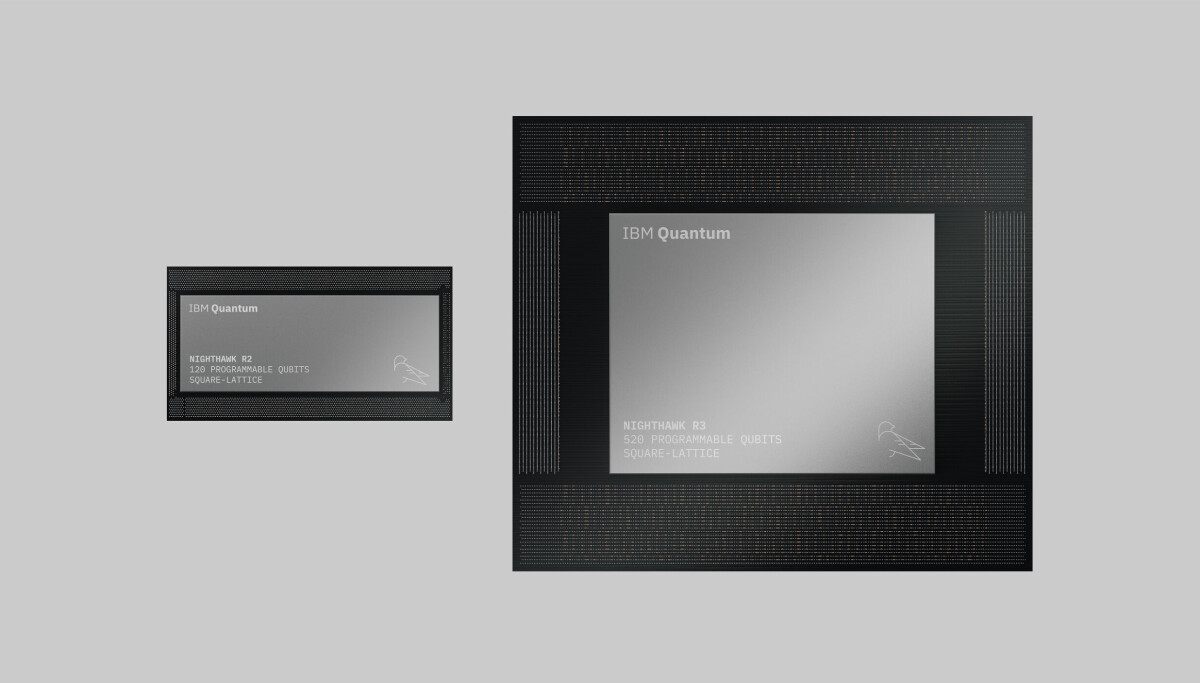
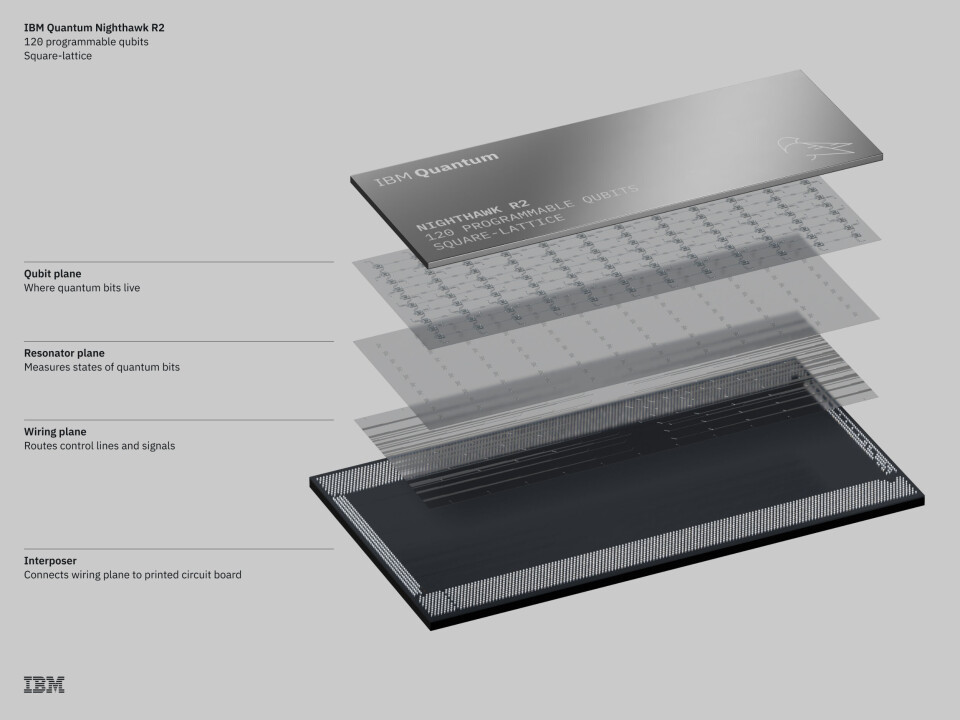
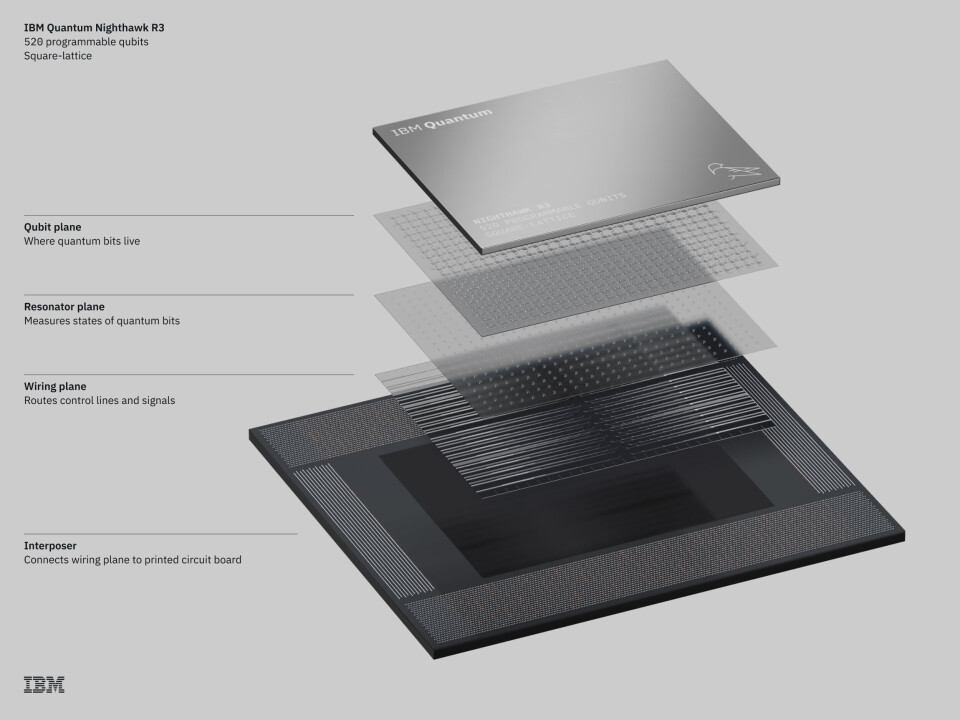
Central to this progress is the evolution of the Nighthawk quantum processing unit (QPU). A year ago, IBM introduced the first Nighthawk, a successor to its Heron processor. Nighthawk marked a pivotal architectural shift, moving away from the earlier "heavy-hex" topology toward a square-lattice architecture. This change was not merely aesthetic; the square-lattice design was engineered to provide superior qubit connectivity, better management of crosstalk, and improved performance in circuit depth. These are all critical factors as researchers move from simple experiments to complex, multi-step algorithms that require qubits to interact frequently and reliably.
The momentum continued through September with the unveiling of Nighthawk r2. While it maintains the 120-qubit count of its predecessor, the r2 iteration introduced a sophisticated on-chip reset system that fundamentally changed the throughput capabilities of the hardware. In the quantum realm, speed is often overshadowed by qubit count, but for practical applications, the ability to run millions or even billions of samples is essential. IBM executives have emphasized that speed is a primary pillar of performance alongside scale and quality. Many emerging quantum applications require circuits capable of executing thousands of operations on 100 or more qubits, necessitating a system that can handle high-volume workloads without becoming a bottleneck.
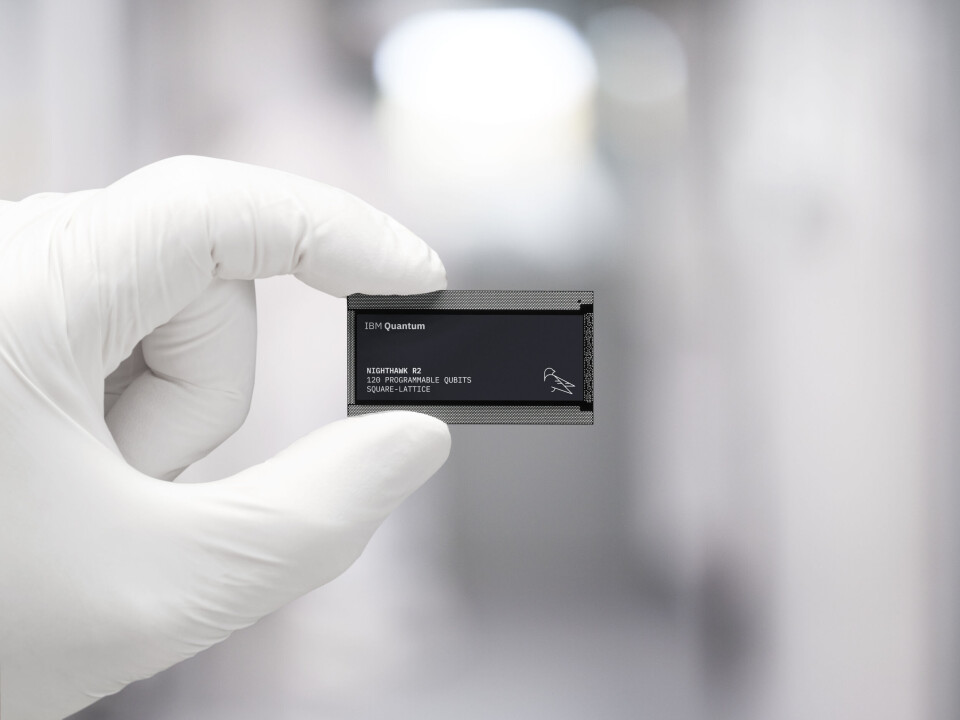
The innovation in Nighthawk r2 addresses this through a physical hardware addition. Oliver Dial, IBM Fellow and senior vice president of quantum systems, explained that each programmable qubit on the r2 chip is paired with an additional physical qubit dedicated to the reset process. This "glue-on" qubit allows the system to rapidly extract energy from a programmable qubit, returning it to its ground state almost instantaneously. This capability has a profound impact on throughput. Since its release in September, Nighthawk r2 has already executed more than 34 billion circuits. Dial noted that during its first three weeks of availability, users ran 8 billion circuits, and the chip has demonstrated the ability to run 7,500 gates at speeds 19 times faster than the original Nighthawk r1. This reset capability allows the system to push throughput toward the threshold of 100,000 circuits per second, a level of performance that significantly lowers the time and cost associated with complex scientific computations.
Looking toward 2027, IBM has already outlined the specifications for Nighthawk r3. This next-generation chip represents a major leap in scale, expected to feature more than 520 qubits while supporting up to 10,000 quantum operations. While r3 will retain the successful square-lattice connectivity, its most significant feature will be the inclusion of 10 chip-to-chip long-range couplers, or l-couplers. These interconnects are the linchpin of IBM’s modular strategy. By using l-couplers to join two Nighthawk r3 processors, IBM aims to create a single, unified 1,040-qubit system. This modular approach allows the company to build larger, more complex systems by interconnecting manageable modules rather than attempting to manufacture a single, monolithic chip of unwieldy size and complexity.
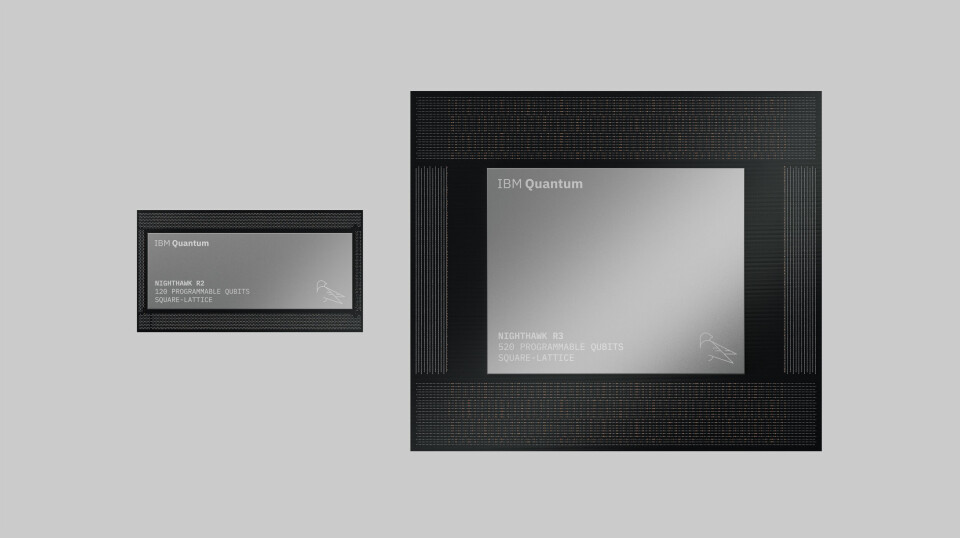
The success of this modular vision depends heavily on the fidelity of these interconnects. IBM has already demonstrated promising results with Nighthawk r1, achieving a 99.3 percent quantum state transfer fidelity using four l-couplers. The goal is to push this figure to 99.9 percent. Currently, at IBM’s Quantum Data Center in Poughkeepsie, New York, engineers are testing a system that joins two Nighthawk r2 processors located in two separate refrigerators using four l-couplers. This experiment is a vital precursor to the multi-module systems of the future, proving that quantum information can be shared across modular boundaries with minimal loss of integrity.
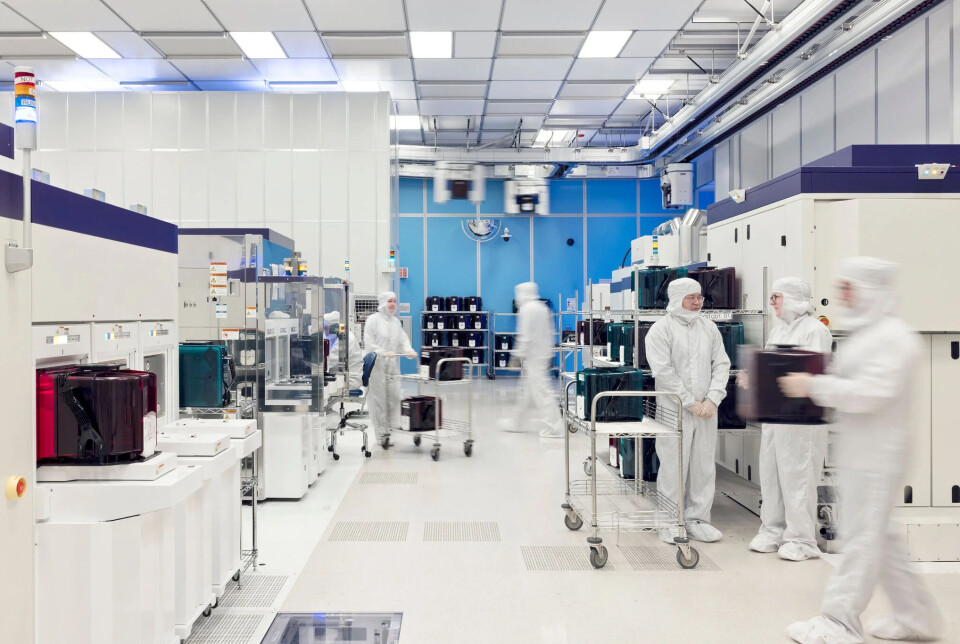
The physical production of these advanced chips is supported by a robust domestic manufacturing ecosystem. Nighthawk r3 will be produced at the Anderon 300-millimeter quantum superconducting wafer foundry in Albany, New York. Anderon, an IBM subsidiary, has significantly expanded its operations following a substantial infusion of capital. In May, the U.S. Commerce Department awarded the facility $1 billion through the federal CHIPS Act, a figure matched by a $1 billion investment from IBM. This $2 billion total investment underscores the strategic importance of quantum manufacturing. Furthermore, the broader ecosystem is seeing similar support, with Global Foundries receiving $375 million from the Commerce Department to bolster its own quantum foundry capabilities.
These hardware milestones are all stepping stones toward "Starling," the fault-tolerant system IBM expects to launch in 2029. Starling is designed to feature 200 logical qubits capable of executing 100 million quantum operations. The distinction between physical and logical qubits is crucial; in a fault-tolerant system, multiple physical qubits work together to form a single logical qubit that can correct its own errors. To make Starling a reality, IBM is leaning on bivariate bicycle codes, a specific class of quantum low-density parity-check (qLDPC) error correction codes. According to Dial, these codes are more than 10 times more efficient than traditional alternatives like surface codes, significantly reducing the number of physical qubits required to sustain a logical qubit.
The path to Starling and its eventual successor, Blue Jay (slated for 2033 or later), relies on a series of technological demonstrations. These include refined device physics for higher connectivity, improved packaging to handle a greater volume of signals, real-time decoders to catch and correct errors as they occur, and modular cryogenic systems that can scale to meet the cooling demands of massive QPU arrays. IBM has already unveiled a modular and scalable cryogenic cooling system, which will be essential for the Starling architecture. Dial noted that the company must eventually scale this cooling technology to a capacity roughly three times greater than what is currently possible.
While the hardware continues to evolve, IBM is also focused on the "quantum-centric supercomputing" paradigm, which emphasizes the tight integration of quantum and classical resources. This approach recognizes that quantum computers will not work in isolation but as accelerators within a broader HPC framework. Recent demonstrations have highlighted this synergy. Research papers have already documented three instances of quantum advantage achieved on Heron chips, and partnerships with organizations like the RIKEN Institute in Japan and the Cleveland Clinic have shown the potential for hybrid quantum-classical computing in scientific research, such as simulating large proteins.
To facilitate this integration for developers, IBM has introduced a managed environment on its Quantum Platform that brings classical HPC and quantum computing into a single workspace. This allows organizations to provision various classes of compute, from standard CPUs to high-end GPUs, and run them alongside quantum executions. This environment supports persistent workflows and offers a unified billing system for both resource types. Jerry Chow, IBM Fellow and chief technology officer of quantum-centric supercomputing, explained that this setup allows researchers to integrate quantum workflows with classical resources ranging from local laptops to the world’s most powerful supercomputers.
A prime example of this co-design philosophy is the recent collaboration involving IBM, AMD, and Oak Ridge National Laboratory. The project utilized IBM’s Nighthawk r2 and Oak Ridge’s Umbra supercomputer—which is powered by AMD Epyc processors and Instinct GPUs—to create a unified platform for quantum-classical error correction. By housing these resources in the same data center in Poughkeepsie, IBM is reducing latency and creating a blueprint for how future quantum-centric data centers will operate.
As IBM moves closer to its 2029 goal, the focus remains on the practicality and modularity of its design. By building a platform that uses the same size and complexity of modules already in production today and joining them together, the company believes it has the most viable path to large-scale fault tolerance. The progress seen with Nighthawk r2’s reset speeds, the upcoming scale of Nighthawk r3, and the successful testing of l-couplers suggests that the era of utility-scale quantum computing is steadily approaching, moving out of the lab and into the realm of high-speed, reliable industrial application.
 Enterprise Tech & Infrastructure
AMD Extends Lead in Datacenter Dominance with Launch of Sixth-Generation "Venice" Epyc Processors
The trajectory of the modern datacenter has, for the past decade, been...
 Enterprise Tech & Infrastructure
Understanding the Architecture of Modern Storage: Decoding the Relationship Between Flash Technology and Solid-State Drives
In the rapidly evolving landscape of data storage, the terminology used to...
 Enterprise Tech & Infrastructure
Upscale AI Challenges Nvidia’s Dominance with SkyHammer Scale-Up Fabric
For decades, the architecture of high-performance computing has been defined by a...







