

While the hardware continues to evolve, IBM is also focused on the "quantum-centric supercomputing" paradigm, which emphasizes the tight integration of quantum and classical resources. This approach recognizes that quantum computers will not work in isolation but as accelerators within a broader HPC framework. Recent demonstrations have highlighted this synergy. Research papers have already documented three instances of quantum advantage achieved on Heron chips, and partnerships with organizations like the RIKEN Institute in Japan and the Cleveland Clinic have shown the potential for hybrid quantum-classical computing in scientific research, such as simulating large proteins.
To facilitate this integration for developers, IBM has introduced a managed environment on its Quantum Platform that brings classical HPC and quantum computing into a single workspace. This allows organizations to provision various classes of compute, from standard CPUs to high-end GPUs, and run them alongside quantum executions. This environment supports persistent workflows and offers a unified billing system for both resource types. Jerry Chow, IBM Fellow and chief technology officer of quantum-centric supercomputing, explained that this setup allows researchers to integrate quantum workflows with classical resources ranging from local laptops to the world’s most powerful supercomputers.
A prime example of this co-design philosophy is the recent collaboration involving IBM, AMD, and Oak Ridge National Laboratory. The project utilized IBM’s Nighthawk r2 and Oak Ridge’s Umbra supercomputer—which is powered by AMD Epyc processors and Instinct GPUs—to create a unified platform for quantum-classical error correction. By housing these resources in the same data center in Poughkeepsie, IBM is reducing latency and creating a blueprint for how future quantum-centric data centers will operate.
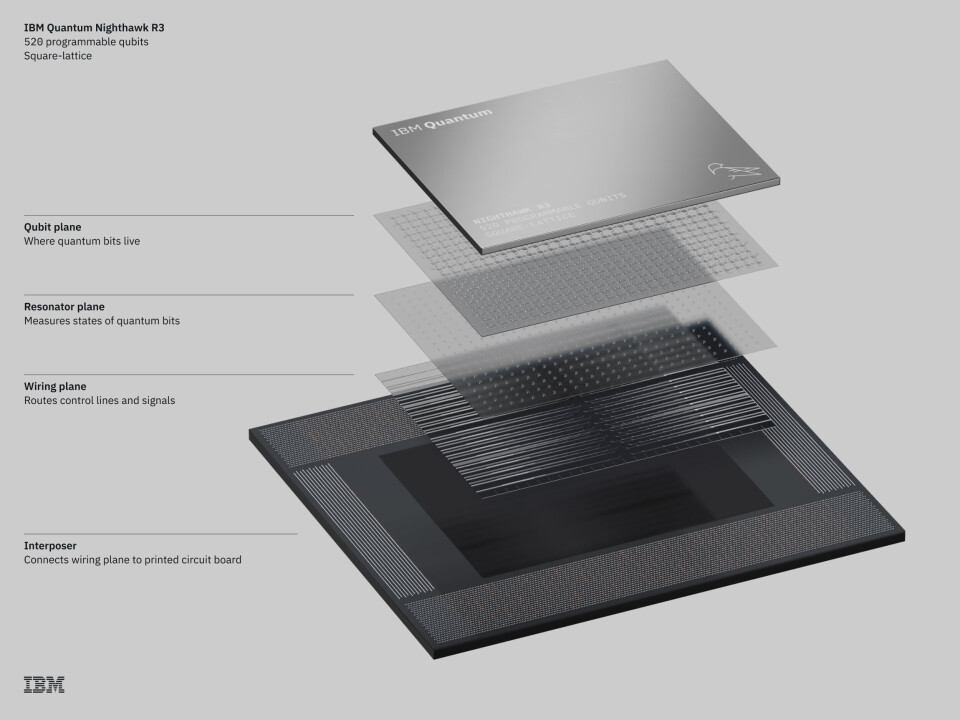
As IBM moves closer to its 2029 goal, the focus remains on the practicality and modularity of its design. By building a platform that uses the same size and complexity of modules already in production today and joining them together, the company believes it has the most viable path to large-scale fault tolerance. The progress seen with Nighthawk r2’s reset speeds, the upcoming scale of Nighthawk r3, and the successful testing of l-couplers suggests that the era of utility-scale quantum computing is steadily approaching, moving out of the lab and into the realm of high-speed, reliable industrial application.
 Enterprise Tech & Infrastructure
Navigating the Complexity of Amazon S3 Cost Management: Beyond the Per-Gigabyte Rate
In the world of enterprise cloud infrastructure, Amazon S3 has long been...
 Enterprise Tech & Infrastructure
Mastering the Economics of Amazon S3: Strategies for Navigating Complex Cloud Storage Costs
For modern enterprises, the migration to cloud storage was once championed as...
 Enterprise Tech & Infrastructure
Upscale AI Challenges Nvidia’s Scale-Up Dominance with SkyHammer Fabric and $2 Billion Valuation
For decades, the architecture of high-performance computing was defined by a fiercely...







