
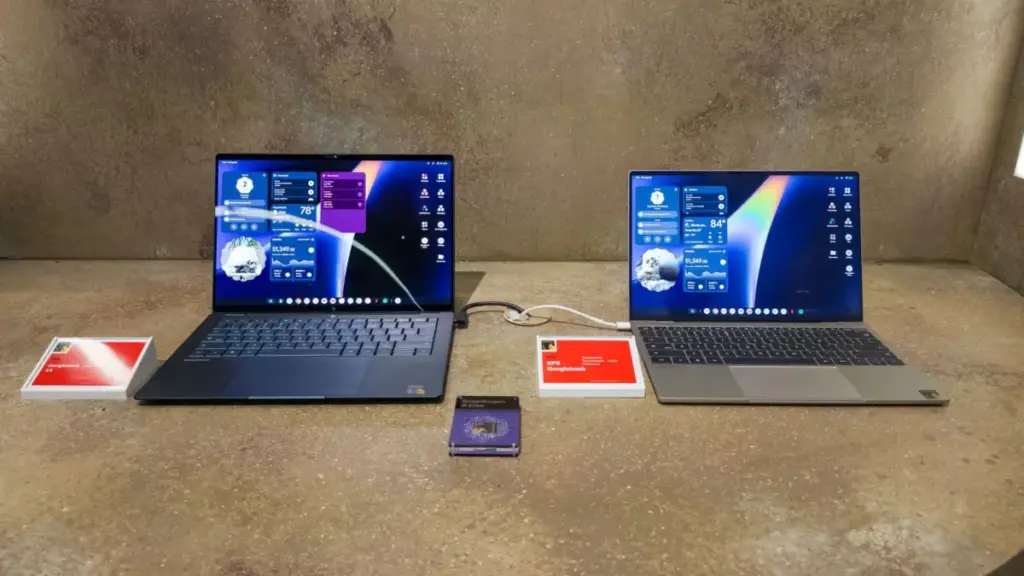
For years, the tech industry has buzzed with rumors that Google was preparing a fundamental shift in its laptop strategy. While ChromeOS has successfully carved out a massive niche in the education and budget sectors, power users and professionals have often looked toward Android for a more robust app ecosystem and tighter integration with their mobile devices. Earlier this year, Google finally bridged that gap, introducing what many had long anticipated: a full-fledged Android-based laptop experience. These devices, officially dubbed "Googlebooks," represent a natural and perhaps inevitable evolution of the Chromebook concept, signaling a new era for Google’s computing ambitions.
At the recent Snapdragon Summit, the first wave of these devices was on full display. Powered by Qualcomm’s high-performance silicon, these Googlebooks are designed to challenge the traditional dominance of Windows and macOS in the premium space. The transition from ChromeOS to an Android-based foundation is more than just a branding exercise; it is a complete reimagining of what a lightweight, cloud-integrated operating system can achieve when backed by modern hardware and advanced artificial intelligence.
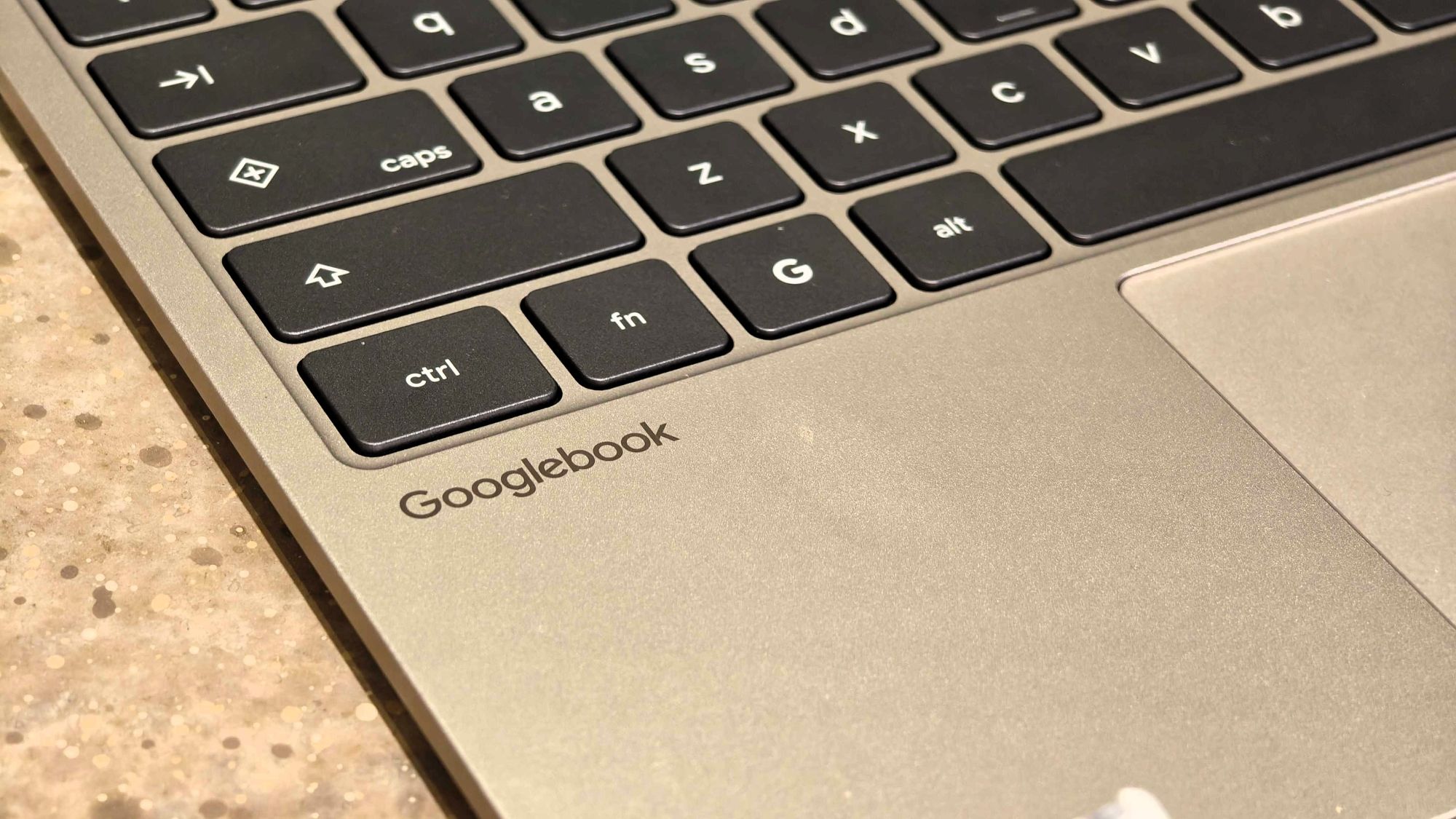
The experience of using a Googlebook is immediately familiar yet distinctly more capable than the Chromebooks of old. By merging the best elements of ChromeOS—its speed, security, and simplicity—with the vast capabilities of Android, Google is attempting to create a computing environment that is not only highly productive but also more deeply connected to the modern smartphone-centric lifestyle.
Not the Chromebook You Remember
For over a decade, the term "Chromebook" has been synonymous with affordability. These devices were built to be accessible, providing a gateway to the web for students and budget-conscious consumers. However, Googlebooks are taking a different path. The new hardware unveiled at the Snapdragon Summit makes it clear that Google is no longer content with staying in the bargain bin.
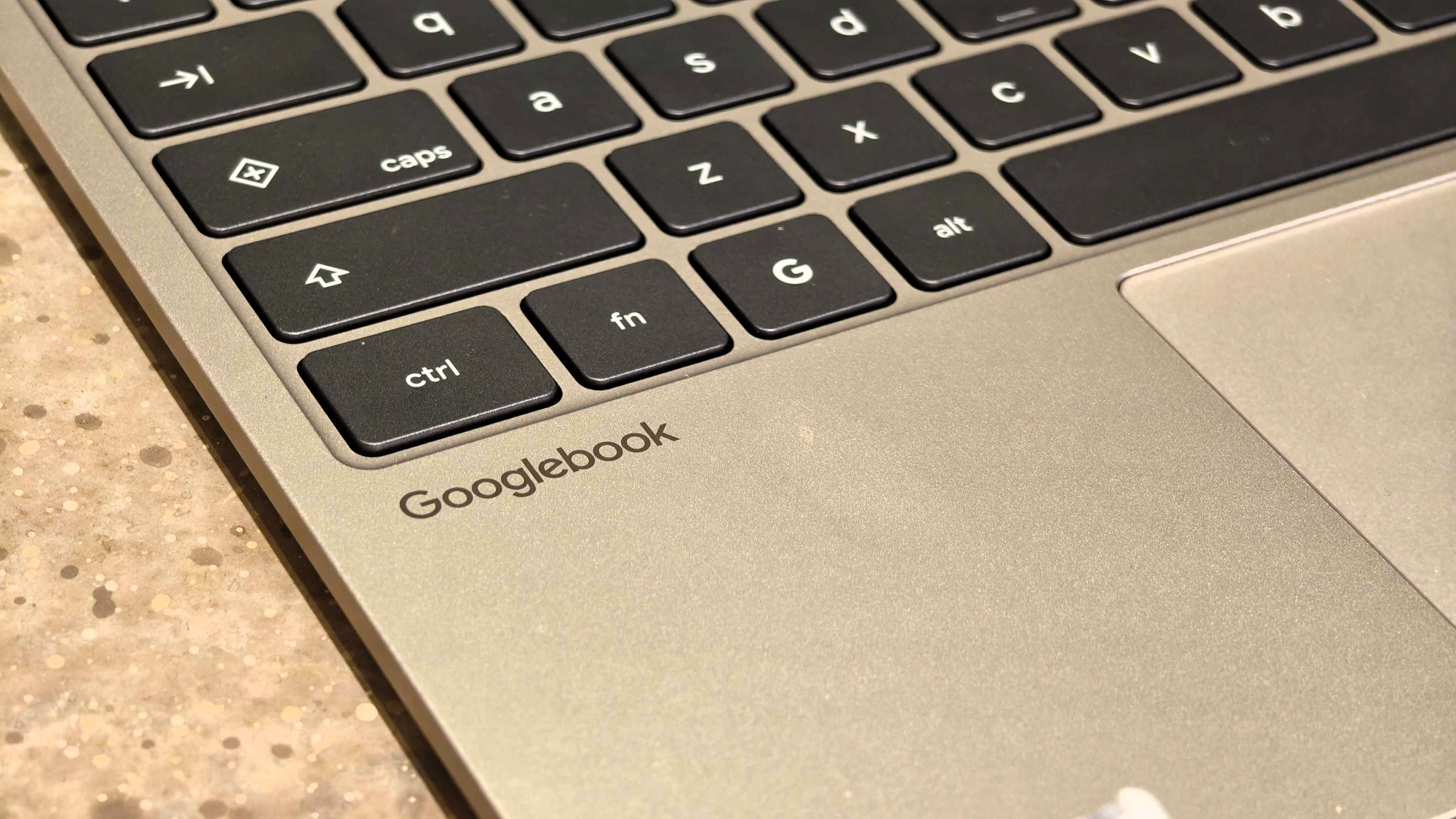
The most striking difference between the new Googlebooks and traditional Chromebooks is the price point. While the Chromebook market thrived on devices priced between $200 and $400, Googlebooks are launching with a much more premium focus. Currently, the barrier to entry is high, with the most affordable models starting at $899 and others easily surpassing the $1,000 mark.
According to industry insights shared during the summit, this pricing strategy is intentional. Google is aiming to establish Googlebooks as a premium tier of computing first, ensuring that the initial user experience is flawless and high-end. The philosophy is that it is far easier to start at the top of the market and eventually scale down to more affordable price points than it is to try and elevate a "budget" brand into the premium space. By the time cheaper Googlebooks arrive to eventually supplant the existing Chromebook lineup, the platform will have already established its reputation for quality and performance.
The hardware itself reflects this premium ambition. Two of the standout models showcased were the HP Googlebook 14 and the Dell XPS Googlebook. Both are powered by the Snapdragon X Elite, a chipset that has redefined expectations for ARM-based performance on laptops.
 Mobile Device Management (MDM) & Mobile OS
Google to Replace Gemini Gems with Modular ‘Skills’ Starting in October
Google is preparing a significant evolution for its artificial intelligence ecosystem, announcing...
 Mobile Device Management (MDM) & Mobile OS
RayNeo GT Arrives to Shake Up the Competitive $300 Smart Glasses Market with Enhanced Ergonomics and 3DoF Tracking
The landscape of augmented reality and wearable displays is moving at a...
 Mobile Device Management (MDM) & Mobile OS
Google Messages Overhauls Interface with New Gestures and Contextual Menus for Android Users
Google is currently in the process of rolling out a significant update...







