
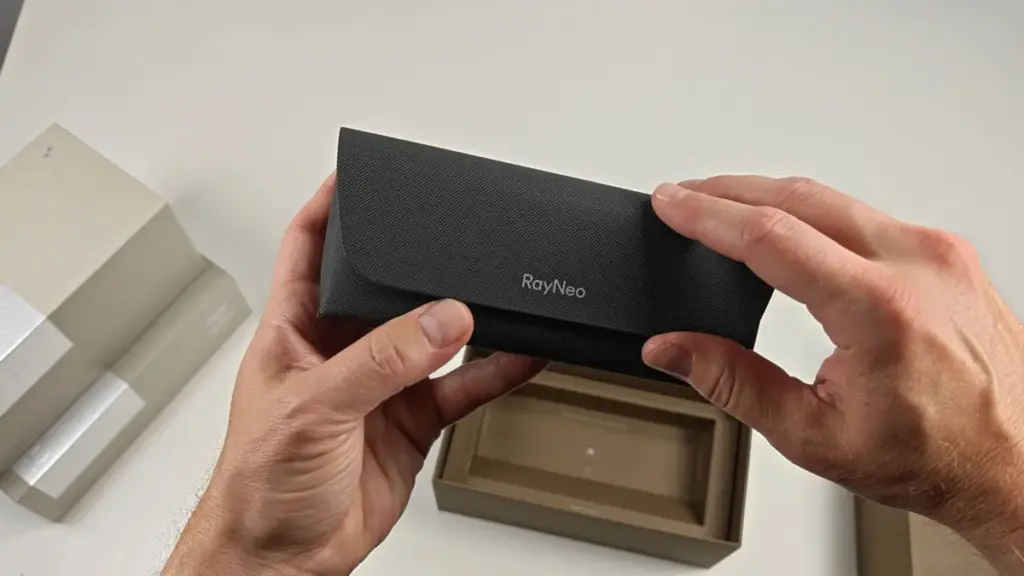
The landscape of augmented reality and wearable displays is moving at a breakneck pace, with manufacturers iterating on hardware faster than almost any other sector in consumer electronics. Just months after the release of the RayNeo Air 4 Pro, RayNeo has returned to the spotlight with the launch of the RayNeo GT. This new entry into the market is not just a minor refresh; it represents a strategic pivot toward addressing the most common pain points of early adopters—comfort, visual clarity, and spatial stability—while maintaining a highly aggressive $299 price point.
The $300 segment has quickly become the primary battleground for smart glasses, a space where companies must balance high-end display technology with the physical constraints of a device meant to be worn on the face for hours at a time. With the RayNeo GT, the company appears to be doubling down on the "GT" branding, implying a focus on performance and long-distance comfort, much like the grand tourer automobiles that share the moniker.
A Refined Approach to Wearable Design
One of the most immediate improvements in the RayNeo GT is its physical footprint. In the world of head-mounted displays, every gram counts toward long-term usability. RayNeo has managed to shave 8 grams off the weight compared to the previous Air 4 Pro. While 8 grams might seem negligible in a handheld device, in the context of eyewear, it significantly reduces the pressure on the bridge of the nose and the tops of the ears, which are the primary fatigue points for users.
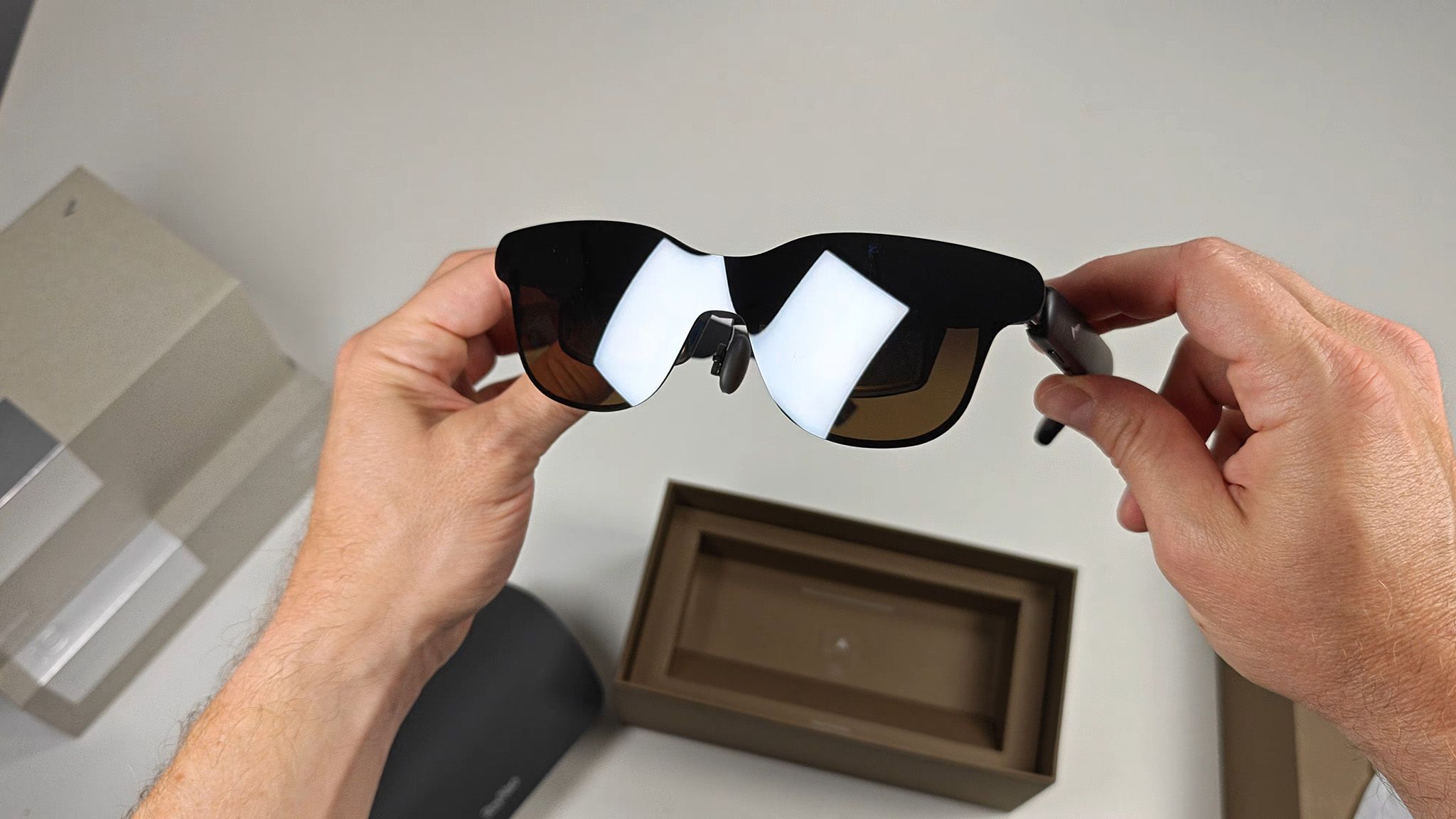
Beyond simple weight reduction, RayNeo is tackling a fundamental optical hurdle that has plagued the industry: Interpupillary Distance (IPD). Most smart glasses on the market utilize a "one-size-fits-most" approach, which often results in blurred edges or eye strain for users whose eyes are closer together or further apart than the average. To combat this, the RayNeo GT is being offered in three distinct IPD sizes.
The "Small" variant is tailored for those with an IPD of 63mm or lower, the "Medium" covers the standard 64mm to 67mm range, and the "Large" model is designed for users with an IPD of 68mm or higher. This level of customization is rare at this price tier and ensures that the micro-OLED displays are perfectly aligned with the user’s pupils, providing a crisp image across the entire 47-degree Field of View (FoV).
Complementing this hardware-level customization is the ability to adjust the virtual screen size within the glasses’ software. This allows users to scale their content to their preference, whether they want a massive cinematic experience for movies or a more compact, focused display for productivity tasks. The physical fit is further enhanced by an adjustable nosepiece and the inclusion of temple pads, which provide a softer contact point against the side of the head, preventing the "pinching" sensation common in many rigid smart glass designs.
Advanced Visuals and the Vision 4000 Chipset
 Mobile Device Management (MDM) & Mobile OS
Google Messages Overhauls Interface with New Gestures and Contextual Menus for Android Users
Google is currently in the process of rolling out a significant update...
 Mobile Device Management (MDM) & Mobile OS
Google’s New Vision for Computing: A Hands-On Look at the First Generation of Googlebooks
For years, the tech industry has buzzed with rumors that Google was...
 Mobile Device Management (MDM) & Mobile OS
Google Explores Enhanced Security for Chrome on Android with Biometric Password Reauthentication
The convenience of modern mobile browsing often rests on a delicate balance...







