
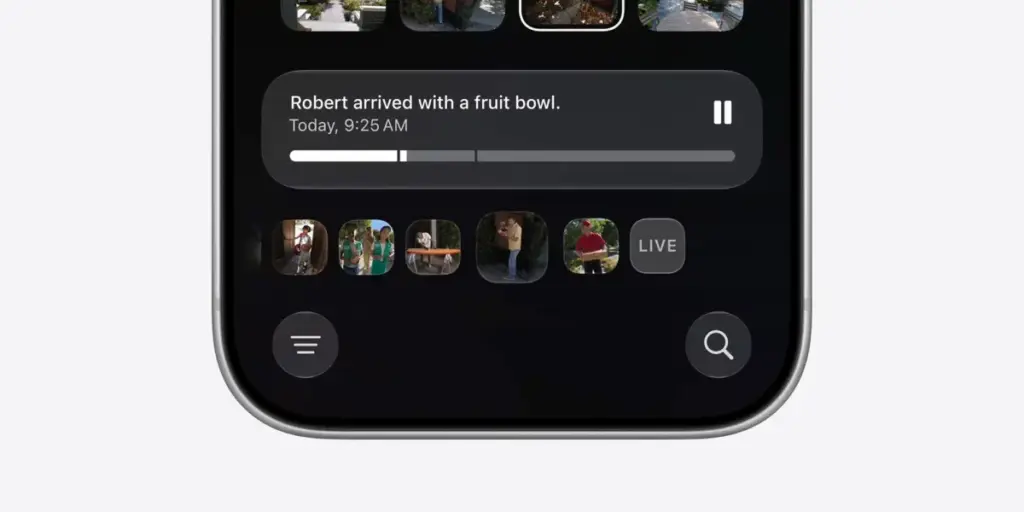
As the technology industry continues its aggressive pivot toward artificial intelligence, the transition from experimental software to consumer-ready products is increasingly being defined by new monetization strategies. Apple, a company that has long prided itself on integrating hardware and software to create seamless user experiences, is now facing scrutiny over the pricing structure of its latest smart home innovations. Documentation discovered within the developer release notes for the third beta of macOS 27 has revealed a significant caveat for users hoping to utilize the next generation of home security features: a top-tier 2TB iCloud+ subscription is mandatory.
The revelation, which was first identified in the fine print of the latest developer builds, clarifies the hardware and service requirements for the upcoming suite of Apple Intelligence features integrated into the Home app. While Apple’s World Wide Developer Conference (WWDC) earlier this summer showcased a future where the Home app becomes significantly more intuitive and capable, the cost of entry for these specific "intelligent" features appears to be higher than many early adopters had anticipated.
The Evolution of the Intelligent Home App
At the heart of this development are several AI-powered upgrades designed to streamline the often-cluttered experience of managing home security cameras. Currently, users with HomeKit-enabled cameras often deal with "notification fatigue." A single event—such as a family member returning home—can trigger a cascade of individual alerts. A user might receive a notification that motion was detected in the driveway, followed by an alert that the garage door opened, then another that the garage door closed, and finally a notification that the front door was unlocked.
Under the new system slated for release with iOS 27 and macOS 27, Apple Intelligence aims to synthesize these disparate data points into a single, coherent summary. Instead of six pings, the user receives one intelligent notification: "Robert arrived home." This move toward contextual awareness represents a major leap for Apple’s smart home ecosystem, shifting the platform from a passive receiver of sensor data to an active interpreter of household activity.
Beyond notification summaries, Apple is introducing a substantial technical upgrade to its HomeKit Secure Video (HKSV) protocol. For the first time, the service will support 4K resolution, a significant jump from the long-standing 1080p limitation that has frustrated users with high-end camera hardware. This resolution boost is paired with three core AI-driven capabilities: generated video descriptions, intelligent search, and highlighted clips.
Generated video descriptions allow users to read a text-based summary of a recorded event without needing to scrub through the footage manually. The search functionality has been similarly overhauled, allowing users to query their history for specific events, such as "find the clip of the package delivery" or "when did the dog go into the backyard?" Finally, the Home app will now curate "noteworthy clips" at the top of the interface, using machine learning to prioritize events that the system deems important, such as a friend dropping off a gift or an unrecognized person approaching the property.
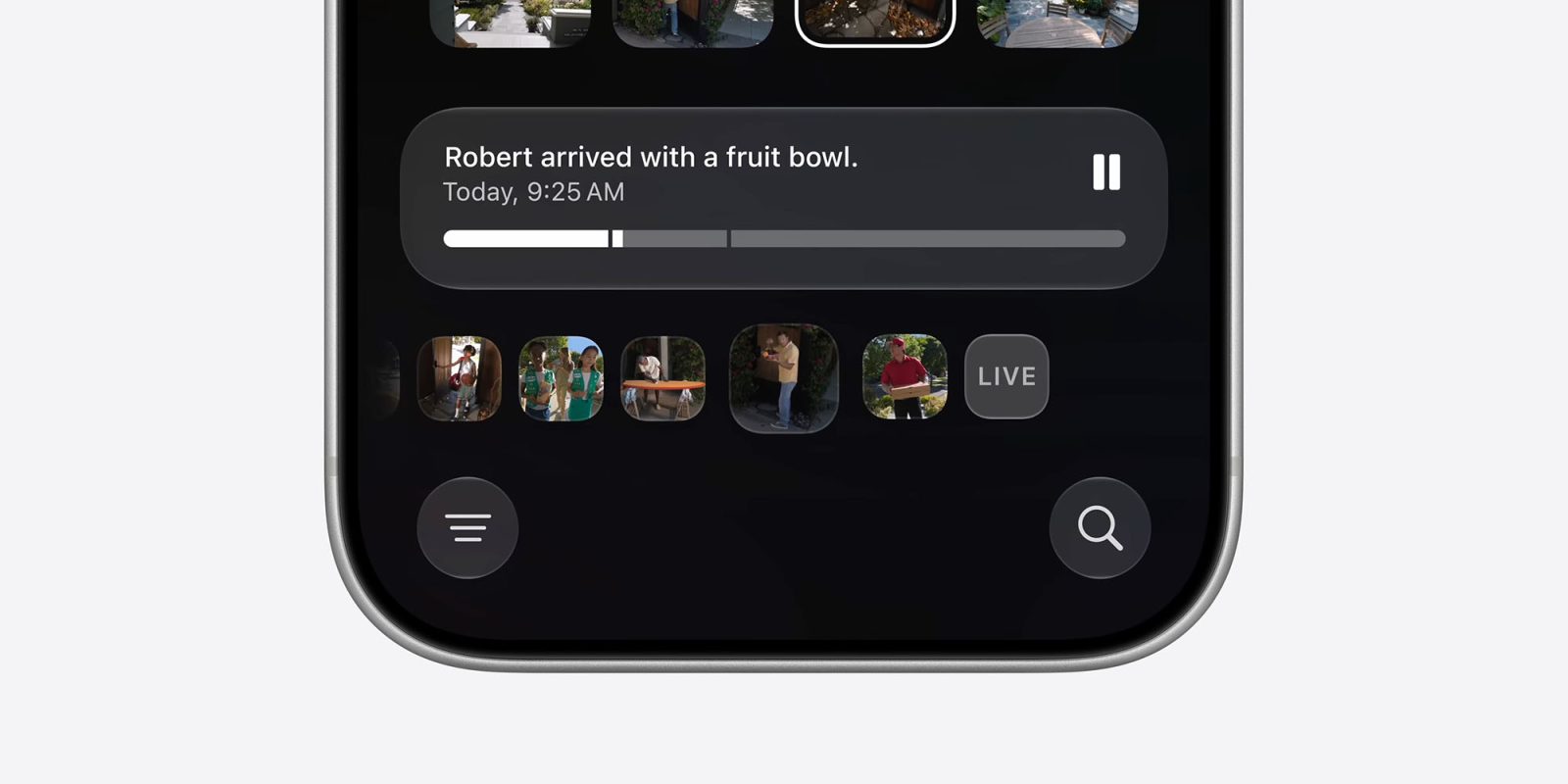
The 2TB Requirement and the Subscription Hurdle
While these features were met with enthusiasm during their initial unveiling, the requirement of a 2TB iCloud+ plan adds a layer of financial complexity. According to the release notes found in macOS 27 beta 3, the activation of Apple Intelligence features within the Home app—regardless of whether the user is accessing them via iPhone, iPad, or Mac—is tethered to Apple’s $9.99 per month storage tier.
 Smart Home & IoT Solutions
The Apple Home Collection: Why Seamless Integration Could Finally Drive Mass Market Smart Home Adoption
In the rapidly evolving world of consumer technology, it is often difficult...
 Smart Home & IoT Solutions
Apple Intelligence and 4K Video: A Deep Dive into the iOS 27 Home App Overhaul
As Apple prepares for its highly anticipated "Welcome Home" special event on...
 Smart Home & IoT Solutions
Apple’s Smart Home Ambitions Expand with LG Partnership and Exclusive ‘Proximity Control’ Features
As the technology industry looks toward Apple’s upcoming "Welcome Home" special event...







