
For years, Apple’s presence in the smart home market has been characterized by a cautious, secondary approach. While Amazon and Google aggressively populated households with a diverse array of smart speakers, displays, and security cameras, Apple remained focused on its core ecosystem of iPhones, Macs, and Watches. However, recent developments and industry reports suggest that a fundamental shift is underway. Apple is reportedly preparing to mount its most significant challenge yet to the smart home status quo, culminating in a sophisticated home security and monitoring service slated for a 2027 debut.
According to a detailed report from Bloomberg’s Mark Gurman, Apple is not merely planning a few hardware refreshes but is instead architecting a comprehensive home security ecosystem. This strategy involves a blend of advanced hardware powered by "Apple Intelligence" and a dedicated subscription-based monitoring service. The move represents a pivot from providing the infrastructure for others—via the HomeKit framework—to becoming a primary provider of both the hardware and the professional services that protect the modern household.
Apple’s Strategic Expansion into Home Security and Monitoring
The cornerstone of this new ambition is a hardware device described as a privacy-centric home security camera and automation sensor. Unlike traditional security cameras that rely on constant video streaming and cloud-based recording, Apple’s upcoming device is expected to leverage high-level artificial intelligence to monitor the surrounding environment. The report indicates that the system may prioritize environmental data and behavioral patterns over traditional video footage, a move that aligns perfectly with Apple’s long-standing corporate identity as a champion of user privacy.
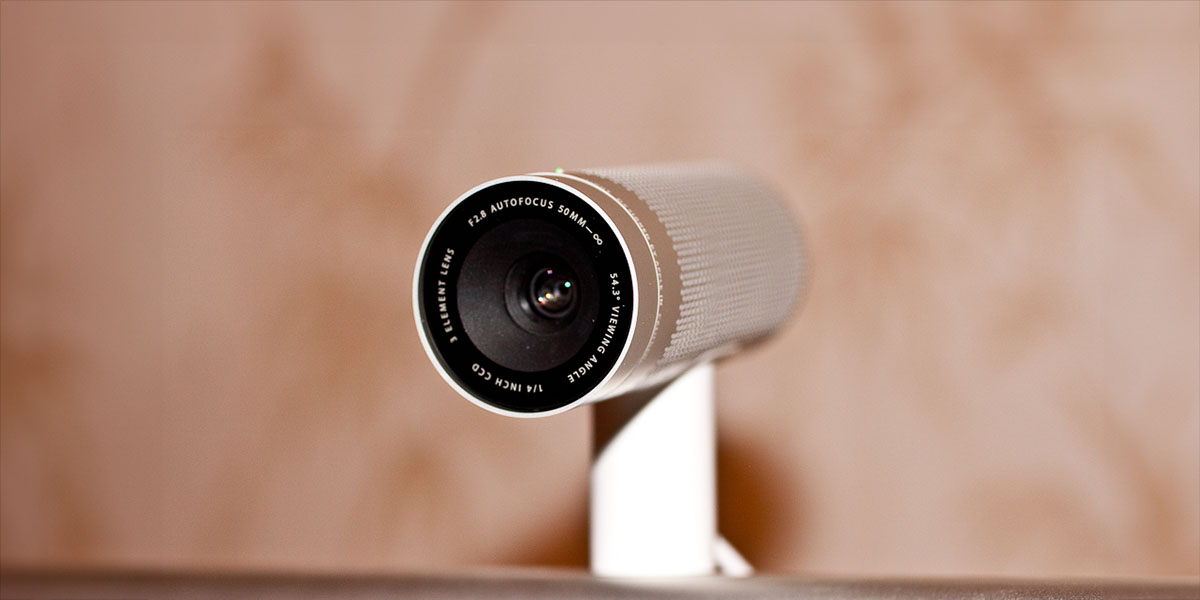
By utilizing on-device processing—a hallmark of the "Apple Intelligence" initiative—the proposed security sensor could potentially identify threats, detect falls, or recognize unauthorized entry without ever transmitting raw video of a user’s private life to a central server. This "privacy-first" approach to surveillance could serve as a major differentiator in a market currently dominated by companies whose business models often rely on data collection.
However, the most significant revelation in the recent report is the mention of a dedicated "home security and monitoring service." This suggests that Apple is looking to move beyond the one-time sale of hardware. By entering the monitoring space, Apple would be positioning itself against established security giants and tech competitors like Amazon’s Ring and Google’s Nest, both of which offer tiered subscription plans for professional monitoring and emergency response.
A dedicated monitoring service would represent a logical extension of Apple’s rapidly growing Services division. Over the past several years, services such as iCloud+, Apple Music, and Apple TV+ have become vital to the company’s bottom line, providing steady, recurring revenue that balances the cyclical nature of hardware sales. Integrating home security into this portfolio would not only increase the "stickiness" of the Apple ecosystem but also provide a new, high-value tier for the Apple One subscription bundle.
The 2027 Roadmap and the "HomePad" Revolution
While the security service is the long-term goal for 2027, Apple’s broader overhaul of its home products is expected to begin much sooner. The company is reportedly working on a multi-stage rollout of hardware designed to unify the smart home experience, which has historically been fragmented across various devices and apps.
 Smart Home & IoT Solutions
Report: Apple ‘HomeView’ smart home hub will ship in November, come in four colors, A18 chip
While the announcement is imminent, consumers may have to wait a few...
 Smart Home & IoT Solutions
Apple Intelligence in the Home: New AI Security Features Require Top-Tier iCloud+ Subscription
As the development cycle for Apple’s upcoming software ecosystem continues, the release...
 Smart Home & IoT Solutions
Apple and LG’s Upcoming Smart Home Accessories to Feature Exclusive Dynamic Island Proximity Controls
As Apple prepares for its highly anticipated "Welcome home" special event scheduled...







