

As Apple prepares for its highly anticipated "Welcome Home" special event on October 13, the tech industry’s focus has shifted toward the software foundation that will support a new generation of smart home hardware. While the upcoming event is expected to showcase several new physical Home products, the release of iOS 27 has already begun to reveal how Apple intends to transform the user experience through software. Central to this evolution is a significant redesign of the Home app, leveraging the power of Apple Intelligence to address long-standing user requests and modernize the ecosystem’s security capabilities.
The updates arriving in iOS 27 represent more than just incremental changes; they signify a strategic pivot in how Apple manages home automation and security. By integrating advanced machine learning directly into the HomeKit Secure Video framework and rethinking the way users interact with their devices through notifications, Apple is attempting to solve the "noise" problem that has plagued the smart home industry for years.
HomeKit Secure Video Receives Long-Awaited 4K Support and AI Integration
For several years, HomeKit Secure Video (HKSV) has been a cornerstone of Apple’s privacy-centric smart home strategy. Included with iCloud+ subscriptions, the service provides users with end-to-end encrypted video storage, allowing them to record and view footage from compatible cameras without relying on third-party servers that might compromise their privacy. However, despite its security advantages, HKSV has historically lagged behind competitors in terms of raw video quality, maintaining a maximum resolution of 1080p.
In iOS 27, Apple is finally breaking that barrier. The company has officially confirmed that supported HomeKit Secure Video cameras can now stream and record in 4K resolution. This upgrade is a significant milestone for enthusiasts who have long argued that 1080p was insufficient for identifying fine details, such as license plates or facial features at a distance. The move to 4K brings Apple’s platform in line with high-end offerings from industry rivals, though it places a higher premium on network bandwidth and the processing power of the home hub—typically an Apple TV or HomePod.
Beyond the resolution bump, HomeKit Secure Video is being fundamentally enhanced by Apple Intelligence. These AI-driven upgrades are designed to make the vast amounts of footage captured by home cameras more accessible and useful. One of the most prominent additions is a sophisticated search capability for video clips. Rather than manually scrubbing through hours of recorded motion, users can now use natural language to find specific events. By analyzing the content of the video on-device, the Home app can identify specific objects, people, and actions, allowing for a much more intuitive way to review home activity.
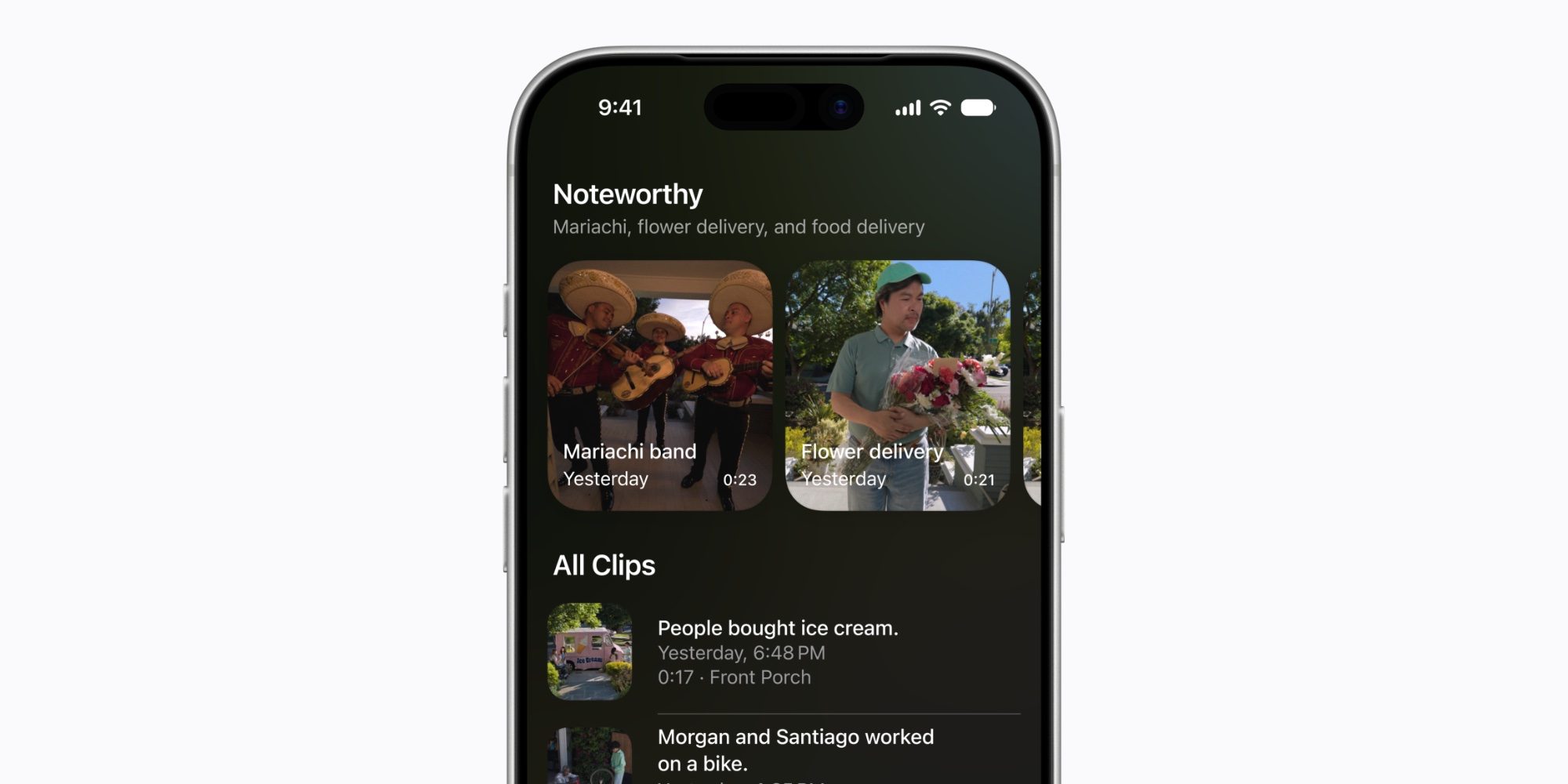
This integration of Apple Intelligence also extends to how the system interprets the context of what it sees. The new software can generate summaries of activity over a set period, providing a high-level overview of what occurred in or around the home. For instance, instead of presenting twenty individual motion alerts, the system can synthesize that data into a coherent report. These features are built on the foundation of Apple’s commitment to privacy, ensuring that the analysis of the video remains on the user’s local devices rather than being processed in the cloud.
 Smart Home & IoT Solutions
IRobot Re-emerges Under New Ownership with Ambitious Eight-Model Roomba Lineup Following Bankruptcy
In a significant turn of events for the consumer robotics industry, iRobot,...
 Smart Home & IoT Solutions
Apple Poised to Enter Smart Home Display Market with Design Inspired by Iconic iMac G4
In a move that signals a significant shift in its hardware strategy,...
 Smart Home & IoT Solutions
Apple Gates Advanced AI Home Security Features Behind Premium 2TB iCloud Subscription
As the technology industry continues its aggressive pivot toward artificial intelligence, the...







