
As Apple prepares for its highly anticipated "Welcome Home" special event on October 13, the tech industry’s focus has shifted toward the software foundation that will support a new generation of smart home hardware. While the upcoming event is expected to showcase several new physical Home products, the release of iOS 27 has already begun to reveal how Apple intends to transform the user experience through software. Central to this evolution is a significant redesign of the Home app, leveraging the power of Apple Intelligence to address long-standing user requests and modernize the ecosystem’s security capabilities.
The updates arriving in iOS 27 represent more than just incremental changes; they signify a strategic pivot in how Apple manages home automation and security. By integrating advanced machine learning directly into the HomeKit Secure Video framework and rethinking the way users interact with their devices through notifications, Apple is attempting to solve the "noise" problem that has plagued the smart home industry for years.
HomeKit Secure Video Receives Long-Awaited 4K Support and AI Integration
For several years, HomeKit Secure Video (HKSV) has been a cornerstone of Apple’s privacy-centric smart home strategy. Included with iCloud+ subscriptions, the service provides users with end-to-end encrypted video storage, allowing them to record and view footage from compatible cameras without relying on third-party servers that might compromise their privacy. However, despite its security advantages, HKSV has historically lagged behind competitors in terms of raw video quality, maintaining a maximum resolution of 1080p.
In iOS 27, Apple is finally breaking that barrier. The company has officially confirmed that supported HomeKit Secure Video cameras can now stream and record in 4K resolution. This upgrade is a significant milestone for enthusiasts who have long argued that 1080p was insufficient for identifying fine details, such as license plates or facial features at a distance. The move to 4K brings Apple’s platform in line with high-end offerings from industry rivals, though it places a higher premium on network bandwidth and the processing power of the home hub—typically an Apple TV or HomePod.
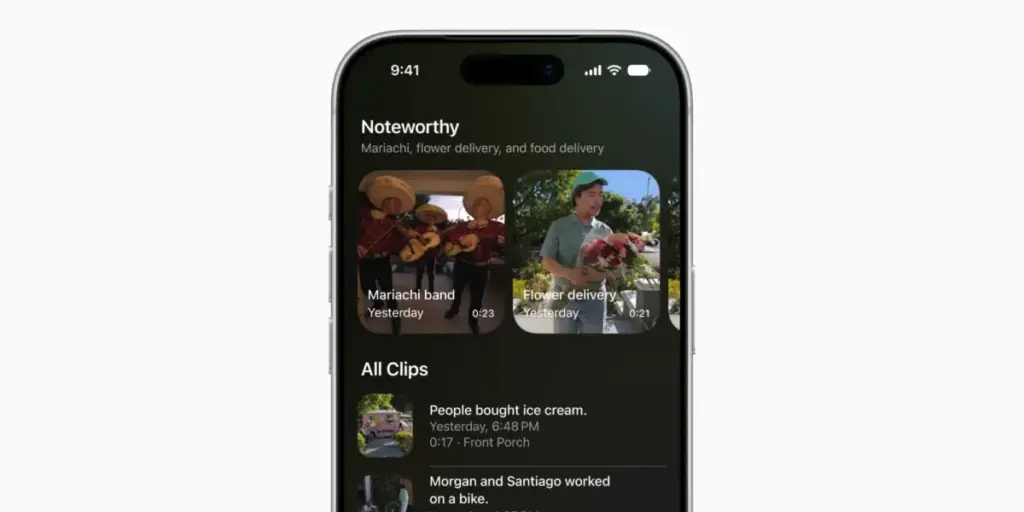
Beyond the resolution bump, HomeKit Secure Video is being fundamentally enhanced by Apple Intelligence. These AI-driven upgrades are designed to make the vast amounts of footage captured by home cameras more accessible and useful. One of the most prominent additions is a sophisticated search capability for video clips. Rather than manually scrubbing through hours of recorded motion, users can now use natural language to find specific events. By analyzing the content of the video on-device, the Home app can identify specific objects, people, and actions, allowing for a much more intuitive way to review home activity.
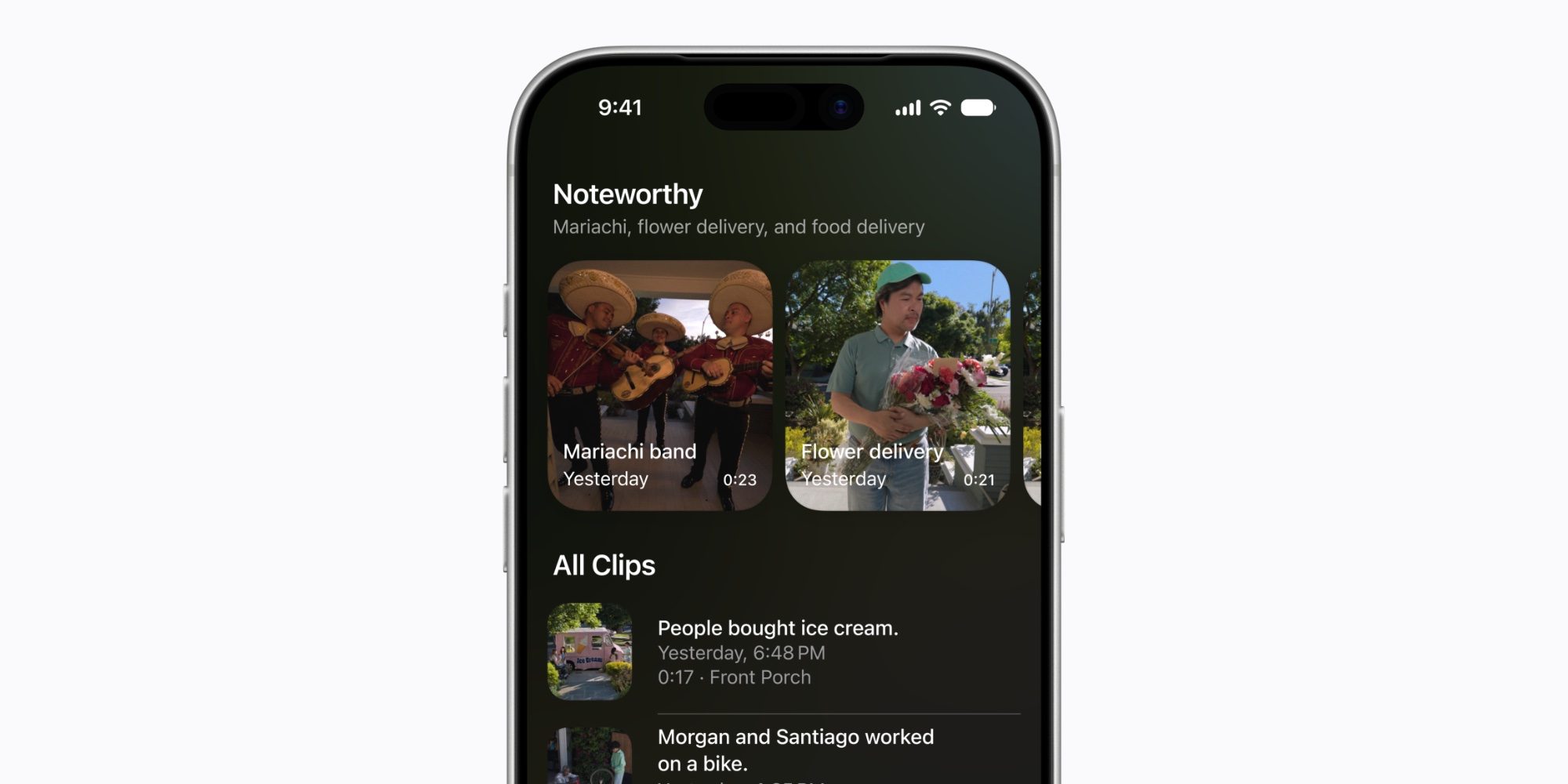
This integration of Apple Intelligence also extends to how the system interprets the context of what it sees. The new software can generate summaries of activity over a set period, providing a high-level overview of what occurred in or around the home. For instance, instead of presenting twenty individual motion alerts, the system can synthesize that data into a coherent report. These features are built on the foundation of Apple’s commitment to privacy, ensuring that the analysis of the video remains on the user’s local devices rather than being processed in the cloud.
For users looking to take advantage of these new capabilities, hardware compatibility remains key. Devices like the Logitech Circle View and the Eve Cam continue to be the primary recommendations for those seeking a seamless HKSV experience. With the arrival of 4K support, the market expects a new wave of camera hardware designed specifically to utilize the increased bandwidth and resolution offered by iOS 27.
Intelligent Notification Management and Real-Time Updates
The second major pillar of the iOS 27 Home app update focuses on the user interface and, specifically, the way the system communicates with the user. One of the most persistent complaints regarding smart home systems is "notification fatigue"—the constant barrage of alerts for every minor movement or state change. Apple is addressing this through a new AI-powered feature called real-time notification updates.
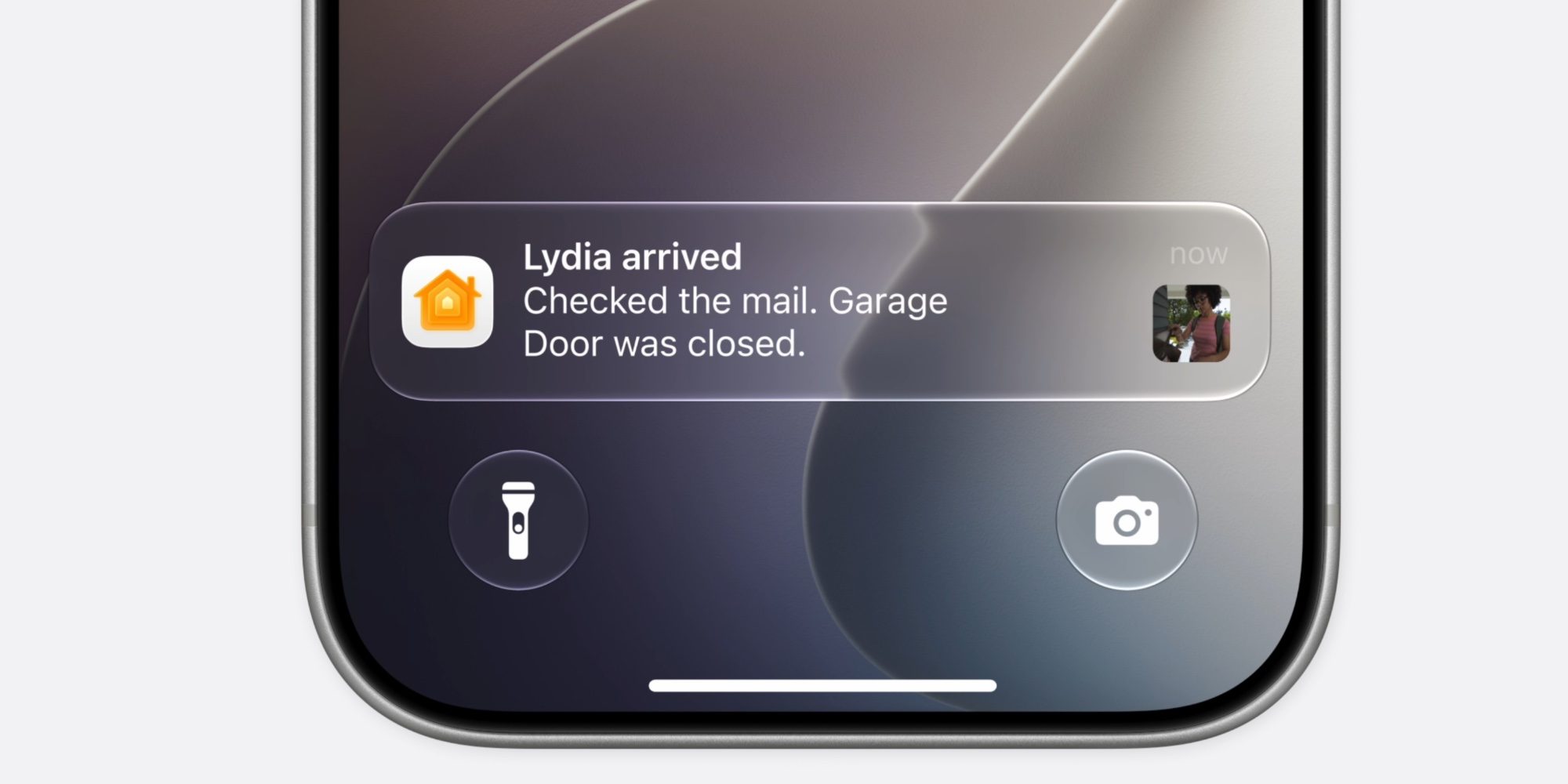
The philosophy behind this change is to treat a series of related events as a single, evolving story rather than a collection of disparate data points. Apple Intelligence is now capable of understanding the relationship between different sensors and cameras. In the new Apple Intelligence section of the Home app’s settings, users will find a "Reduce Notifications" toggle. When enabled, this feature combines related activities into a single, dynamic notification that updates in real time as events unfold.
Apple’s description of the feature highlights its practical utility: "The Home app draws on Apple Intelligence to understand related notifications as a single activity, so users receive one notification that updates as the activity happens." This represents a shift from static alerts to live, informational summaries.
To illustrate the impact, consider a typical scenario where a family member returns home. In previous versions of iOS, a user might receive a sequence of seven or more individual notifications: motion detected at the front door, the doorbell being pressed, the smart lock being disengaged, the front door opening, the person entering, the door closing, and the garage door being shut. In iOS 27, these are condensed. The user receives one alert that evolves as each step occurs. By the time the sequence is finished, the notification might simply read: "Lydia arrived. Checked the mail. Garage Door was closed."
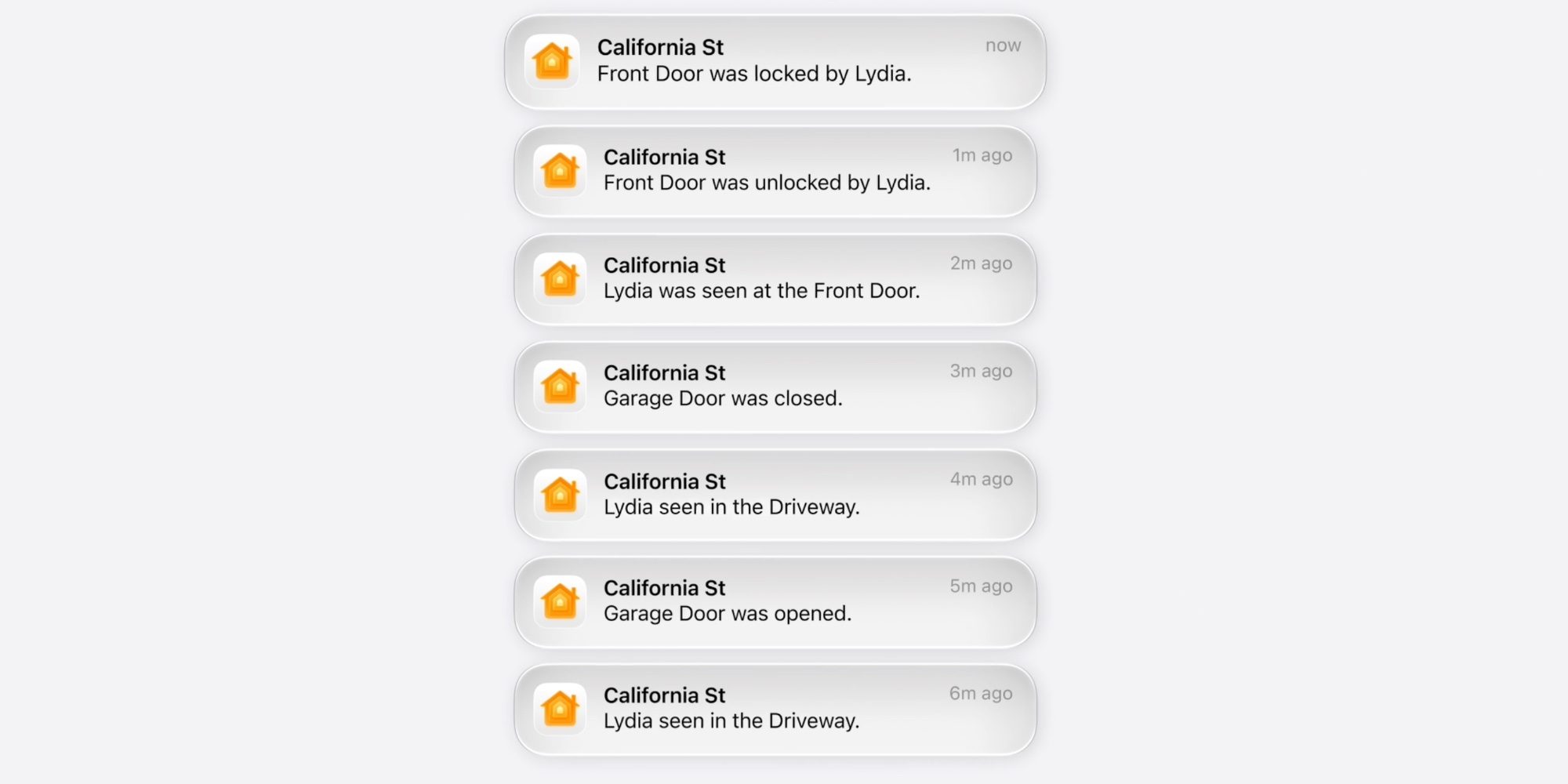
This "Reduce Notifications" feature is designed to ensure that the lock screen remains uncluttered and that the information presented is always the most relevant and current. By focusing on the "latest" info, the Home app effectively filters out the noise while keeping the user informed of the completed action. This semantic understanding of home activity is a clear demonstration of how Apple intends to use its generative and analytical AI models to improve the mundane aspects of daily life.
The Strategic Context of the October Event
The timing of these software upgrades is no coincidence. By rolling out these features in iOS 27, Apple is setting the stage for the hardware announcements scheduled for next week. The "Welcome Home" event on October 13 is widely expected to introduce new devices that are tailor-made for the capabilities of Apple Intelligence.
Industry analysts suggest that the emphasis on 4K video and intelligent notification grouping points toward the release of new home security hardware or perhaps a dedicated home hub with a built-in display. Such a device would benefit immensely from the ability to show a single, updating notification card rather than a list of alerts. Furthermore, the move to 4K suggests that Apple is ready to support higher-end imaging sensors in its own ecosystem, potentially signaling a more aggressive push into the premium home security market.

The integration of Apple Intelligence into the Home app also serves as a competitive differentiator. While competitors have offered various forms of AI-assisted motion detection for years, Apple’s approach emphasizes local processing and the "ecosystem effect"—the idea that your phone, your watch, and your home all share a common, private intelligence that understands your routines.
As smart homes become more complex, with more devices and more data points, the role of the software becomes more critical. The iOS 27 updates suggest that Apple views the future of the smart home not just as a collection of connected "things," but as an intelligent environment that can anticipate needs and report activity in a way that feels natural and human.
The upcoming October 13 event will likely provide the final pieces of the puzzle, showing exactly how these new software features will interact with the next generation of Apple Home accessories. For now, the upgrades in iOS 27 offer a compelling glimpse into a more streamlined, high-resolution, and intelligent home management experience. Whether it is through the clarity of 4K video or the sanity-saving "Reduce Notifications" feature, Apple is clearly focused on making the smart home feel less like a technical chore and more like a seamless part of the user’s life.
 Smart Home & IoT Solutions
Apple Poised for Major Smart Home Overhaul as Apple Intelligence Breaks Siri Development Bottleneck
For several years, Apple’s presence in the smart home market has felt...
 Smart Home & IoT Solutions
Apple and LG Collaborate on Major Smart Home Expansion to Reboot the HomeKit Ecosystem
In a significant strategic shift aimed at revitalizing its presence in the...
 Smart Home & IoT Solutions
Apple Targets 2027 for Launch of Dedicated Home Security and Monitoring Service
For years, Apple’s presence in the smart home market has been characterized...







