
For several years, Apple’s presence in the smart home market has felt uncharacteristically stagnant. While the company’s silicon prowess has revolutionized the Mac and iPad lineups, the hardware powering the living room and kitchen has remained trapped in a previous era. The HomePod mini and the Apple TV 4K, the two pillars of Apple’s current home ecosystem, are based on designs and internal architectures that are now between four and six years old. However, industry reporting and internal development cycles suggest that this period of dormancy is coming to an abrupt end. The catalyst for this long-awaited refresh is not merely a desire for new industrial design, but the arrival of Apple Intelligence.
Siri has long been cited by industry analysts as the primary bottleneck preventing Apple from moving forward with its home hardware roadmap. The digital assistant’s previous limitations meant that there was little incentive to equip low-power home devices with high-end processors. With the recent unveiling of Apple’s generative AI capabilities, the stakes have changed. To support the sophisticated natural language processing and local task execution required by the new Siri, Apple must finally upgrade the silicon across its entire home portfolio. As the company prepares to integrate Apple Intelligence into the fabric of its ecosystem, a wave of new hardware is reportedly nearing its debut.
Imminent Hardware Refreshes: HomePod mini and Apple TV 4K
The most immediate updates are expected to target the existing product line, specifically the HomePod mini and the Apple TV 4K. According to current reporting, these updates are slated for a debut as early as this fall. While these devices have served as reliable hubs for HomeKit enthusiasts, their aging internals are becoming a liability in an era defined by on-device machine learning.
The HomePod mini, which has seen only minor color updates since its introduction in 2020, is expected to receive a significant internal boost. The current model relies on the S5 chip, which originally debuted with the Apple Watch Series 5. The upcoming iteration is rumored to jump to the S9 chip, or potentially an even more modern variant, to provide the neural processing overhead necessary for enhanced Siri interactions. Beyond the processor, the new HomePod mini is expected to feature the N1 wireless chip—the same ultra-wideband silicon that debuted in the iPhone 15 series—which would improve proximity-based features like Handoff. While the external design is likely to remain largely unchanged, new color options and subtle refinements to the acoustic drivers are anticipated to round out the package.
The Apple TV 4K is also due for a specifications bump. Reports indicate a transition from the A15 Bionic to the A17 Pro chip. While the A17 Pro will be a year old by the time a new Apple TV launches, it represents a massive leap in performance over the current model. More importantly, the A17 Pro was the first of Apple’s mobile chips to be marketed as "Pro" enough to handle high-level AI tasks and console-quality gaming. This hardware upgrade is essential for bringing Apple Intelligence to the television, allowing for more complex voice commands and local data processing that ensures user privacy. Additionally, there have been indications that Apple may use this opportunity to tweak the design of the Siri Remote, potentially addressing long-standing ergonomic feedback.
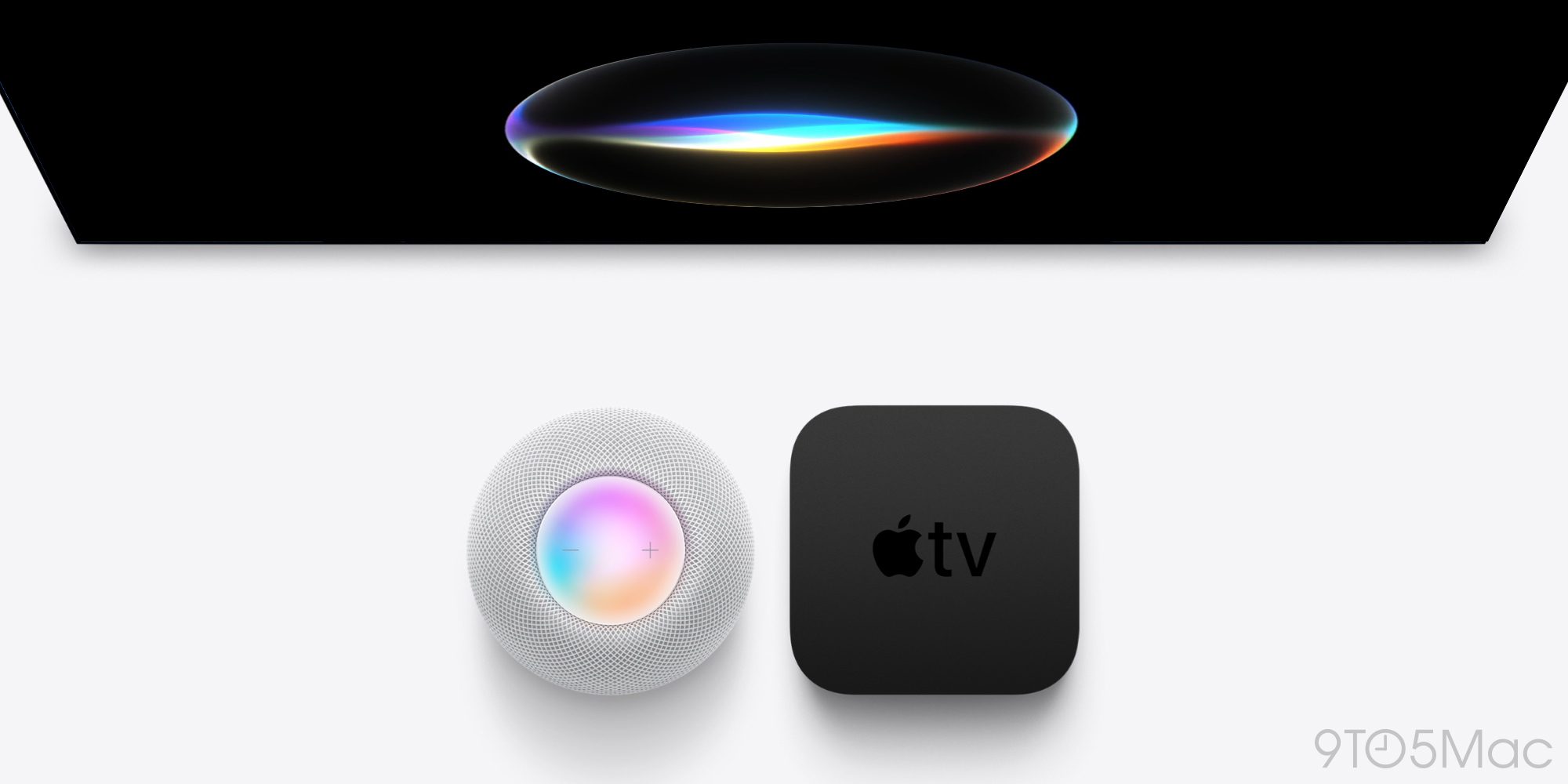
Despite these upgrades, pricing is expected to remain a critical factor. Following the price adjustments seen earlier this summer, the HomePod mini is currently positioned at $129, while the Apple TV 4K starts at $199. Industry observers hope that Apple will maintain these price points even with the more expensive silicon inside, as the company seeks to increase its footprint in the smart home before its competitors further solidify their leads.
 Smart Home & IoT Solutions
SwitchBot Unveils Lock Vision Series Featuring Matter Integration and Advanced 3D Biometric Recognition
In a significant expansion of its smart home security portfolio, SwitchBot has...
 Smart Home & IoT Solutions
Apple Intelligence in the Home: New AI Security Features Require Top-Tier iCloud+ Subscription
As the development cycle for Apple’s upcoming software ecosystem continues, the release...
 Smart Home & IoT Solutions
Apple and LG’s Upcoming Smart Home Accessories to Feature Exclusive Dynamic Island Proximity Controls
As Apple prepares for its highly anticipated "Welcome home" special event scheduled...







