
For several years, Apple’s presence in the smart home market has felt uncharacteristically stagnant. While the company’s silicon prowess has revolutionized the Mac and iPad lineups, the hardware powering the living room and kitchen has remained trapped in a previous era. The HomePod mini and the Apple TV 4K, the two pillars of Apple’s current home ecosystem, are based on designs and internal architectures that are now between four and six years old. However, industry reporting and internal development cycles suggest that this period of dormancy is coming to an abrupt end. The catalyst for this long-awaited refresh is not merely a desire for new industrial design, but the arrival of Apple Intelligence.
Siri has long been cited by industry analysts as the primary bottleneck preventing Apple from moving forward with its home hardware roadmap. The digital assistant’s previous limitations meant that there was little incentive to equip low-power home devices with high-end processors. With the recent unveiling of Apple’s generative AI capabilities, the stakes have changed. To support the sophisticated natural language processing and local task execution required by the new Siri, Apple must finally upgrade the silicon across its entire home portfolio. As the company prepares to integrate Apple Intelligence into the fabric of its ecosystem, a wave of new hardware is reportedly nearing its debut.
Imminent Hardware Refreshes: HomePod mini and Apple TV 4K
The most immediate updates are expected to target the existing product line, specifically the HomePod mini and the Apple TV 4K. According to current reporting, these updates are slated for a debut as early as this fall. While these devices have served as reliable hubs for HomeKit enthusiasts, their aging internals are becoming a liability in an era defined by on-device machine learning.
The HomePod mini, which has seen only minor color updates since its introduction in 2020, is expected to receive a significant internal boost. The current model relies on the S5 chip, which originally debuted with the Apple Watch Series 5. The upcoming iteration is rumored to jump to the S9 chip, or potentially an even more modern variant, to provide the neural processing overhead necessary for enhanced Siri interactions. Beyond the processor, the new HomePod mini is expected to feature the N1 wireless chip—the same ultra-wideband silicon that debuted in the iPhone 15 series—which would improve proximity-based features like Handoff. While the external design is likely to remain largely unchanged, new color options and subtle refinements to the acoustic drivers are anticipated to round out the package.
The Apple TV 4K is also due for a specifications bump. Reports indicate a transition from the A15 Bionic to the A17 Pro chip. While the A17 Pro will be a year old by the time a new Apple TV launches, it represents a massive leap in performance over the current model. More importantly, the A17 Pro was the first of Apple’s mobile chips to be marketed as "Pro" enough to handle high-level AI tasks and console-quality gaming. This hardware upgrade is essential for bringing Apple Intelligence to the television, allowing for more complex voice commands and local data processing that ensures user privacy. Additionally, there have been indications that Apple may use this opportunity to tweak the design of the Siri Remote, potentially addressing long-standing ergonomic feedback.
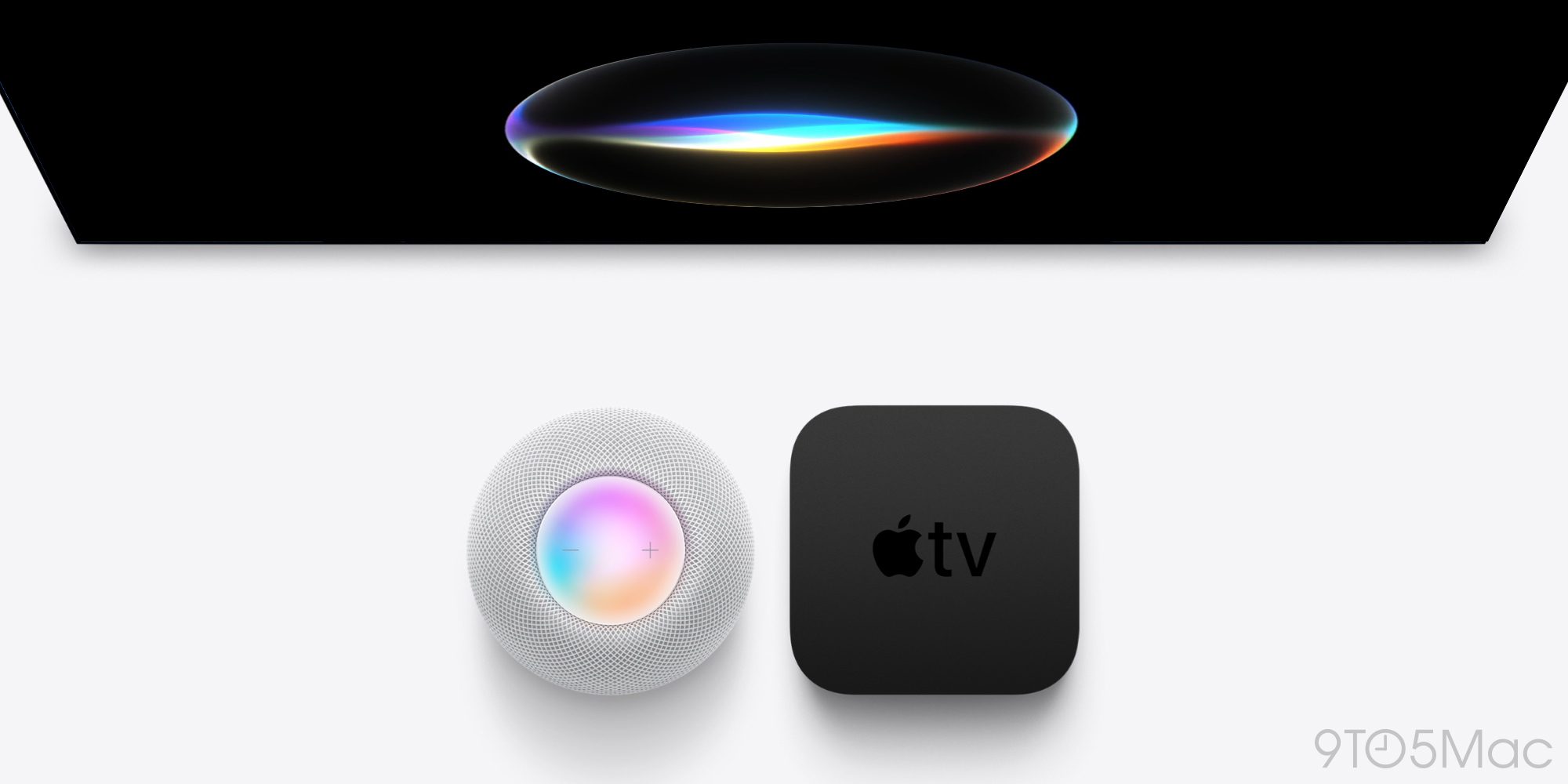
Despite these upgrades, pricing is expected to remain a critical factor. Following the price adjustments seen earlier this summer, the HomePod mini is currently positioned at $129, while the Apple TV 4K starts at $199. Industry observers hope that Apple will maintain these price points even with the more expensive silicon inside, as the company seeks to increase its footprint in the smart home before its competitors further solidify their leads.
The New Frontier: Dedicated Smart Home Hubs and homeOS
Beyond the iteration of existing products, Apple is reportedly preparing to enter an entirely new category for the company: the dedicated smart home display. This project has been in development for several years and represents Apple’s answer to the Google Nest Hub and the Amazon Echo Show. According to supply chain leaks and internal software references, Apple is working on two distinct variants of this hub to suit different home environments.
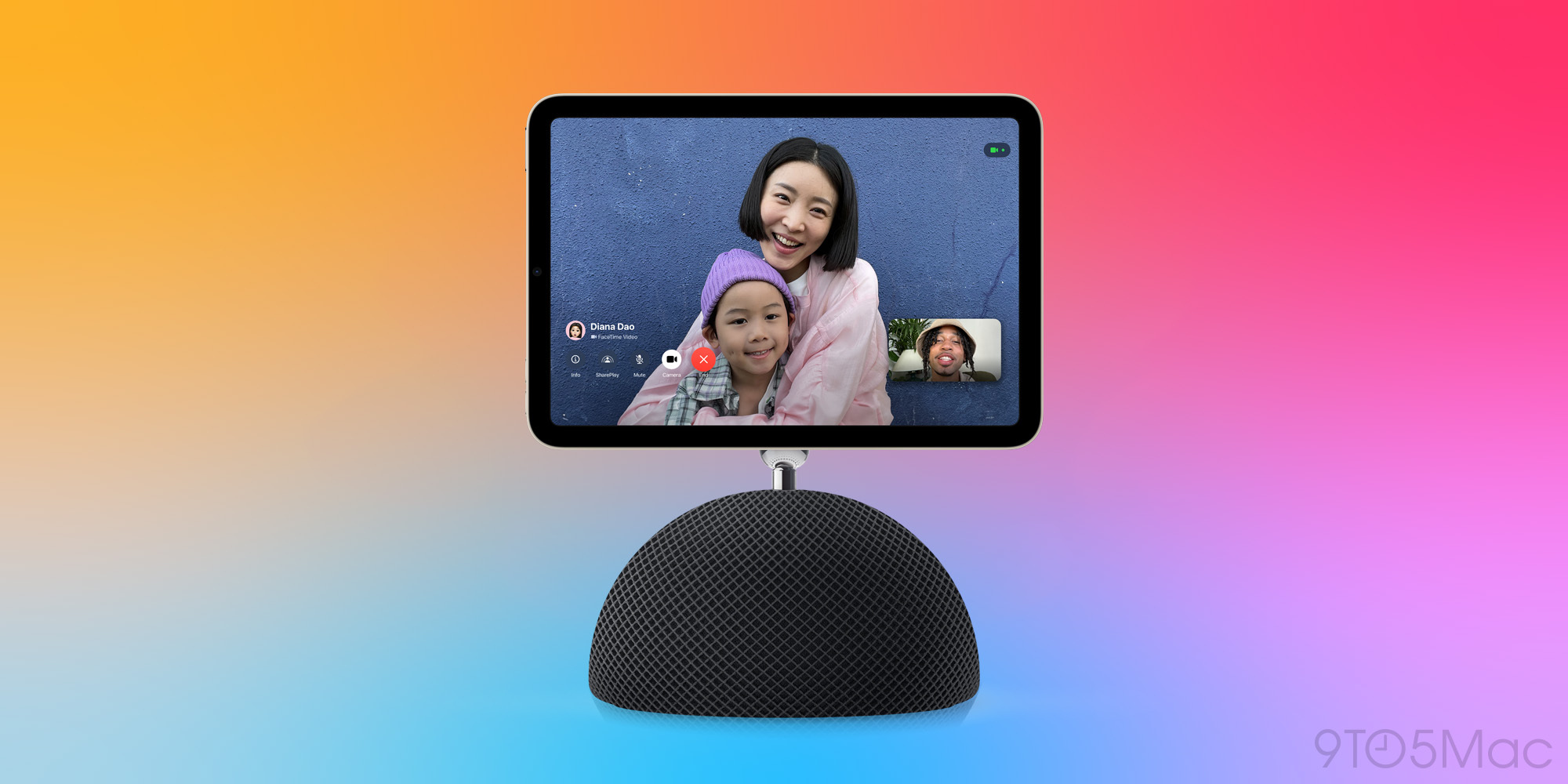
The first version is described as a pure display device. Designed to be mounted to walls via a magnetic system, this product would serve as a central command center for a household. The second version is expected to feature a speaker base, making it a more traditional tabletop companion. Both devices are rumored to sport a 7-inch square display, a form factor that distinguishes them from the more rectangular iPad.
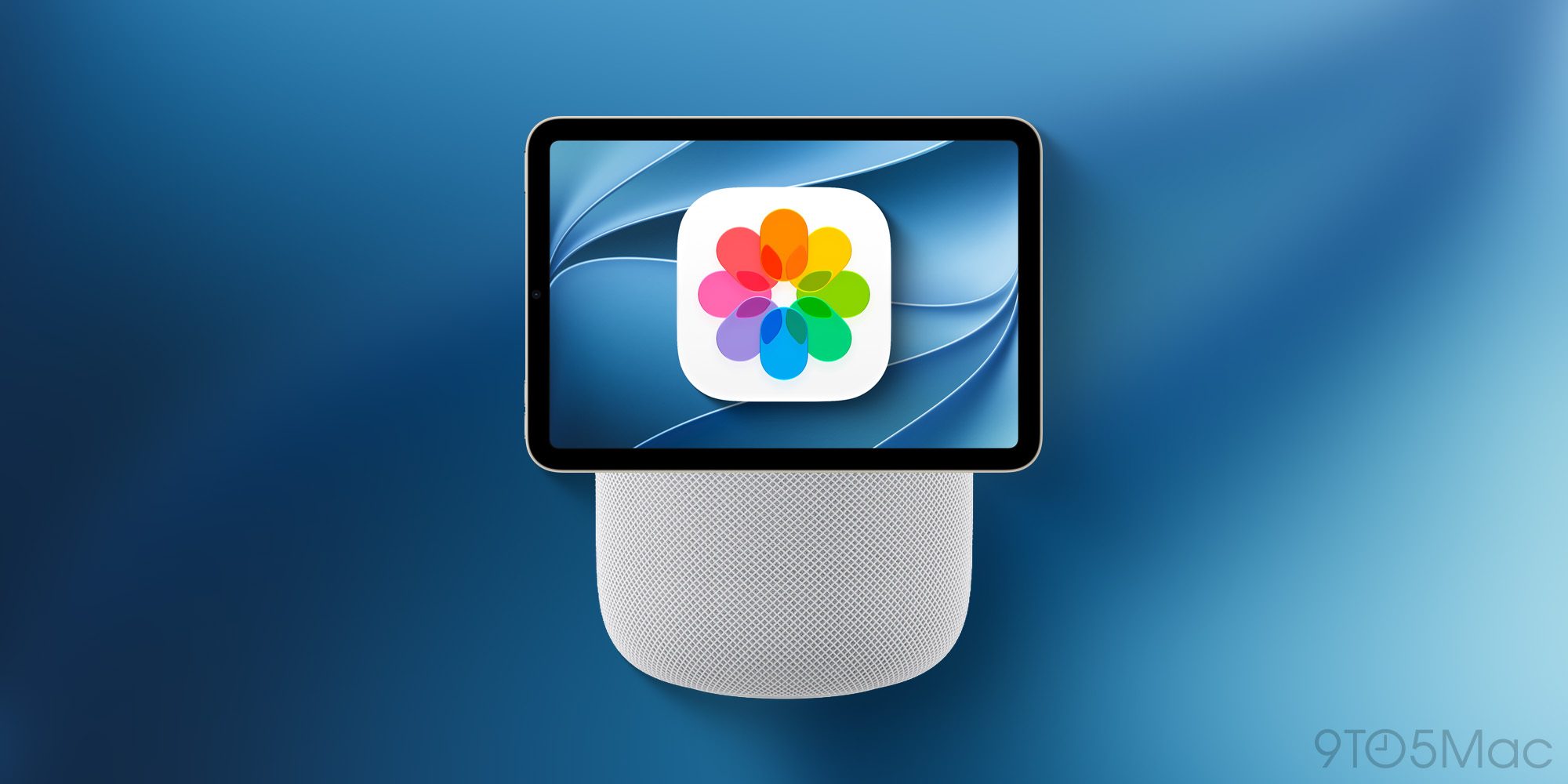
Powering these hubs will be a new operating system, internally dubbed "homeOS." This software is being built specifically for the constraints and requirements of a shared home device. It is expected to support FaceTime calls, high-level Siri AI interactions, and a simplified interface for managing HomeKit-enabled devices. To ensure that these hubs are "future-proof" for the next generation of Apple Intelligence, they are reportedly being tested with the A18 chip, the same silicon expected to power the upcoming flagship iPhone lineup.
This new product category, which many have nicknamed the "HomePad," is expected to debut between October of this year and early next year. Its release would mark a significant shift in Apple’s strategy, moving away from the "headless" interface of the HomePod and toward a more visual, interactive experience for the entire family.
Furthermore, the full-size HomePod is not being left behind. While the second-generation HomePod was released relatively recently, Bloomberg’s Mark Gurman has reported that a successor is already in the works. This future model will likely focus on a chip upgrade to ensure parity with the rest of the Apple Intelligence-enabled lineup, ensuring that Apple’s premium audio offering remains its most capable assistant-driven device.
Long-Term Vision: Accessories and Robotics
Apple’s ambitions for the home do not end with displays and speakers. Looking further down the road toward late 2026 and 2027, the company is reportedly planning to expand into the hardware accessory market. For years, Apple has provided the software framework for smart homes through HomeKit, but it has relied on third-party manufacturers like Logitech, Eve, and Ring to provide the hardware. That is set to change.
The company is currently developing its first first-party smart home accessories, including a security camera and a smart doorbell. By controlling both the hardware and the software, Apple aims to offer a level of integration and privacy that third-party manufacturers struggle to match. These devices would likely leverage Apple’s iCloud infrastructure for secure video storage and use on-device AI to distinguish between family members, pets, and delivery drivers. This move would place Apple in direct competition with Amazon’s Ring and Google’s Nest divisions, turning the smart home into a primary battlefield for the big tech giants.
Perhaps the most ambitious project in Apple’s pipeline is a high-end version of its smart home display that incorporates robotics. This "tabletop robot" is rumored to feature a larger 9-inch display attached to a robotic arm. The arm would allow the screen to tilt, swivel, and follow a user around a room during a FaceTime call or while they are following a recipe in the kitchen.

While a robotic arm might seem like a departure for a company known for minimalist design, it aligns with Apple’s broader interest in combining hardware, software, and AI to create "proactive" technology. Rather than waiting for a user to walk over to a screen, the device could orient itself toward the user the moment it hears a voice command. This project is still in the relatively early stages of development, and while it represents a "moonshot" for the home division, it signals that Apple is no longer content to play catch-up in the smart home space.
The next twenty-four months are shaping up to be the most transformative period for Apple’s home strategy since the original launch of HomeKit. By solving the Siri bottleneck through the implementation of Apple Intelligence, the company is finally clearing the path for a hardware lineup that matches the sophistication of the iPhone and Mac. From modest refreshes of the HomePod mini to the futuristic potential of tabletop robotics, Apple is preparing to make its most aggressive move yet into the center of the modern household.
 Smart Home & IoT Solutions
Apple and LG’s Upcoming Smart Home Accessories to Feature Exclusive Dynamic Island Proximity Controls
As Apple prepares for its highly anticipated "Welcome home" special event scheduled...
 Smart Home & IoT Solutions
The Apple Home Collection: Why Seamless Integration Could Finally Drive Mass Market Smart Home Adoption
In the rapidly evolving world of consumer technology, it is often difficult...
 Smart Home & IoT Solutions
IRobot Re-emerges Under New Ownership with Ambitious Eight-Model Roomba Lineup Following Bankruptcy
In a significant turn of events for the consumer robotics industry, iRobot,...







