
Long-Term Vision: Accessories and Robotics
Apple’s ambitions for the home do not end with displays and speakers. Looking further down the road toward late 2026 and 2027, the company is reportedly planning to expand into the hardware accessory market. For years, Apple has provided the software framework for smart homes through HomeKit, but it has relied on third-party manufacturers like Logitech, Eve, and Ring to provide the hardware. That is set to change.
The company is currently developing its first first-party smart home accessories, including a security camera and a smart doorbell. By controlling both the hardware and the software, Apple aims to offer a level of integration and privacy that third-party manufacturers struggle to match. These devices would likely leverage Apple’s iCloud infrastructure for secure video storage and use on-device AI to distinguish between family members, pets, and delivery drivers. This move would place Apple in direct competition with Amazon’s Ring and Google’s Nest divisions, turning the smart home into a primary battlefield for the big tech giants.
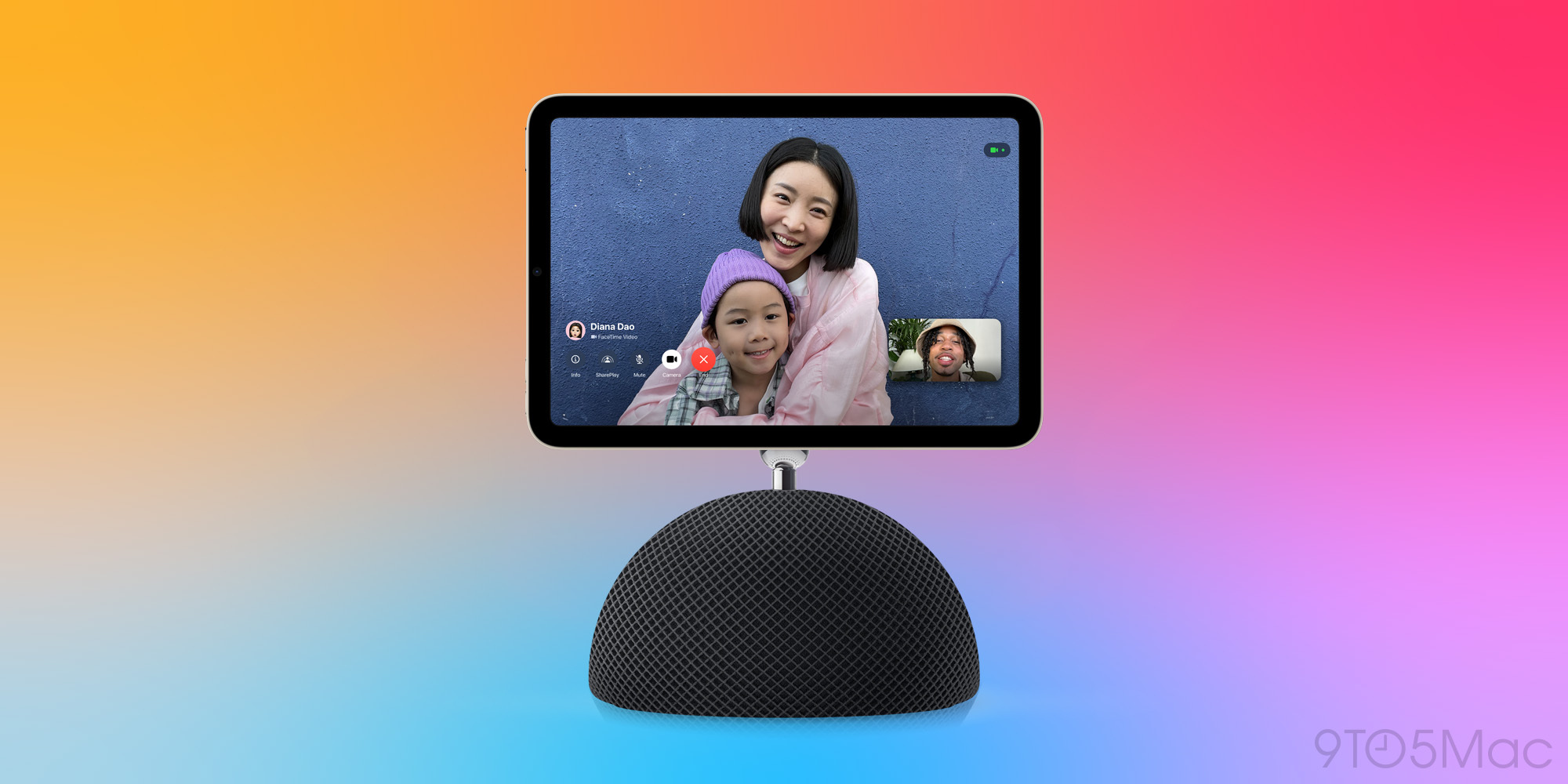
Perhaps the most ambitious project in Apple’s pipeline is a high-end version of its smart home display that incorporates robotics. This "tabletop robot" is rumored to feature a larger 9-inch display attached to a robotic arm. The arm would allow the screen to tilt, swivel, and follow a user around a room during a FaceTime call or while they are following a recipe in the kitchen.

While a robotic arm might seem like a departure for a company known for minimalist design, it aligns with Apple’s broader interest in combining hardware, software, and AI to create "proactive" technology. Rather than waiting for a user to walk over to a screen, the device could orient itself toward the user the moment it hears a voice command. This project is still in the relatively early stages of development, and while it represents a "moonshot" for the home division, it signals that Apple is no longer content to play catch-up in the smart home space.
The next twenty-four months are shaping up to be the most transformative period for Apple’s home strategy since the original launch of HomeKit. By solving the Siri bottleneck through the implementation of Apple Intelligence, the company is finally clearing the path for a hardware lineup that matches the sophistication of the iPhone and Mac. From modest refreshes of the HomePod mini to the futuristic potential of tabletop robotics, Apple is preparing to make its most aggressive move yet into the center of the modern household.
 Smart Home & IoT Solutions
Apple Signals Major Smart Home Pivot with Rumored 2027 Security Service and AI-Driven Hardware
For years, Apple’s presence in the smart home market has been characterized...
 Smart Home & IoT Solutions
Schlage Set to Launch Sense Pro Smart Deadbolt Featuring Ultra Wideband and Apple Home Integration
In an era where the smart home is rapidly evolving from a...
 Smart Home & IoT Solutions
Apple Revolutionizes Smart Home Ecosystem with iOS 27: 4K HomeKit Secure Video and AI-Driven Notifications Lead the Charge
As Apple prepares for its highly anticipated "Welcome Home" special event on...







