
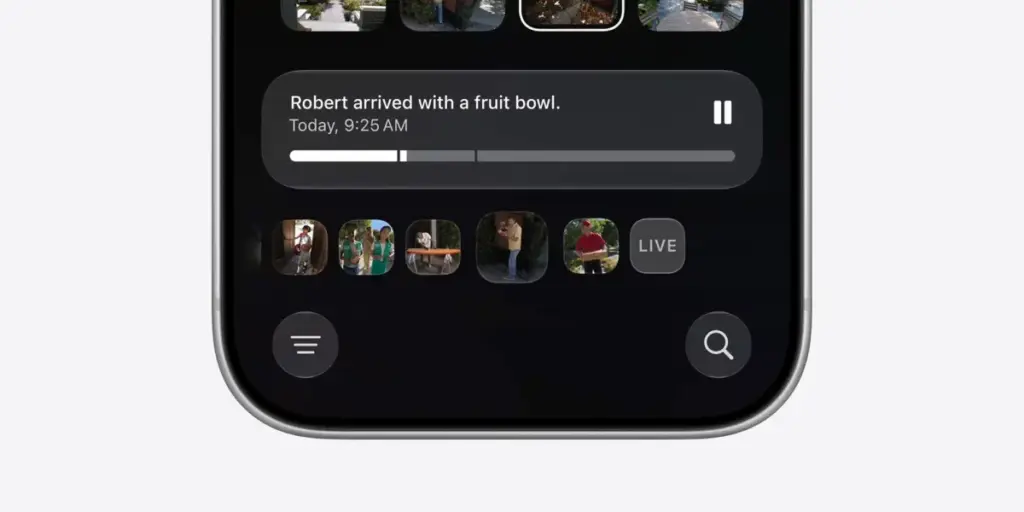
As the development cycle for Apple’s upcoming software ecosystem continues, the release of the third developer beta for macOS 27 has brought to light a significant detail regarding the company’s smart home strategy. Tucked away within the technical documentation and release notes is a requirement that may alter the value proposition for many smart home enthusiasts: to access the latest AI-driven security camera features in the Apple Home app, users will be required to maintain a 2TB iCloud+ subscription.
This discovery, first noted by developers exploring the latest software builds, highlights a growing trend in the tech industry where advanced software capabilities are increasingly tied to recurring service fees. While Apple has long positioned its HomeKit Secure Video (HSV) as a privacy-centric alternative to third-party camera subscriptions, the move to gate new "Apple Intelligence" features behind its most expensive storage tier has sparked a conversation about the rising costs of the modern connected home.
Intelligent Home App Notifications and the User Experience
The suite of features in question was a highlight of this year’s Worldwide Developers Conference (WWDC), where Apple showcased how its move into generative AI and advanced machine learning would manifest in the Home app. One of the most practical applications of this technology is the overhaul of the notification system, which aims to solve a long-standing grievance among smart home users: notification fatigue.
Currently, a standard HomeKit-enabled security camera or video doorbell can be overly communicative. For instance, when a family member returns home, a user might receive a barrage of individual alerts. The sequence often begins with a motion detection notification in the driveway, followed by an alert that the garage door has opened, another when it closes, a person detection alert at the front door, and finally notifications for the unlocking and locking of the smart lock. While accurate, this stream of data can be overwhelming and often leads to users silencing their alerts entirely.
Under the new system introduced for iOS 27 and its sister operating systems, Apple Intelligence is used to synthesize these events into a single, coherent narrative. Instead of six or seven pings, the user receives one intelligent summary: "Robert arrived home." This processing requires the system to understand the context of multiple devices and sensors working in tandem, providing a level of domestic awareness that was previously unavailable in the Home app.
However, the improvements extend beyond mere notification management. Apple also announced a significant technical upgrade to HomeKit Secure Video, moving the ceiling for supported resolutions from 1080p to 4K. To complement this higher fidelity, Apple Intelligence is being employed to analyze footage in ways that mimic human observation.
Among the capabilities highlighted by the company are generated video descriptions. These allow users to understand the contents of a video clip without having to watch the footage manually. For example, rather than scrubbing through several minutes of video to see if a courier left a package in the rain or under a porch, the Home app can provide a text-based summary of the action.
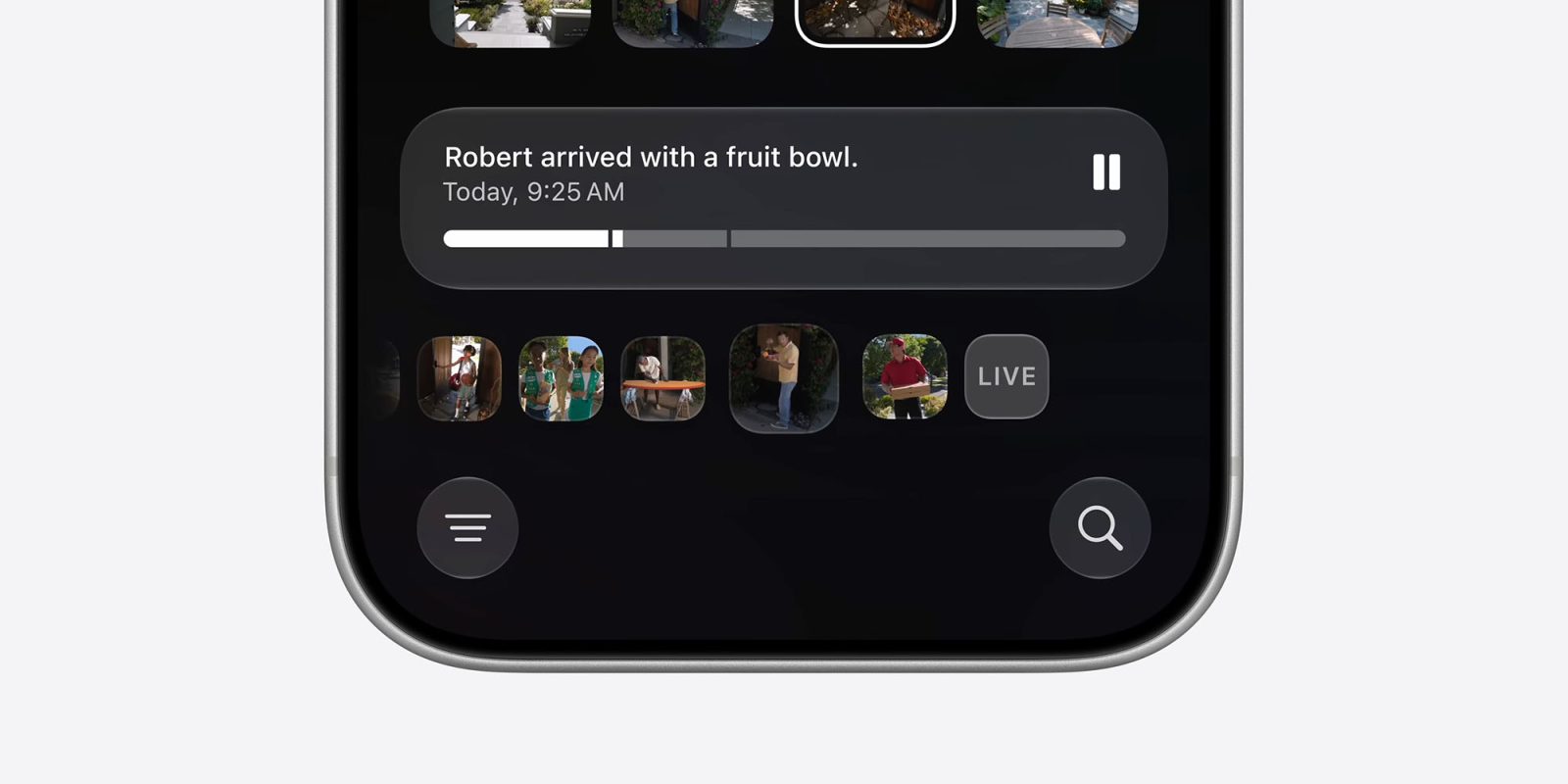
Furthermore, the update introduces an advanced search functionality for camera clips. Users can query their history for specific events, such as "when was the UPS truck here?" or "did a friend drop something off today?" The Home app’s Search page will also proactively elevate "noteworthy" clips—moments the AI deems important, such as a child returning from school or an unrecognized person lingering near a door—so they can be reviewed at a glance.
 Smart Home & IoT Solutions
Schlage Set to Launch Sense Pro Smart Deadbolt with Ultra Wideband Support for Apple Home Users
The landscape of the smart home security market is poised for a...
 Smart Home & IoT Solutions
SwitchBot Unveils Lock Vision Series Featuring 3D Facial Recognition and Native Matter Integration
In the rapidly evolving landscape of smart home security, the transition toward...
 Smart Home & IoT Solutions
Apple Poised to Enter Smart Home Display Market with Design Inspired by Iconic iMac G4
In a move that signals a significant shift in its hardware strategy,...







