
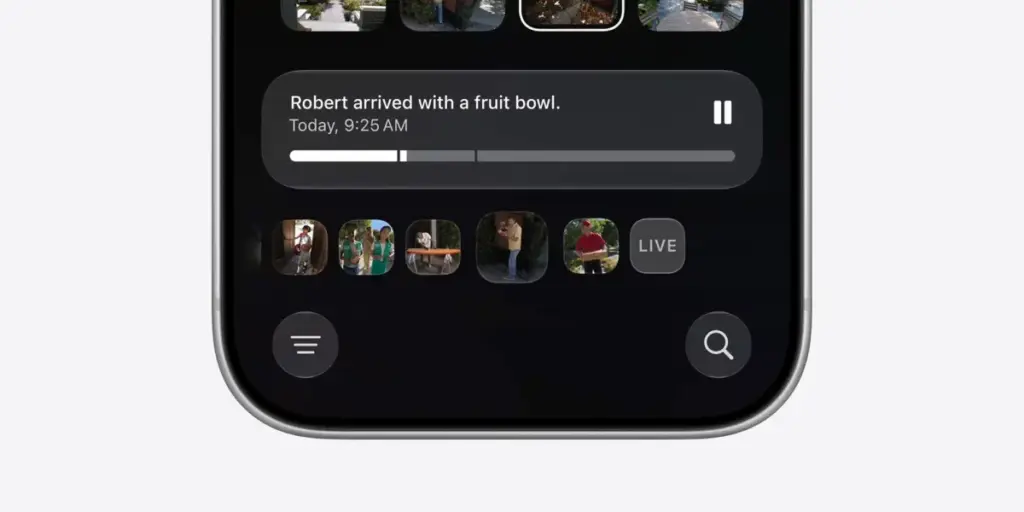
Contextualizing the Subscription Trend
The disappointment expressed by some in the tech community stems from the hope that Apple would remain the "exception to the rule." In an era where even some car manufacturers have experimented with subscriptions for heated seats or faster acceleration, Apple’s ecosystem was often seen as a premium experience where the high cost of the hardware bought a degree of freedom from nickel-and-diming.
However, the reality of maintaining a global cloud infrastructure and developing cutting-edge AI models is expensive. Apple’s "Private Cloud Compute," which handles AI requests that are too complex for on-device processing while maintaining strict privacy standards, requires a massive investment in custom silicon and data center security. From Apple’s perspective, the 2TB subscription may be the only sustainable way to offer these features without compromising on the privacy and security standards that define the brand.
Furthermore, it is worth noting that for a segment of the user base, this change will have no financial impact. Those with large families or extensive photo libraries are often already on the 2TB plan. Similarly, users with six or more cameras are already required to be on the 2TB tier to support that many streams in HomeKit Secure Video. For these "power users," the AI features will arrive as a value-added bonus rather than a new expense.
The friction exists primarily for the middle-market user—the person with two or three cameras who has found the 200GB plan to be the "sweet spot" for their needs. For this demographic, the requirement to upgrade to a plan with ten times the storage they might actually need feels less like a technical necessity and more like a forced upsell.
Looking Ahead to the Public Release
As macOS 27 and iOS 27 move toward their public release in the fall, it remains to be seen if Apple will adjust these requirements based on developer feedback. The company has, on occasion, tweaked its service tiers or feature availability during the beta process, though changes to core subscription requirements are rare.
For now, the message from Cupertino is clear: the future of the smart home is intelligent, contextual, and high-definition—but it comes at a premium. As Apple Intelligence begins to weave its way through the entire Apple ecosystem, from Siri to the Home app, users will increasingly have to weigh the benefits of these advanced features against the monthly cost of the cloud that powers them.
The shift also places more pressure on third-party camera manufacturers. If the "Apple tax" for advanced features becomes too high, users might look back toward brand-specific subscriptions or local-storage-only solutions that bypass the cloud entirely. For the time being, however, Apple seems confident that the convenience of a unified, AI-enhanced Home app will be enough to convince users that $9.99 a month is a price worth paying for a smarter, more secure home.
 Smart Home & IoT Solutions
Apple Prepares for Major Smart Home Expansion as Siri AI Sets the Stage for New Hardware
For the better part of the last decade, Apple’s presence in the...
 Smart Home & IoT Solutions
Apple Ties New AI-Powered Home Security Features to Premium 2TB iCloud+ Subscription Tier
As Apple continues to integrate its sophisticated "Apple Intelligence" suite across its...
 Smart Home & IoT Solutions
Apple Reimagines the Smart Home with iOS 27: 4K Video Support and Intelligence-Driven Notifications Take Center Stage
As Apple prepares for what is rumored to be one of its...






