For years, Apple’s presence in the smart home market has been characterized by a cautious, privacy-first approach that many critics argued came at the expense of feature parity with rivals like Amazon and Google. While the HomeKit ecosystem provided a secure framework for third-party accessories, Apple’s own hardware offerings remained relatively sparse, limited primarily to the HomePod and Apple TV. However, recent reports indicate that the Cupertino-based tech giant is preparing to transition from a supporting player to a dominant force in the home automation industry.
A new report from Bloomberg’s Mark Gurman suggests that Apple is not only overhauling its current lineup of home hardware but is also developing a comprehensive home security and monitoring service slated for a 2027 release. This move represents a significant strategic shift, as it marks Apple’s intent to move beyond hardware sales and into the lucrative world of recurring service revenue within the home security sector.
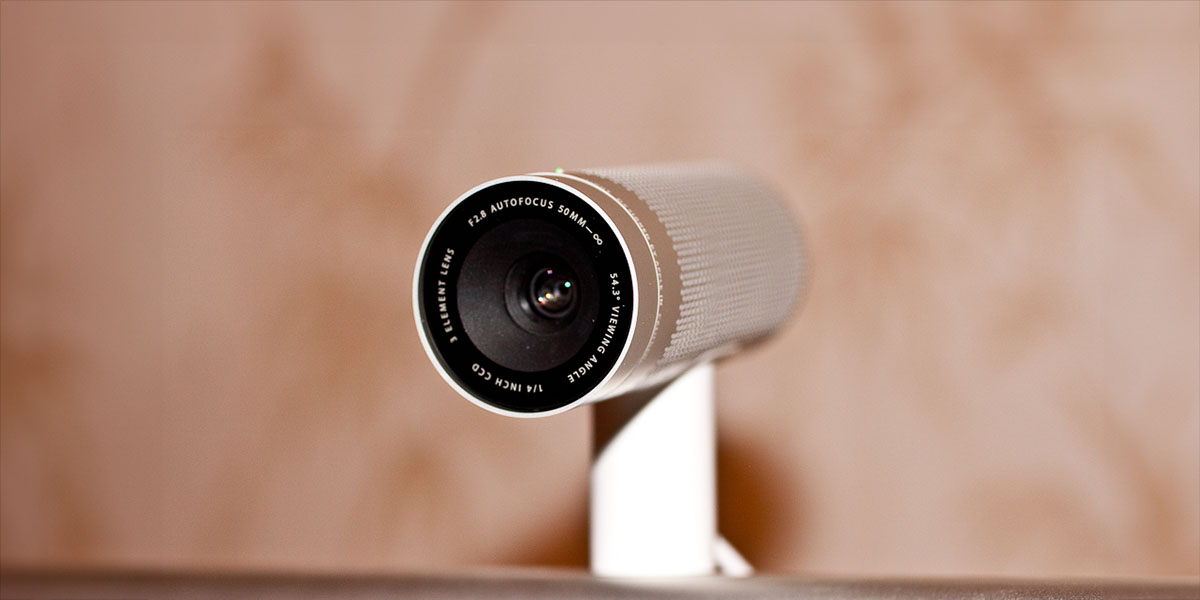
The centerpiece of this long-term strategy appears to be a specialized in-home security sensor and system. Unlike traditional security cameras that rely on constant video streaming to the cloud, Apple is reportedly developing a privacy-centric device that leverages advanced artificial intelligence to monitor a home’s environment. The most striking detail of this upcoming hardware is its focus on non-visual monitoring; the system is expected to analyze the surrounding environment without necessarily relying on traditional video footage, thereby addressing the long-standing consumer anxiety regarding indoor surveillance.
A New Pillar for Apple Services
The revelation of a dedicated monitoring service is perhaps the most critical component of Apple’s roadmap. While Apple currently offers HomeKit Secure Video as part of its iCloud+ subscriptions—allowing users to store encrypted footage from third-party cameras—the report points toward a more robust, standalone security and monitoring service.
In the current market, companies like Amazon (through Ring) and Google (through Nest) offer tiered subscription models that provide professional monitoring, extended video history, and automated emergency responses. By introducing its own monitoring service, Apple would be positioned to capture a larger share of the smart home economy. Industry analysts suggest that such a service could be seamlessly integrated into the Apple One bundle, providing a powerful incentive for families already entrenched in the Apple ecosystem to consolidate their digital and physical security under one provider.
The decision to target 2027 for this launch suggests that Apple is taking the necessary time to refine the underlying technology. Developing an AI-driven system capable of accurately identifying threats, medical emergencies, or unauthorized entries without the invasive nature of standard video recording requires significant computational power and sophisticated edge-processing capabilities. This timeline also allows Apple to build the necessary infrastructure to support a professional monitoring backend, should the company choose to offer live dispatch services similar to traditional security firms.
 Smart Home & IoT Solutions
Controller for HomeKit Introduces Generative AI to Simplify Complex Smart Home Automations
The landscape of smart home management is undergoing a significant shift as...
 Smart Home & IoT Solutions
Apple Signals Major Smart Home Pivot with Rumored 2027 Security Service and AI-Driven Hardware
For years, Apple’s presence in the smart home market has been characterized...
 Smart Home & IoT Solutions
Apple Prepares for Major Smart Home Expansion as Siri AI Sets the Stage for New Hardware
For the better part of the last decade, Apple’s presence in the...