
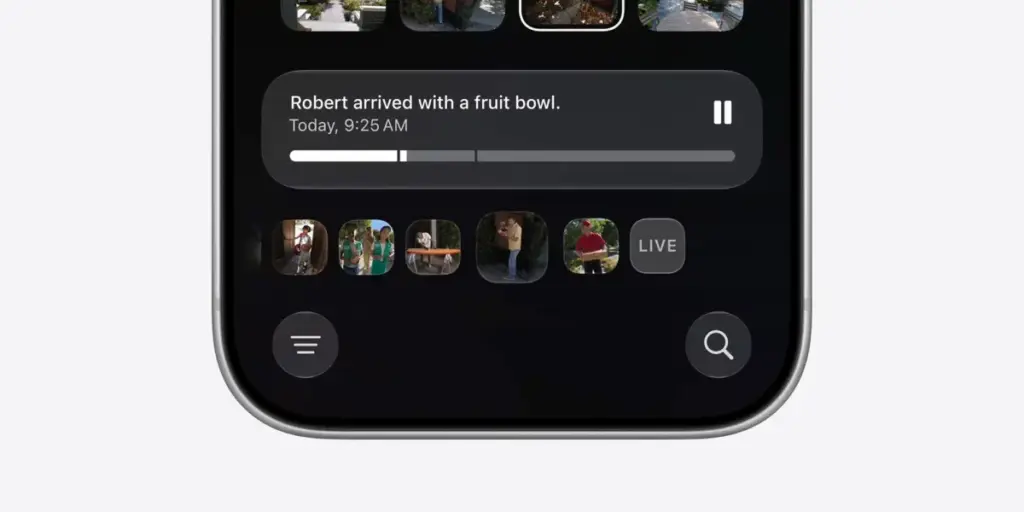
As the technology industry continues its aggressive pivot toward artificial intelligence, the transition from experimental software to consumer-ready products is increasingly being defined by new monetization strategies. Apple, a company that has long prided itself on integrating hardware and software to create seamless user experiences, is now facing scrutiny over the pricing structure of its latest smart home innovations. Documentation discovered within the developer release notes for the third beta of macOS 27 has revealed a significant caveat for users hoping to utilize the next generation of home security features: a top-tier 2TB iCloud+ subscription is mandatory.
The revelation, which was first identified in the fine print of the latest developer builds, clarifies the hardware and service requirements for the upcoming suite of Apple Intelligence features integrated into the Home app. While Apple’s World Wide Developer Conference (WWDC) earlier this summer showcased a future where the Home app becomes significantly more intuitive and capable, the cost of entry for these specific "intelligent" features appears to be higher than many early adopters had anticipated.
The Evolution of the Intelligent Home App
At the heart of this development are several AI-powered upgrades designed to streamline the often-cluttered experience of managing home security cameras. Currently, users with HomeKit-enabled cameras often deal with "notification fatigue." A single event—such as a family member returning home—can trigger a cascade of individual alerts. A user might receive a notification that motion was detected in the driveway, followed by an alert that the garage door opened, then another that the garage door closed, and finally a notification that the front door was unlocked.
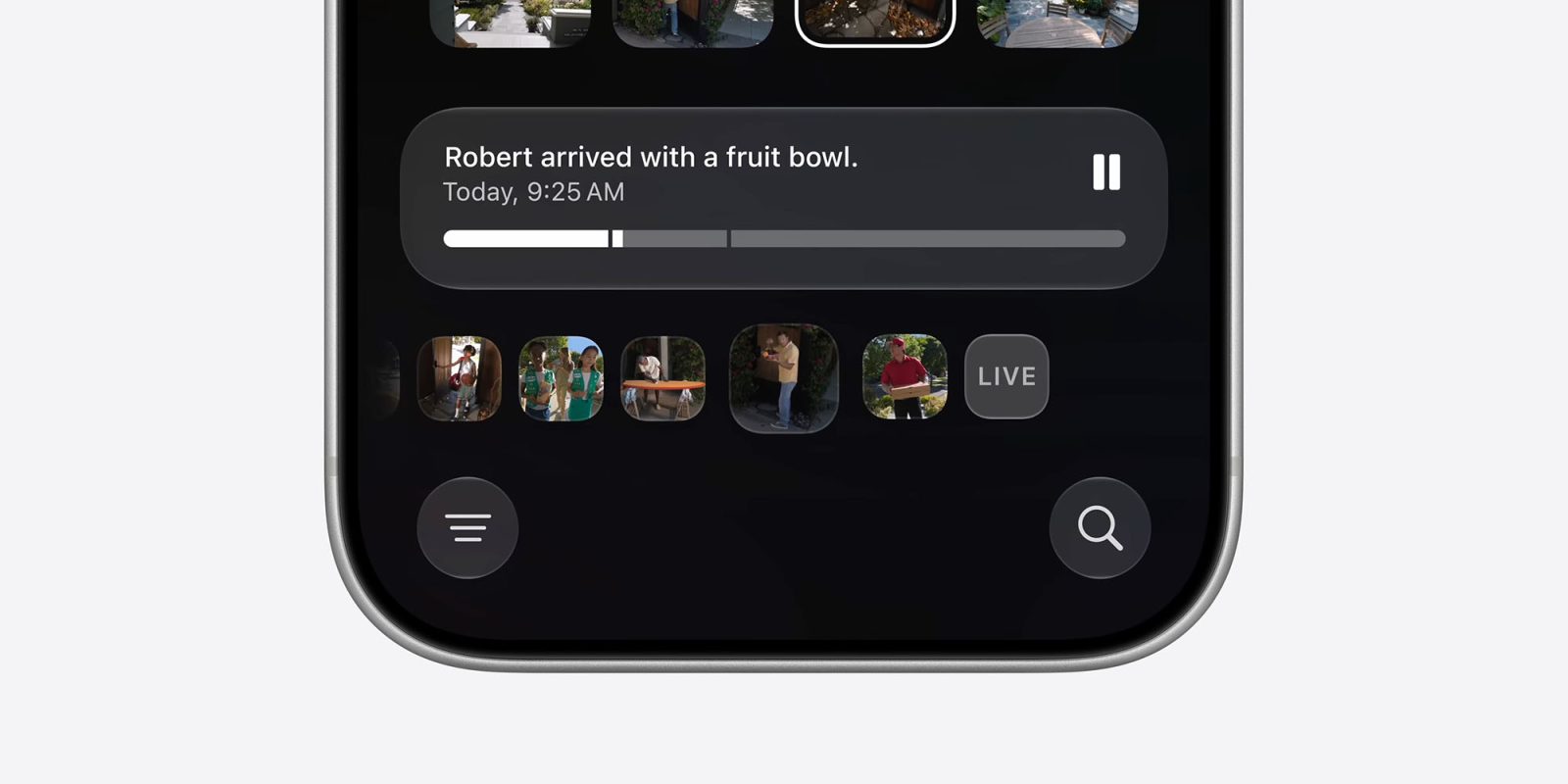
Under the new system slated for release with iOS 27 and macOS 27, Apple Intelligence aims to synthesize these disparate data points into a single, coherent summary. Instead of six pings, the user receives one intelligent notification: "Robert arrived home." This move toward contextual awareness represents a major leap for Apple’s smart home ecosystem, shifting the platform from a passive receiver of sensor data to an active interpreter of household activity.
Beyond notification summaries, Apple is introducing a substantial technical upgrade to its HomeKit Secure Video (HKSV) protocol. For the first time, the service will support 4K resolution, a significant jump from the long-standing 1080p limitation that has frustrated users with high-end camera hardware. This resolution boost is paired with three core AI-driven capabilities: generated video descriptions, intelligent search, and highlighted clips.
Generated video descriptions allow users to read a text-based summary of a recorded event without needing to scrub through the footage manually. The search functionality has been similarly overhauled, allowing users to query their history for specific events, such as "find the clip of the package delivery" or "when did the dog go into the backyard?" Finally, the Home app will now curate "noteworthy clips" at the top of the interface, using machine learning to prioritize events that the system deems important, such as a friend dropping off a gift or an unrecognized person approaching the property.
The 2TB Requirement and the Subscription Hurdle
While these features were met with enthusiasm during their initial unveiling, the requirement of a 2TB iCloud+ plan adds a layer of financial complexity. According to the release notes found in macOS 27 beta 3, the activation of Apple Intelligence features within the Home app—regardless of whether the user is accessing them via iPhone, iPad, or Mac—is tethered to Apple’s $9.99 per month storage tier.
This requirement marks a shift in how Apple segments its cloud services. Currently, HomeKit Secure Video is already a tiered service. Users on the 50GB iCloud+ plan ($0.99/month) can support a single camera, while the 200GB plan ($2.99/month) supports up to five cameras. The 2TB plan ($9.99/month) has historically been the requirement for those wishing to connect an unlimited number of cameras.
The new policy, however, implies that even a user with a single camera who wishes to utilize the AI-generated summaries or 4K recording capabilities must jump directly to the 2TB tier. For a consumer who may only have a single video doorbell or one backyard camera, the leap from a $0.99 or $2.99 monthly commitment to nearly $10 represents a significant increase in the total cost of ownership for their smart home setup.
Industry analysts suggest that the move may be driven by the high computational and storage costs associated with processing 4K video and running large-scale AI models. While Apple has emphasized that much of its "Apple Intelligence" processing happens on-device to protect user privacy, the analysis of high-resolution video streams often requires a hybrid approach involving secure cloud compute resources. By gating these features behind the 2TB tier, Apple may be attempting to offset the infrastructure costs required to maintain a secure, encrypted cloud environment capable of handling such data-heavy tasks.
The "Subscription Era" of Home Security
The decision to link AI features to a high-capacity subscription plan places Apple in a delicate position relative to its competitors. For years, one of the primary selling points of the HomeKit ecosystem was the ability to bypass the expensive monthly fees charged by other security camera manufacturers. Brands like Ring, Nest, and Arlo typically require recurring subscriptions to access cloud recording, person detection, and advanced notification features.
HomeKit Secure Video was seen as a value-added service for those already paying for iCloud storage for their photos and device backups. By moving toward a more restrictive tier for AI features, Apple is narrowing the gap between its business model and that of the traditional security companies it once disrupted.
For many users, the frustration lies in the perceived trend of "subscription creep." In the modern tech landscape, hardware purchases are increasingly viewed as entry tickets into a world of recurring payments. While the hardware—the cameras and the hubs—may be owned by the user, the intelligence that makes that hardware useful is being treated as a service.

There is also the matter of the existing 2TB user base. For those who already subscribe to the $9.99 plan—perhaps to house a massive family photo library or to support a dozen cameras across a large property—the addition of AI summaries and 4K support is an objective upgrade with no additional cost. For these power users, the move is a net positive. However, for the average consumer with a more modest setup, the paywall may feel like an unnecessary barrier to features that are increasingly becoming standard in the industry.
Privacy as a Premium Product
Apple has long positioned privacy as a fundamental human right, and this philosophy extends to its home security offerings. HomeKit Secure Video uses end-to-end encryption to ensure that only the user and those they invite can view the footage; not even Apple has access to the raw video data.
Maintaining this level of privacy while performing complex AI analysis—such as identifying specific people or describing the contents of a video—is a non-trivial engineering feat. Apple Intelligence is designed to perform much of this work via "Private Cloud Compute," which uses specialized Apple silicon servers to process data without ever storing it or making it accessible to the company.
The cost of building and maintaining this private infrastructure is likely a contributing factor to the 2TB requirement. Unlike competitors who may monetize user data or use it to train their models, Apple’s business model relies on direct service revenue. In this context, the $9.99 monthly fee can be viewed as the price of a "privacy-first" AI experience. Nevertheless, the optics of requiring a high-tier storage plan for software-based features remain a point of contention among the enthusiast community.
Looking Toward the Official Release
As macOS 27 and iOS 27 move through the beta cycle, there is always the possibility that Apple could adjust its requirements based on developer feedback. However, given the specific language in the current release notes, it appears the company has a clear vision for how it intends to monetize its AI investments.
For the smart home enthusiast, the coming months will require a cost-benefit analysis. The convenience of "Robert arrived home" notifications and the clarity of 4K video are undoubtedly attractive, but they now come with a clear price tag. As the Home app evolves into a more sophisticated command center, the "Apple Tax" is evolving with it, shifting from the price of the hardware on the shelf to the monthly cost of the intelligence in the cloud.
The broader implications for the smart home market are significant. If Apple successfully migrates a large portion of its user base to higher-tier subscriptions, it may signal to other manufacturers that AI features are the key to unlocking long-term recurring revenue. For now, users will have to decide if the promise of a smarter, more summarized home is worth the $120 annual investment.
 Smart Home & IoT Solutions
Controller for HomeKit Introduces Generative AI to Simplify Complex Smart Home Automations
The landscape of smart home management is undergoing a significant shift as...
 Smart Home & IoT Solutions
Apple Ties New AI-Powered Home Security Features to Premium 2TB iCloud+ Subscription Tier
As Apple continues to integrate its sophisticated "Apple Intelligence" suite across its...
 Smart Home & IoT Solutions
Apple Revolutionizes Smart Home Ecosystem with iOS 27: 4K HomeKit Secure Video and AI-Driven Notifications Lead the Charge
As Apple prepares for its highly anticipated "Welcome Home" special event on...






