
Privacy as a Premium Product
Apple has long positioned privacy as a fundamental human right, and this philosophy extends to its home security offerings. HomeKit Secure Video uses end-to-end encryption to ensure that only the user and those they invite can view the footage; not even Apple has access to the raw video data.
Maintaining this level of privacy while performing complex AI analysis—such as identifying specific people or describing the contents of a video—is a non-trivial engineering feat. Apple Intelligence is designed to perform much of this work via "Private Cloud Compute," which uses specialized Apple silicon servers to process data without ever storing it or making it accessible to the company.
The cost of building and maintaining this private infrastructure is likely a contributing factor to the 2TB requirement. Unlike competitors who may monetize user data or use it to train their models, Apple’s business model relies on direct service revenue. In this context, the $9.99 monthly fee can be viewed as the price of a "privacy-first" AI experience. Nevertheless, the optics of requiring a high-tier storage plan for software-based features remain a point of contention among the enthusiast community.
Looking Toward the Official Release
As macOS 27 and iOS 27 move through the beta cycle, there is always the possibility that Apple could adjust its requirements based on developer feedback. However, given the specific language in the current release notes, it appears the company has a clear vision for how it intends to monetize its AI investments.
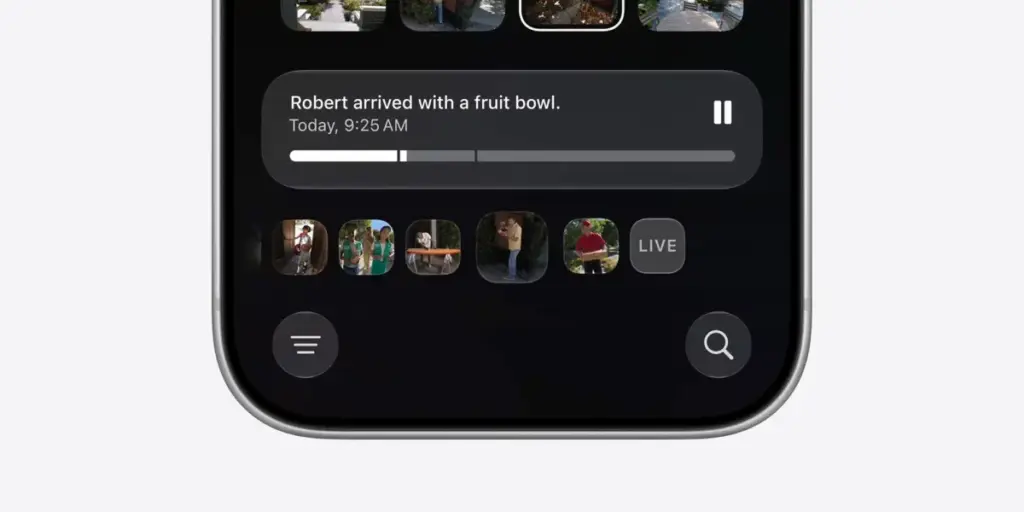
For the smart home enthusiast, the coming months will require a cost-benefit analysis. The convenience of "Robert arrived home" notifications and the clarity of 4K video are undoubtedly attractive, but they now come with a clear price tag. As the Home app evolves into a more sophisticated command center, the "Apple Tax" is evolving with it, shifting from the price of the hardware on the shelf to the monthly cost of the intelligence in the cloud.
The broader implications for the smart home market are significant. If Apple successfully migrates a large portion of its user base to higher-tier subscriptions, it may signal to other manufacturers that AI features are the key to unlocking long-term recurring revenue. For now, users will have to decide if the promise of a smarter, more summarized home is worth the $120 annual investment.
 Smart Home & IoT Solutions
Schlage Set to Launch Sense Pro Smart Deadbolt with Ultra Wideband Support for Apple Home Users
The landscape of the smart home security market is poised for a...
 Smart Home & IoT Solutions
Apple Intelligence in the Home: New AI Security Features Require Top-Tier iCloud+ Subscription
As the development cycle for Apple’s upcoming software ecosystem continues, the release...
 Smart Home & IoT Solutions
Apple Partners with LG for Major Smart Home Expansion Featuring New Cameras, Locks, and Thermostats
In a significant strategic shift for its domestic technology ecosystem, Apple is...






