
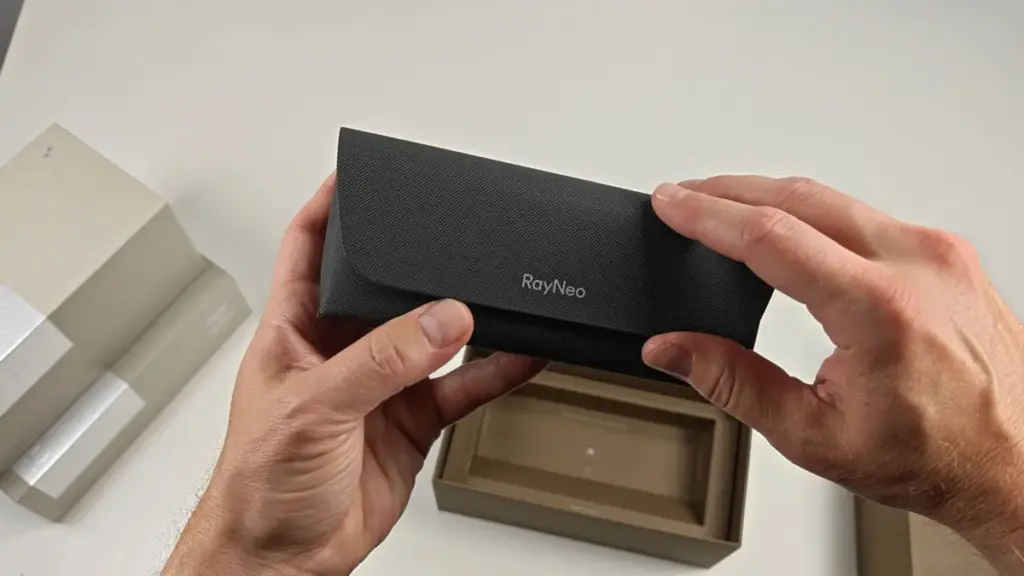
Under the hood, the RayNeo GT utilizes the Vision 4000 chipset, a dedicated piece of silicon designed to handle the heavy lifting of image processing. This chipset enables several high-end features that elevate the viewing experience beyond simple screen mirroring. One of the most notable is the SDR-to-HDR conversion, which uses algorithms to enhance the dynamic range of standard definition content, making colors pop and improving contrast on the native 10-bit micro-OLED displays.
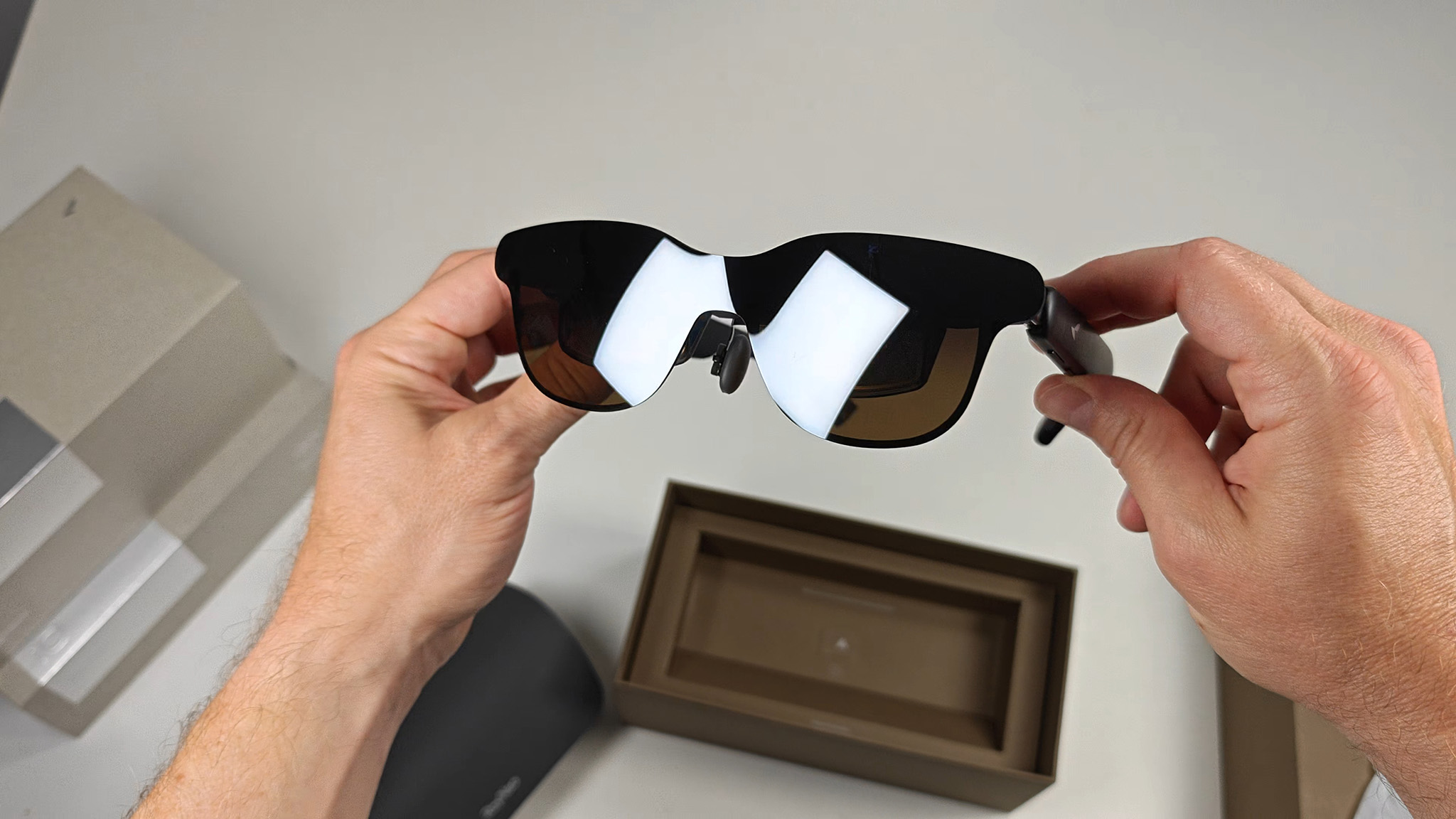
For users sensitive to screen flicker, the RayNeo GT introduces a 3840Hz PWM (Pulse Width Modulation) dimming rate. High-frequency PWM dimming is a critical feature for eye health, as it reduces the invisible flickering that can lead to headaches and eye fatigue during extended use. This puts the RayNeo GT at the top of its class for visual comfort, especially for users who plan to use the glasses as a primary monitor for work or long-haul travel.
The display also boasts software support for 12-bit Dolby Vision content. When paired with the RayNeo Pocket TV—a dedicated companion device that functions as a Google TV remote and streaming hub—the glasses can render incredibly deep color profiles and high-contrast scenes that rival high-end television sets.
Native 3DoF Tracking and Spatial Modes
The most significant internal upgrade is the inclusion of a new native 3DoF (Three Degrees of Freedom) spatial tracking chip. In previous generations of smart glasses, spatial tracking was often handled by a connected smartphone or an external processing unit, which could lead to latency or jitter. By integrating this capability directly into the glasses, RayNeo has provided a much smoother and more responsive experience.
Users can toggle between three distinct tracking modes via a dedicated button located on the top of the right temple. The "Steady" mode keeps the virtual screen locked in front of the user’s gaze but filters out micro-movements of the head to prevent motion sickness. The "Anchor" mode allows the screen to be fixed at a specific point in virtual space, meaning the user can look away from the screen and back again as if it were a physical monitor sitting on a desk. Finally, the "Follow" (or 0DoF) mode allows the screen to move perfectly in sync with the user’s head movements.
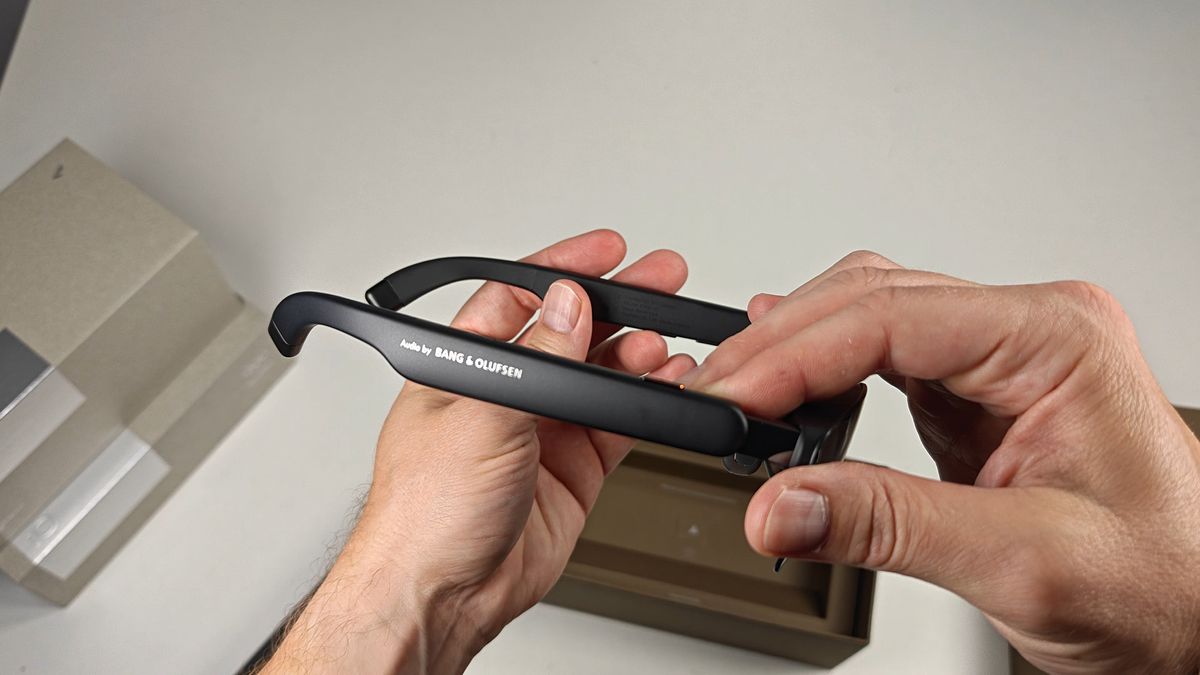
While the 3DoF modes offer a more immersive "spatial" feel, they do introduce a technique known as black frame insertion (low-persistence flickering) to maintain image stability. For users who are particularly sensitive to flicker, the 0DoF Follow mode remains the best option for a completely flicker-free experience. The ability to switch between these modes on the fly gives the RayNeo GT a level of versatility that is essential for different use cases, such as watching a movie in a vibrating airplane cabin versus using the glasses as a stationary second monitor in a coffee shop.
A High-Fidelity Audio Partnership
 Mobile Device Management (MDM) & Mobile OS
Google Reportedly Developing Next-Generation TV Streamer with Hands-Free Voice Controls and Presence Sensing
The landscape of home entertainment is shifting once again as reports emerge...
 Mobile Device Management (MDM) & Mobile OS
Samsung Announces Shutdown of Samsung Sound App as Part of Broader Ecosystem Consolidation
Samsung is continuing its aggressive efforts to streamline its mobile and smart...
 Mobile Device Management (MDM) & Mobile OS
Google Photos Users Report Crippling App Freezes on Pixel Devices Following Latest AI Update
The Google Pixel ecosystem has long been celebrated for its seamless integration...







