
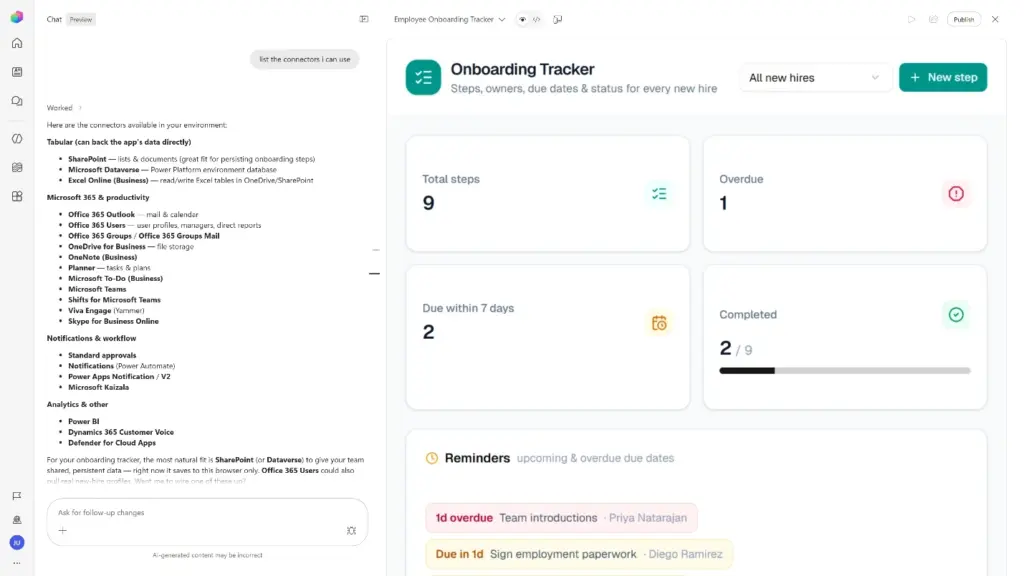
The landscape of software development is undergoing a fundamental transformation, driven by the rapid evolution of generative artificial intelligence. For decades, the ability to build functional software was a skill reserved for those with years of specialized training in programming languages and system architecture. However, a new era of "agentic coding" is emerging, effectively democratizing the creation of digital tools. Microsoft, a long-standing leader in both enterprise software and developer tools, has announced a significant leap forward in this space by introducing natural language app-building capabilities within Copilot Cowork and Copilot Studio.
This latest development signals a shift from AI as a mere assistant to AI as a foundational builder. Under the new framework, individuals who have never written a single line of code can now translate a business concept into a working application in a matter of minutes. By simply describing an idea through a conversational interface, users can trigger complex agentic solutions that handle the underlying logic, structure, and deployment of software. Yet, as Microsoft points out, the mere generation of an application is only the first step in solving modern business challenges. For an app to be truly useful within a corporate environment, it must be more than a standalone tool; it must be integrated, secure, and governed.
The Challenge of Enterprise-Ready Applications
While the market has seen a surge in AI tools capable of generating code snippets or simple prototypes, the enterprise sector requires a much higher standard of reliability. To solve real-world business problems, applications must be able to connect seamlessly to existing enterprise data and legacy systems. They must operate within strict security protocols to protect sensitive information and fit naturally into the established workflows that employees use every day.
Furthermore, as the barrier to entry for app creation drops, IT departments face a growing challenge. The rise of "citizen developers"—non-technical employees building their own solutions—can lead to a fragmented digital ecosystem often referred to as "shadow IT." Without proper oversight, these bespoke applications can create security vulnerabilities or data silos. Microsoft’s new initiative aims to address these concerns by bringing agentic app creation into the same trusted, connected enterprise platform that organizations already utilize for their daily operations.
By integrating these capabilities into Copilot Studio and Copilot Cowork, Microsoft is providing a path for rapid innovation that does not sacrifice institutional control. The goal is to empower the workforce to build the tools they need while giving IT administrators the visibility and governance tools required to manage those solutions confidently at scale.

A Conversational Approach to Software Construction
The core of this new experience is the shift toward a conversational interface for development. In Copilot Studio, users can now select an "App (Preview)" option directly from the home screen. In the collaborative environment of Copilot Cowork, the process is even more integrated; users can invoke a new "/app" skill directly within their active chat sessions. This functionality is currently being made available to participants in the Microsoft Frontier program, a group dedicated to exploring the leading edge of Microsoft’s AI capabilities.
 Productivity Software & Office Suites
Microsoft Unveils Microsoft 365 G7: A New Frontier for AI-Driven Governance in the Public Sector
In a move designed to redefine how the public sector interacts with...
 Productivity Software & Office Suites
Microsoft to Headline ESPC 2026 in Amsterdam: A Deep Dive into the Future of AI-Powered Work and Agentic Ecosystems
The landscape of enterprise technology is currently undergoing one of its most...
 Productivity Software & Office Suites
Microsoft Reports 30 Million Paid Copilot Seats as Enterprise AI Shifts from Assistance to Autonomy
In a recent earnings call that signaled a pivotal moment for the...







