
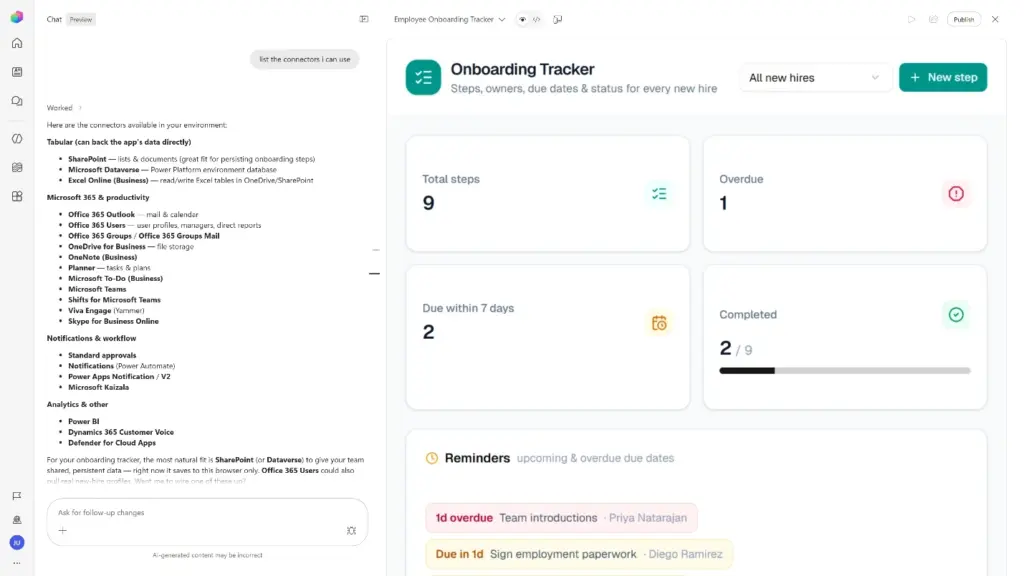
These applications can utilize Git-backed source control, allowing for sophisticated version management. Development teams can use deployment stages and version isolation, ensuring that updates and improvements can be tested in a sandbox environment without disrupting the live experience for end-users. This brings a level of professional rigor to AI-generated software that was previously difficult to achieve.
Security is handled through integration with Microsoft Entra, the company’s identity and access management solution. By default, the apps respect existing organizational data policies and connector restrictions. This means that if an employee does not have permission to access certain data through standard channels, an AI-built app will not grant them a "backdoor" to that information.
To manage this growing inventory of tools, IT administrators are provided with centralized visibility through the Microsoft 365 admin center. From this dashboard, admins can view a complete inventory of published apps and exercise operational controls. This oversight allows them to govern, secure, and manage the entire lifecycle of an application, from its initial creation to its eventual retirement. This balance allows makers to focus on solving problems through innovation while IT maintains the necessary guardrails.
Availability and the Path Forward

The rollout of these features is already underway. Users interested in exploring the conversational app-building experience can join the Microsoft Frontier program to access the /app skill within Copilot Cowork. For those looking to use these tools natively within Copilot Studio, Microsoft has confirmed that the public preview will be rolling out to environments over the coming week.
Once the feature is live in a specific environment, users will find an "apps" tile within Copilot Studio, serving as the gateway to this new building experience. Microsoft also clarified the economic model for these tools, noting that app building and execution will follow a usage-based billing model, aligning costs with actual organizational consumption.
When an application is finalized and published, it becomes discoverable for users at a dedicated portal: managedapps.cloud.microsoft.com. This provides a centralized hub for employees to find and utilize the shared, enterprise-ready applications created by their colleagues.
By bringing together apps, autonomous agents, and automated workflows within a single platform, Microsoft is attempting to provide a comprehensive toolkit for the modern digital enterprise. The company emphasizes that this is an iterative process, and they intend to continue refining the experience based on feedback from the initial wave of enterprise customers. As the line between "using" software and "creating" software continues to blur, the integration of agentic coding into the standard business toolkit marks a significant milestone in how organizations approach digital transformation.
 Productivity Software & Office Suites
Microsoft Reimagines Copilot as a Central Hub for AI-Driven Work and Autonomous Agents
In a significant shift for the future of digital productivity, Microsoft has...
 Productivity Software & Office Suites
Microsoft Unveils Reimagined Copilot with Agentic Capabilities and New "Autopilot" Digital Teammate
Microsoft has announced a sweeping overhaul of its Copilot platform, signaling a...
 Productivity Software & Office Suites
Microsoft Unveils the "New Copilot" Ecosystem: Integrating Autonomous Agents, Custom Code, and Advanced Office Workflows
REDMOND, Wash. — In a major step toward redefining the intersection of...






