
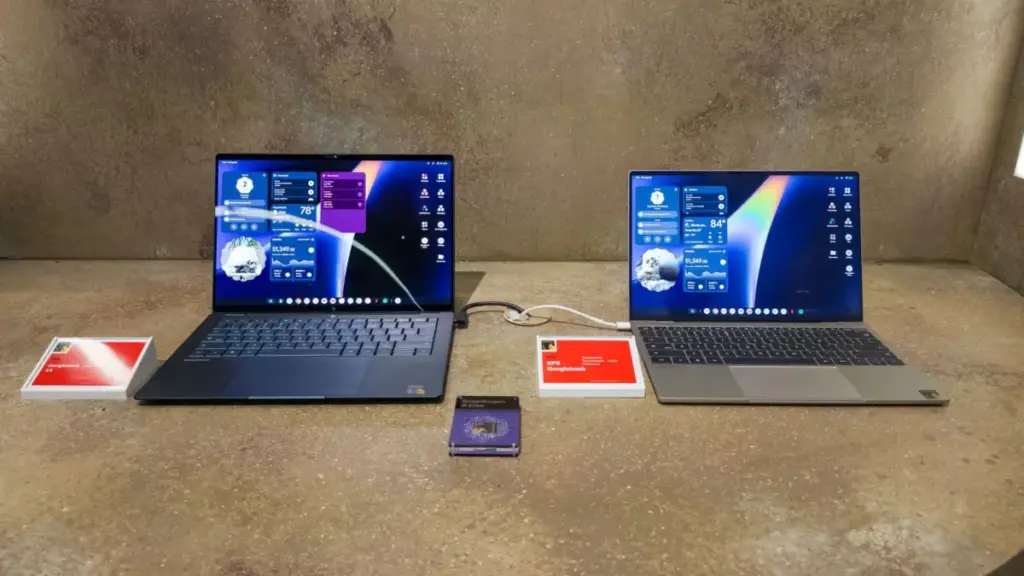
The user interface also draws heavily from the Android ecosystem. The quick settings panel and the main Settings app are nearly identical to what one would find on a Pixel Tablet, making the transition effortless for longtime Android users. The home screen supports pinned widgets for real-time information and allows for the creation of app folders, mirroring the customization options of a smartphone.
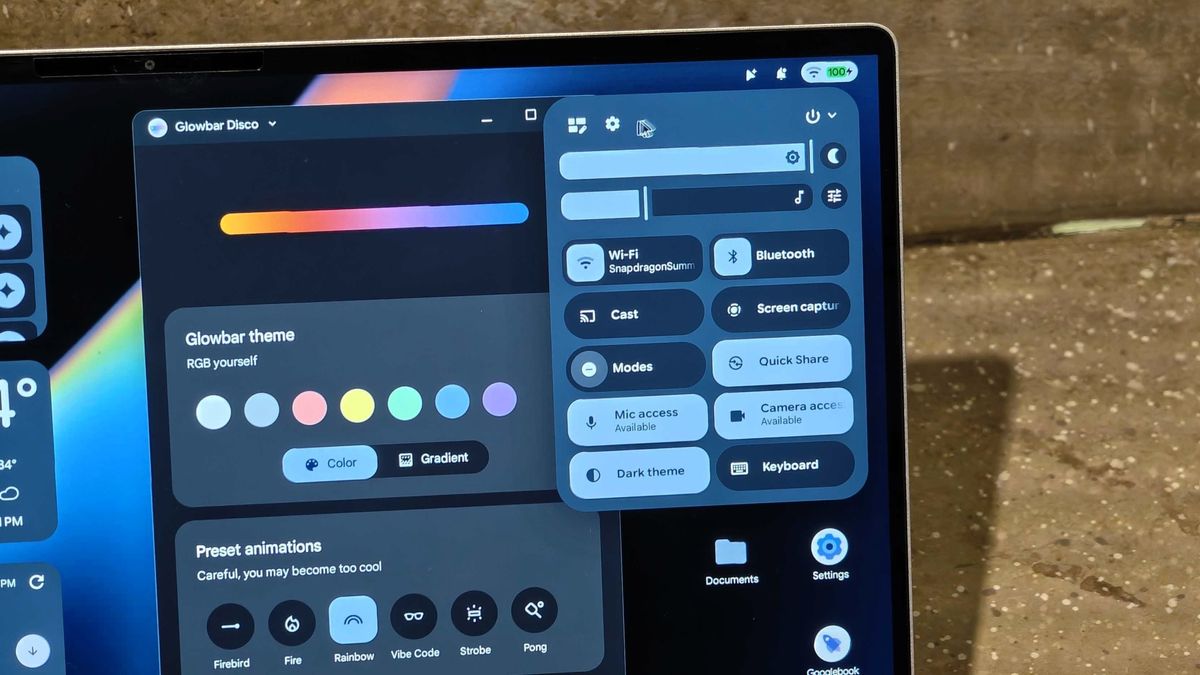
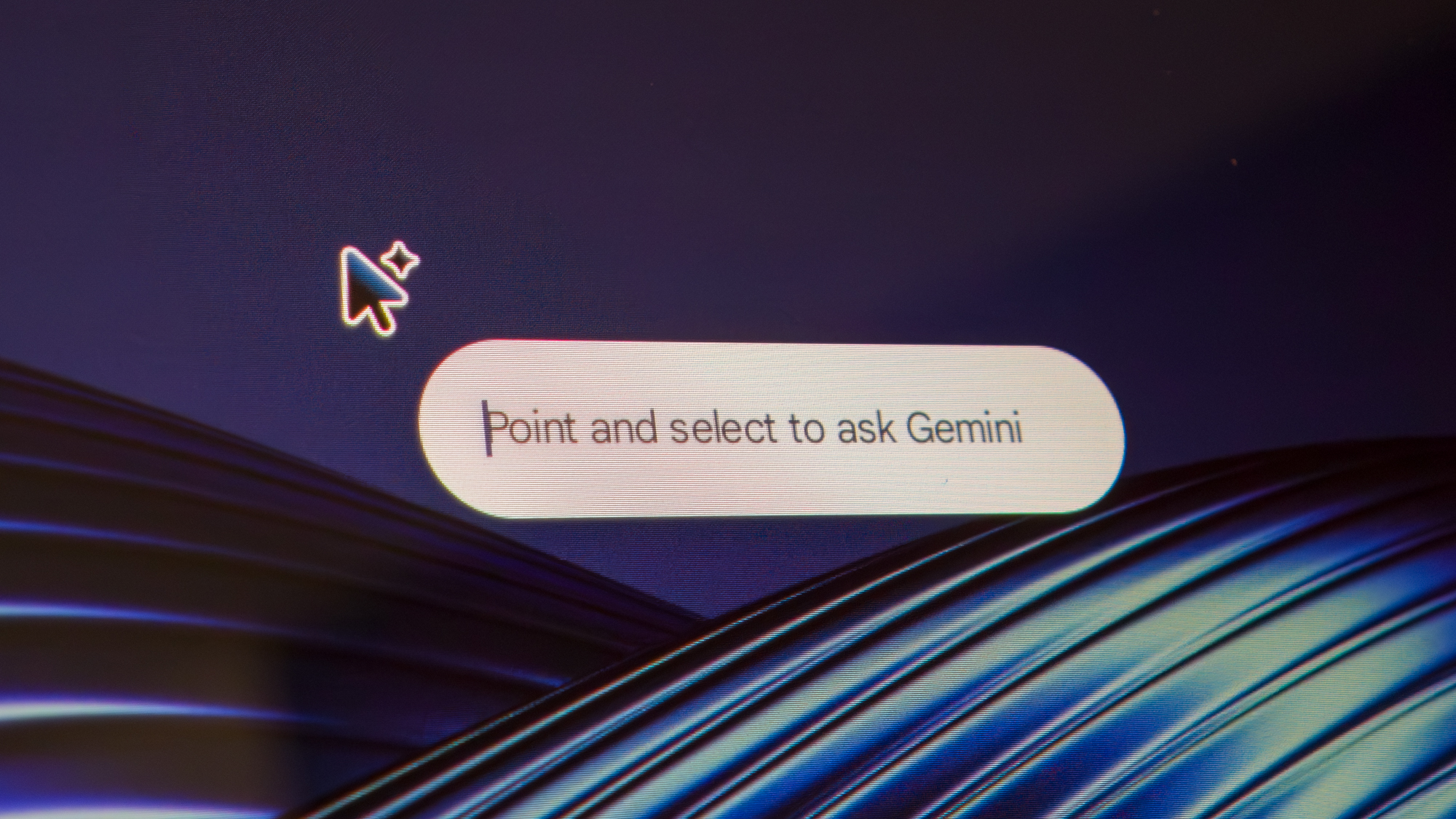
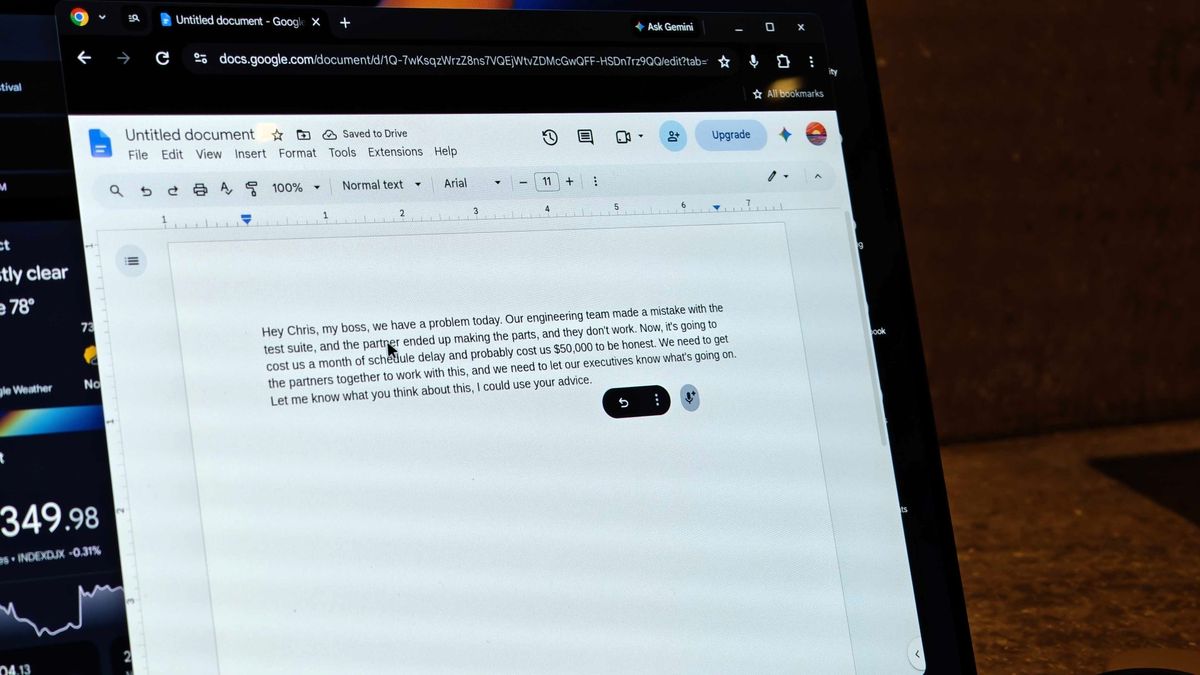
Perhaps most impressively, Googlebooks allow users to generate custom widgets using AI. By providing a specific prompt—such as "create a widget that tracks the 49ers’ score and compares it to their rivals, using a neon purple theme"—the system can build and deploy a functional, dynamic widget to the desktop in less than a minute. This level of personalization turns the desktop into a truly bespoke workspace.
A Unified Ecosystem and the Path Forward
Beyond AI, the core strength of the Googlebook lies in its ability to act as a hub for a user’s entire digital life. Because the OS is built on Android, almost any app or game available on the Play Store can be downloaded and run natively. While Google is working with developers to ensure better optimization for larger screens, the sheer breadth of the library gives Googlebooks an immediate advantage over the early days of ChromeOS.
The connectivity between a Googlebook and an Android phone is also deeper than ever. Building on the foundation of the "Phone Hub," Googlebooks allow users to cast apps directly from their phone to their laptop screen and browse their phone’s app drawer from the desktop. A new "Continue On" feature acts similarly to Apple’s Handoff, allowing a user to start a task on their mobile device and pick it up exactly where they left off on their Googlebook. File sharing is also simplified, enabling the seamless swapping of documents and photos between devices without the need for cables or third-party transfer services.
While Googlebooks are not intended to be high-end gaming rigs—native AAA PC titles are still the domain of Windows—the inclusion of services like GeForce NOW ensures that users can still enjoy high-fidelity gaming via the cloud.
As it stands, the Googlebook is a bold statement of intent. It is a device category designed for the modern professional who values mobility, AI-driven productivity, and a cohesive ecosystem. While Chromebooks will remain in the market for the foreseeable future, particularly for the institutional sectors they currently dominate, the Googlebook represents the clear path forward for Google’s consumer hardware.
The transition may take time, and the current high price points may deter some, but the underlying technology is undeniably promising. For those who have spent years wishing for a "Pixel Laptop" that truly felt like a part of the Android family, the Googlebook is the answer they have been waiting for. It is a sophisticated, powerful, and deeply intelligent take on the modern laptop, and it may just be enough to convince even the most dedicated Windows users to make the switch.
 Mobile Device Management (MDM) & Mobile OS
Xiaomi 18 Pro Confirmed to Feature Advanced Smart Privacy Display Technology
As the global smartphone market continues to shift its focus toward specialized...
 Mobile Device Management (MDM) & Mobile OS
Samsung Reportedly Developing ‘Galaxy Studio’ Over-Ear Headphones to Challenge Apple and Sony
The landscape of the premium audio market has long been defined by...
 Mobile Device Management (MDM) & Mobile OS
Google Messages Overhauls Interface with New Gestures and Contextual Menus for Android Users
Google is currently in the process of rolling out a significant update...







