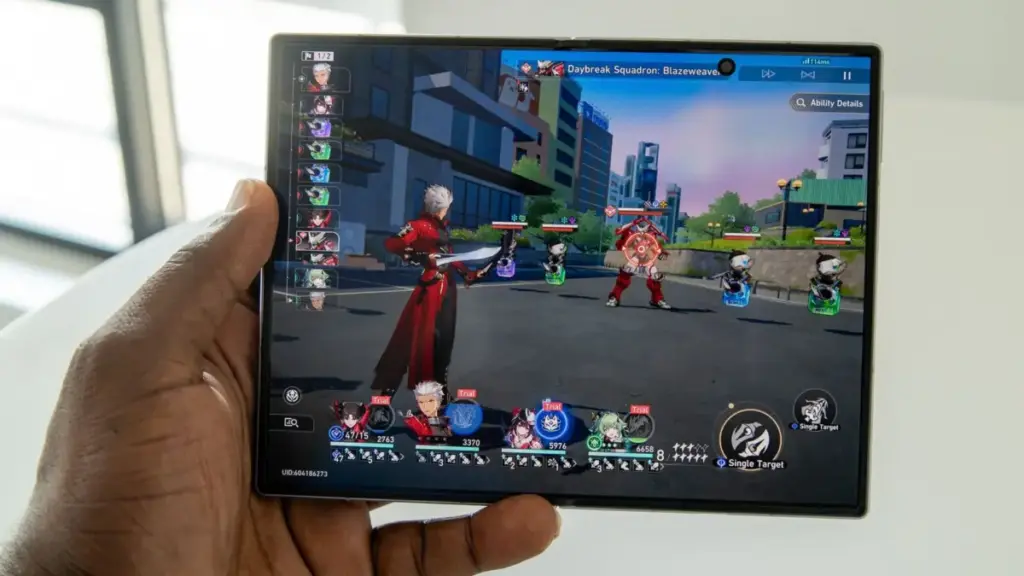
The landscape of the mobile industry is preparing for a significant shift as the next generation of hardware begins to take shape. While foldable smartphones have occupied a niche—albeit growing—segment of the market for several years, a new trajectory is emerging that could redefine the premium handset category. According to recent research from the industry analysts at Omdia, the foldable smartphone display market is poised for a major "rebound" in 2026. This resurgence is expected to be driven by a transition in form factor preferences, specifically the rise of the "wide-screen foldable," and the continued market dominance of industry titans Samsung and Apple.
In a report published on October 21, Omdia forecasted that shipments of Low-Temperature Polycrystalline Oxide (LTPO) AMOLED foldable displays are expected to grow by a staggering 44% in 2026. This optimistic outlook comes at a critical juncture for the industry, which has faced significant headwinds in recent quarters. The analyst firm suggests that the market’s recovery will be spearheaded by a move toward wider screen ratios, a design trend that has gained considerable momentum as consumers seek more utility and better ergonomics from their high-end devices.
Brain Huh, a principal analyst at Omdia, highlighted the pivotal role these larger form factors will play in the coming years. According to Huh, display shipments for wide-screen foldable smartphones are expected to account for 44% of total foldable panel shipments by 2026. This shift marks a departure from the narrower, more elongated designs that characterized the early generations of foldable technology, suggesting that both manufacturers and consumers are settling on a preferred geometry for the future of the category.
The Era of the Wide-Screen Foldable
The discussion regarding the "wide-screen" trend is inextricably linked to the recent product strategies of Samsung and Apple. Omdia’s research points to the Galaxy Z Fold 8 and the iPhone Duo as the primary catalysts for this forecasted growth. These devices represent a significant evolution in design philosophy, moving away from the "remote control" aspect ratios of the past in favor of a broader, more traditional smartphone feel when closed, which then unfolds into a more expansive, tablet-like canvas.
Samsung, in particular, is expected to "strengthen its leadership in the foldable smartphone display market" throughout the current year and into 2026. This dominance is not merely a result of its own handset sales but its position as a critical infrastructure provider for the entire industry. Samsung currently serves as the exclusive supplier of the advanced displays required for both the Galaxy Z Fold 8 and the iPhone Duo. This dual role—acting as both a primary competitor and a vital component partner—places Samsung in a unique position to capitalize on the growth of the segment, regardless of which individual handset wins the consumer’s favor.
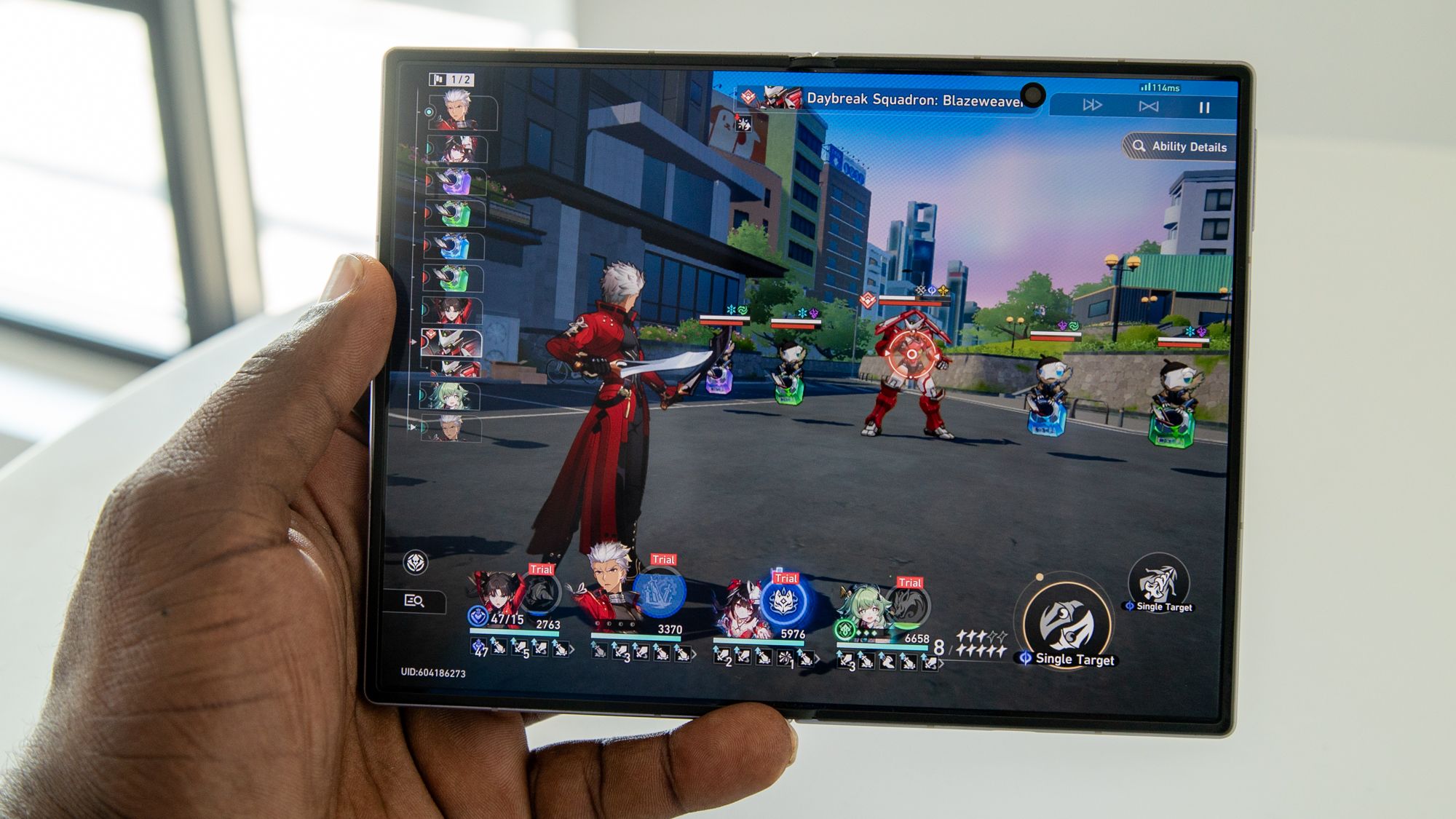
The competitive landscape for display manufacturing remains fierce, yet Samsung continues to hold solid ground over its rivals. While Chinese manufacturers such as BOE, China Star (CSOT), Tianma, and Visionox have made significant strides in display technology, Samsung’s vertical integration and early lead in LTPO AMOLED production have provided a formidable moat. The positive reception of wider foldables, as noted in Omdia’s research, further solidifies the demand for the high-quality, high-efficiency panels that Samsung is currently optimized to produce.
 Mobile Device Management (MDM) & Mobile OS
Meta Enhances Creator Toolkit with AI-Powered Edits Assistant for Instagram Performance Analysis
In an era where the creator economy is increasingly driven by data-driven...
 Mobile Device Management (MDM) & Mobile OS
OnePlus Accelerates Software Roadmap with Early Release of Stable ColorOS 17 for OnePlus 15 and OnePlus Pad 4
In a move that has surprised both industry analysts and the brand’s...
 Mobile Device Management (MDM) & Mobile OS
Google Refines the AI-Powered Smart Home with Major Gemini and Home App Update
Google has concluded the final week of October with a significant suite...