
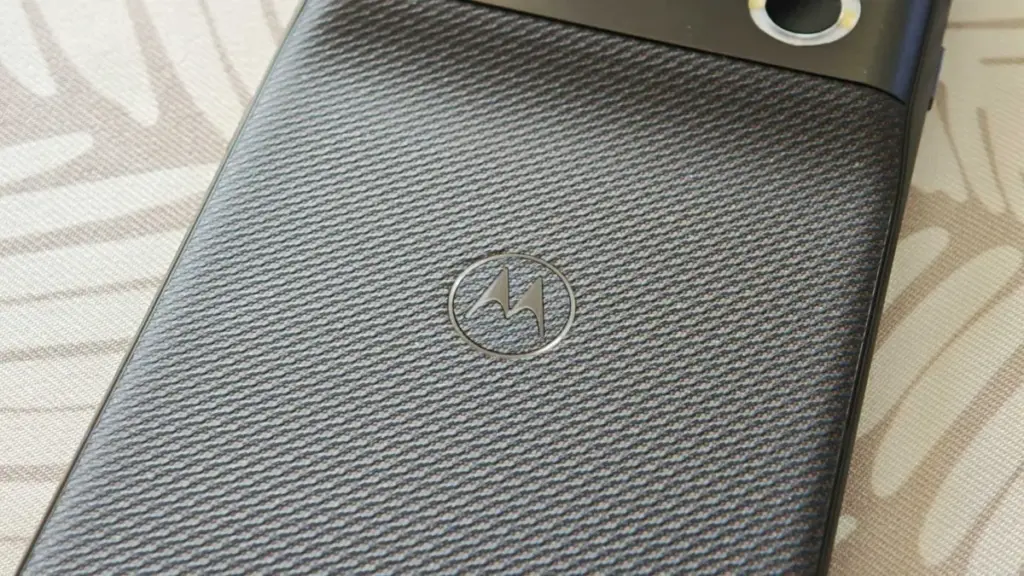
At the recent Snapdragon Summit hosted by Qualcomm, an event typically dominated by silicon deep-dives and technical roadmaps, Motorola managed to steal a significant portion of the spotlight. The company surprised attendees and industry observers alike by confirming that its upcoming flagship, the Motorola Signature 27, is officially slated for a North American release. This announcement marks a pivotal moment for the brand, which has spent the last several years refining its identity in the Western market through its successful Razr foldables and mid-range Moto G series, while often reserving its most ambitious traditional flagships for international territories.
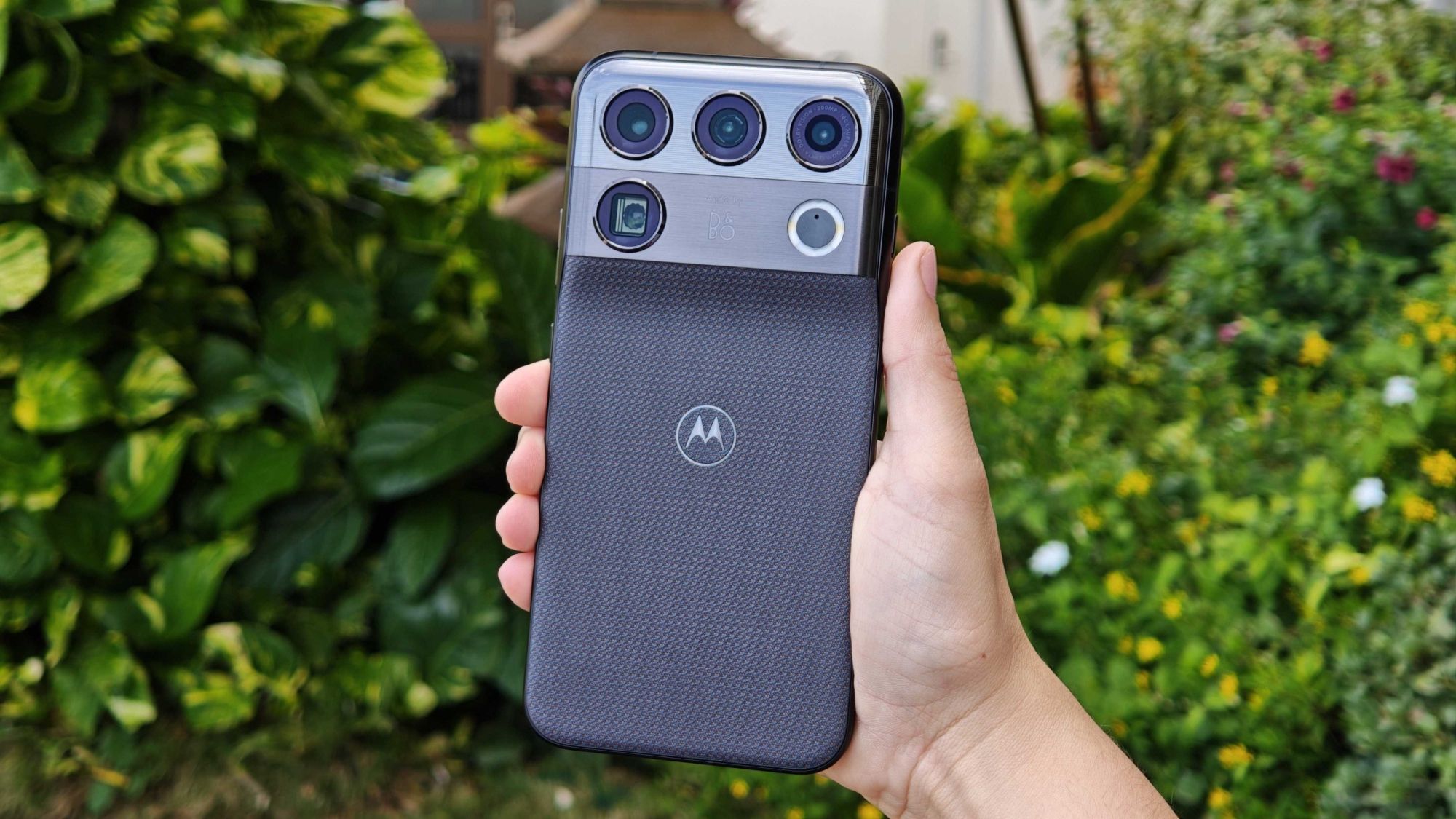
The decision to bring the Signature 27 to the United States and Canada is a direct response to a growing chorus of enthusiasts and critics who felt the region was being overlooked. The previous generation of the Motorola Signature was lauded in European and Latin American markets for its sophisticated design and high-performance camera arrays, yet it remained a "forbidden fruit" for North American consumers. This year, however, Motorola is changing its tune, positioning itself as a featured OEM at the Snapdragon Summit—a move that underscores its deepening partnership with Qualcomm and its commitment to the ultra-premium smartphone segment.
Following the announcement, Nicole Hagen, Motorola’s Executive Director and Head of Global Product Marketing, sat down to discuss the strategic shift. Her insights reveal a company that is no longer content with being a secondary player in the flagship space, but is instead ready to challenge the established duopoly in the North American market.
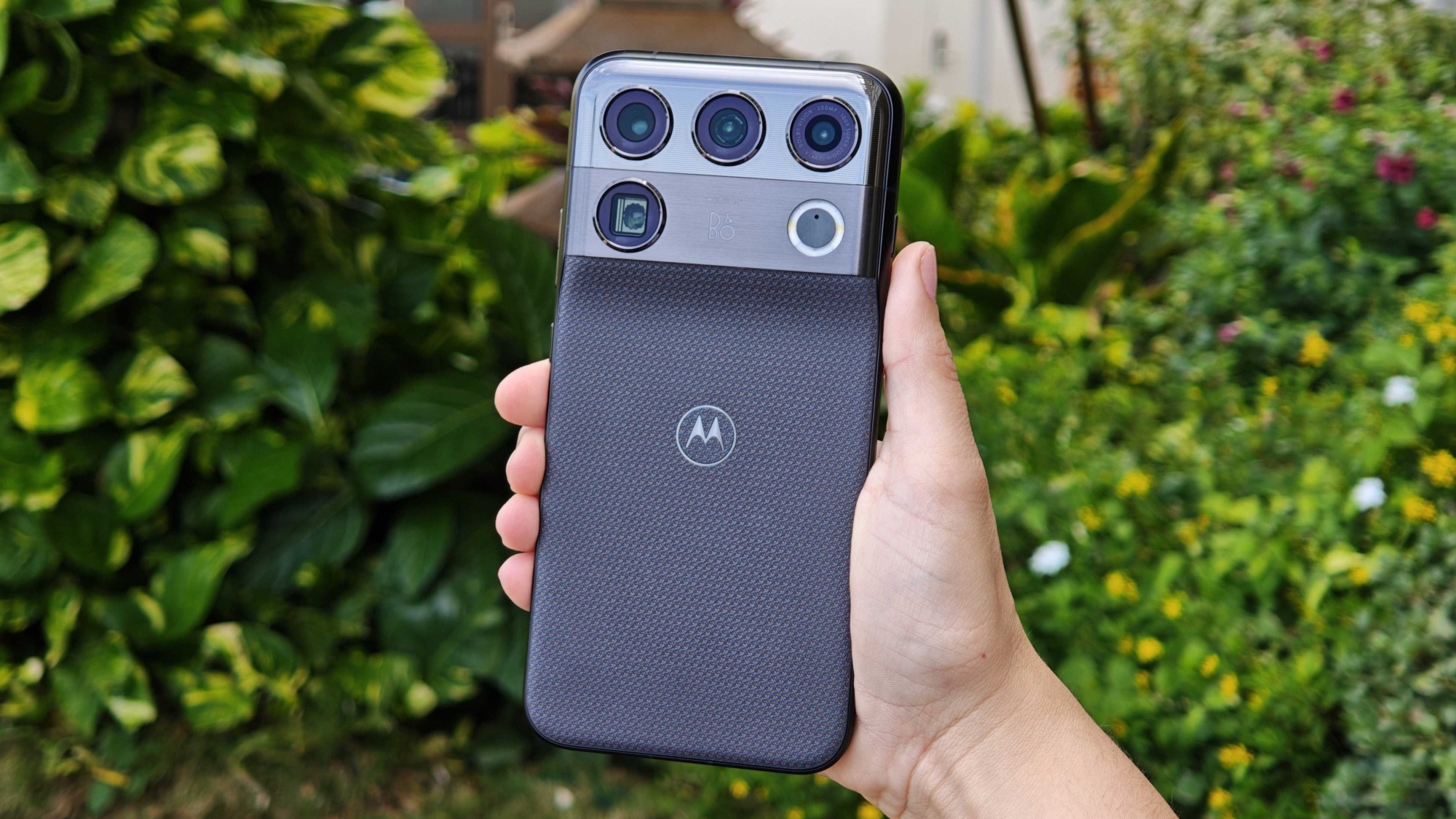
Motorola has heard us
For years, Motorola’s global strategy was defined by a strict regionalism. While consumers in Brazil or Germany might enjoy a high-spec flagship with cutting-edge optics, North American buyers were often steered toward the more pragmatic Edge series or the stylus-equipped mid-range models. This fragmentation led to frustration among the brand’s loyal fanbase, who watched from the sidelines as impressive hardware launched everywhere but in their home market.
"We heard you, we heard media, we heard analysts, and I’ll be honest, we even heard from a lot of customers in North America on kind of popular feedback forums that they were disappointed," Hagen admitted during the interview. This acknowledgment of community feedback is a rare moment of transparency for a major tech manufacturer and suggests that Motorola is paying closer attention to consumer sentiment than ever before.
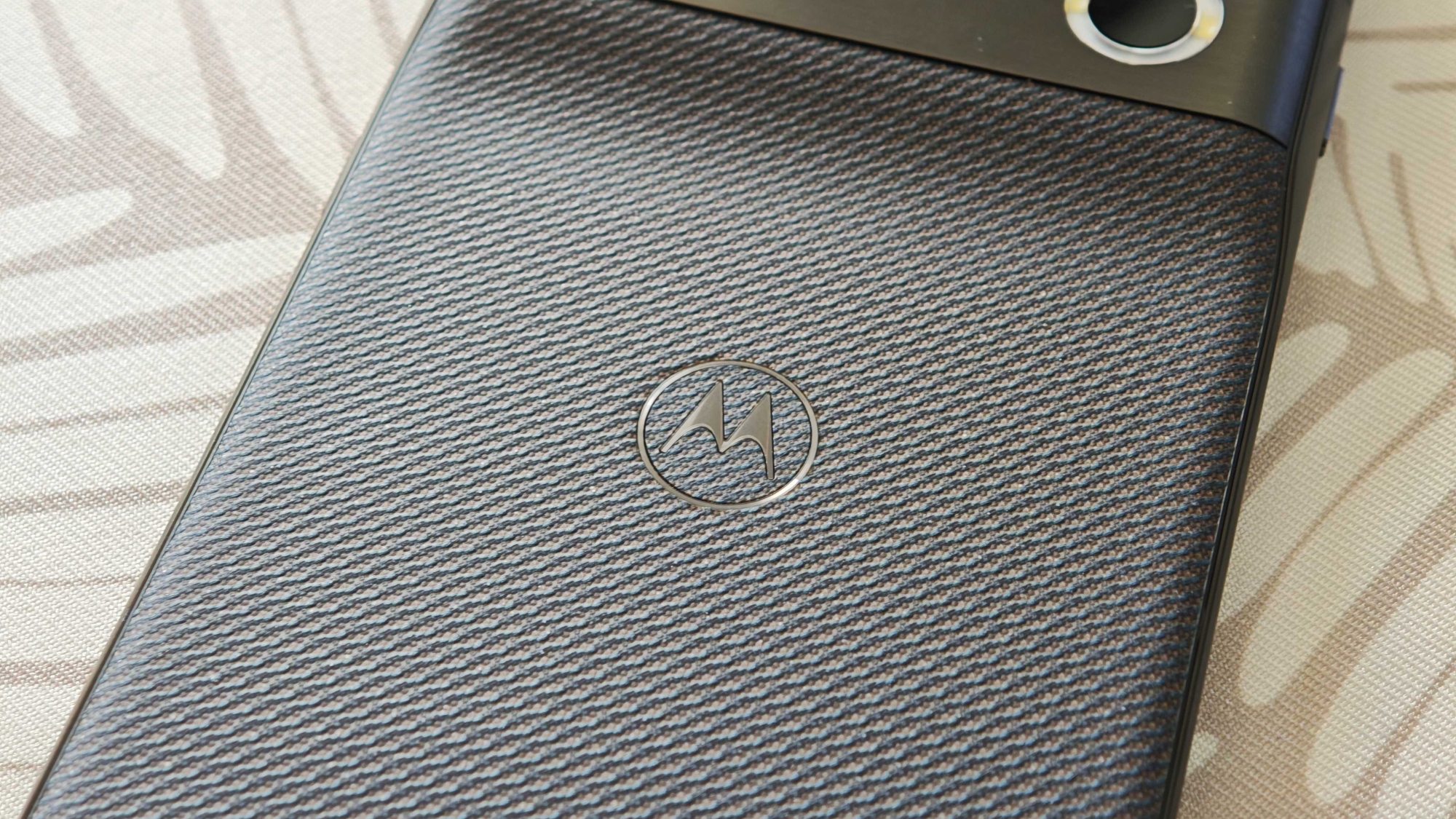
According to Hagen, the decision to bring the Signature 27 to North America wasn’t just about satisfying a vocal minority; it was about having the right product at the right time. She noted that Motorola had even tracked Signature devices being imported and registered in the U.S. by enthusiasts who purchased them from overseas retailers. This organic demand served as a proof of concept, demonstrating that there is a legitimate hunger for a high-end Motorola alternative to the dominant Galaxy and Pixel lines.
The timing also aligns with Motorola’s internal momentum. Despite the competitive landscape, Hagen revealed that the company recently celebrated its best quarter ever by revenue, seeing a 15% year-over-year increase. Crucially, the majority of that growth was driven by premium products. This financial success has provided the brand with the confidence—and the capital—to re-enter the traditional flagship arena in North America with a device that doesn’t compromise on specifications or experience.
 Mobile Device Management (MDM) & Mobile OS
Google Unveils Android Bench 2.0 to Evaluate AI Performance on Complex, Long-Horizon Development Tasks
In a significant move to refine how artificial intelligence interacts with the...
 Mobile Device Management (MDM) & Mobile OS
The Evolution of Ultra-Compact Power: UGREEN and Rolling Square Redefine the 65W GaN Charger Market
The landscape of mobile power and charging accessories has undergone a radical...
 Mobile Device Management (MDM) & Mobile OS
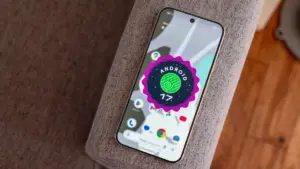
Google Releases Android 17 QPR3 Beta 1 for Pixel Devices, Targeting Key Performance Issues and System Stability
Google has officially initiated the next phase of its software testing cycle...






