
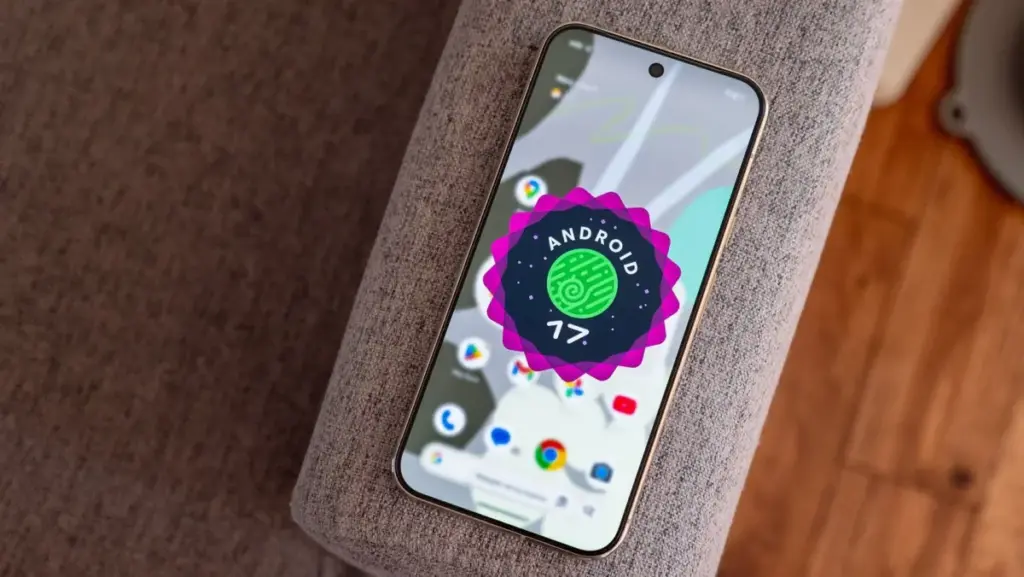
Google has officially initiated the next phase of its software testing cycle with the release of Android 17 QPR3 Beta 1. This latest update, aimed primarily at the Pixel enthusiast community and professional developers, signals a continued commitment to refining the Android user experience through the Quarterly Platform Release (QPR) framework. As the first beta for the third quarterly cycle of the Android 17 lifecycle, this build introduces a significant number of bug fixes and stability improvements designed to polish the operating system ahead of its wider public rollout.
The update is currently rolling out to a broad spectrum of Google’s hardware portfolio. According to the release details, the beta is available for devices ranging from the aging but still capable Pixel 6a all the way through to the cutting-edge Pixel 11 family. The inclusion of such a wide array of devices highlights Google’s strategy of maintaining software parity across several generations of its proprietary hardware, ensuring that even users of older "A-series" devices can participate in the testing and refinement of the latest software features.
For the majority of the eligible Pixel lineup, the update arrives under the build number DP11.260918.006. However, owners of the flagship Pixel 11 series will notice a slight variation, receiving build number DP11.260918.005. While these build numbers may seem like mere technical jargon, they represent the culmination of internal testing and the baseline for the next several months of community-driven feedback.
Understanding the Role of Quarterly Platform Releases
To understand the significance of this release, it is essential to recognize how Google has structured the modern Android update cycle. In previous years, Android updates were largely monolithic, with one major version release followed by smaller, sporadic security patches. The introduction of Quarterly Platform Releases has fundamentally changed this dynamic. QPRs serve as a bridge between major annual OS versions, providing a vehicle for Google to deliver "Feature Drops" and significant system optimizations without waiting for the next full version of Android.
One of the primary advantages of the QPR cycle is its stability for the developer community. Google specifically designs these updates to avoid breaking changes to the Application Programming Interface (API). This means that developers can install the beta builds and test their apps with confidence, knowing that the underlying code structures they rely on remain consistent. This approach allows for a faster iteration of system-level fixes while ensuring that the broader app ecosystem remains functional and reliable for the average user.
For the end-user, the QPR cycle represents a steady cadence of improvement. Rather than receiving a stagnant operating system for twelve months, Pixel owners benefit from a system that is constantly being tuned. These updates often address "quality of life" issues—small bugs or performance hitches that may not warrant an emergency patch but collectively impact the daily usability of the device.
Addressing Critical System Bugs and User Experience
In this first beta of the QPR3 cycle, Google has focused heavily on the "polishing" aspect of software development. The company has officially documented the resolution of 20 distinct bugs that were present in previous iterations of the software. These fixes cover a wide range of system behaviors, from biometric security to connectivity and multimedia performance.
 Mobile Device Management (MDM) & Mobile OS
Meowdoku: How a Cat-Themed Logic Puzzle Became a Viral Sensation Despite an Exhausting Ad Experience
In the modern digital landscape, the mobile gaming market is increasingly saturated...
 Mobile Device Management (MDM) & Mobile OS
Xreal One Pro Receives Significant Price Cut During Prime Big Deal Days as the Market for Wearable Displays Expands
The landscape of personal entertainment and mobile productivity is undergoing a quiet...
 Mobile Device Management (MDM) & Mobile OS
Google Reportedly Developing Next-Generation TV Streamer with Hands-Free Gemini and Presence-Sensing Technology
In the rapidly evolving landscape of home entertainment, Google appears to be...







