
The nature of professional productivity is undergoing a fundamental shift, moving away from the traditional cadence of isolated tasks and toward a more fluid, continuous rhythm of work. For years, the promise of artificial intelligence in the workplace has been centered on the "prompt-and-response" model—a system where a user asks a question and the machine provides an answer. However, Microsoft is now signaling a move beyond these single exchanges, aiming to bridge the gap between information retrieval and actual execution. The company argues that the next major breakthrough in AI utility lies in the "follow-through," where systems do not merely provide information but actively hold a user’s priorities and execute tasks autonomously under human supervision.
This evolution is being spearheaded by the introduction of a sophisticated new framework designed to keep work in motion even when a user’s attention is directed elsewhere. By moving from reactive assistants to proactive partners, Microsoft is attempting to solve one of the most persistent challenges in the modern digital office: the overwhelming burden of coordination and the "work about work" that consumes a significant portion of the business day.
A new category of agents
At the heart of this transition is the introduction of a new category of technology that Microsoft calls "Autopilots." Unlike standard AI assistants that remain dormant until summoned, Autopilots are designed to be "always-on" agents. These entities operate with their own distinct digital identities, allowing them to work autonomously and act on behalf of a user or an organization within a predefined set of parameters.
The core philosophy behind Autopilots is the realization that work does not stop when a user closes a laptop or moves to a different meeting. By staying active in the background, these agents develop a comprehensive understanding of how work flows across various applications and systems. They are designed to observe patterns, recognize dependencies, and take action without requiring a manual prompt for every individual step. This creates a more durable operational model, ensuring that projects continue to progress through various stages of a workflow regardless of a human’s immediate availability.
Importantly, these agents do not operate in a vacuum or as anonymous background processes. Because they are assigned their own identities, they function within the specific permissions, security protocols, and organizational policies already established by an enterprise. This ensures that while the agent is autonomous, it remains fully governed and accountable, adhering to the same rules that apply to any human employee within the corporate directory.
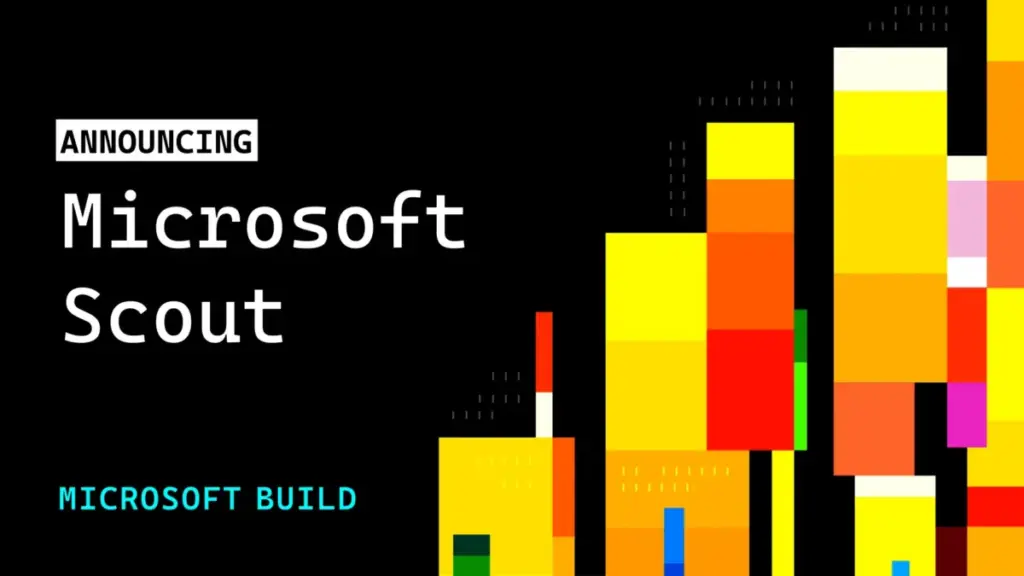
Introducing Microsoft Scout
To lead this new category, the company has unveiled Microsoft Scout, the first official Autopilot agent. Scout is not a standalone application but rather a deeply integrated layer that sits across the entire Microsoft 365 ecosystem. By embedding Scout directly into the tools professionals use every day—including Teams, Outlook, OneDrive, and SharePoint—Microsoft ensures the agent is grounded in the actual flow of a user’s work rather than being an external destination.
Microsoft Scout is designed to operate seamlessly across the cloud, desktop environments, and the web. Its reach extends to the primary data sources that power a modern workday: chat histories, email threads, calendar schedules, and contact lists. While users primarily interact with Scout through the familiar interface of Microsoft Teams, its capabilities extend through a desktop application to the browser and local system resources. Furthermore, it utilizes Model Context Protocol (MCP) servers to expand its reach, allowing it to pull in relevant information from a variety of sources to provide a more holistic service.
 Productivity Software & Office Suites
Microsoft Reimagines Copilot as a Unified AI Platform for the Next Generation of Work
In a significant shift that signals the next phase of the artificial...
 Productivity Software & Office Suites
Microsoft Reimagines Copilot as a Central Hub for AI-Driven Work and Autonomous Agents
In a significant shift for the future of digital productivity, Microsoft has...
 Productivity Software & Office Suites
Microsoft Announces Global Launch of Copilot Cowork, Introducing Agentic AI to the Modern Enterprise
In a move that signals a significant shift in the landscape of...







