
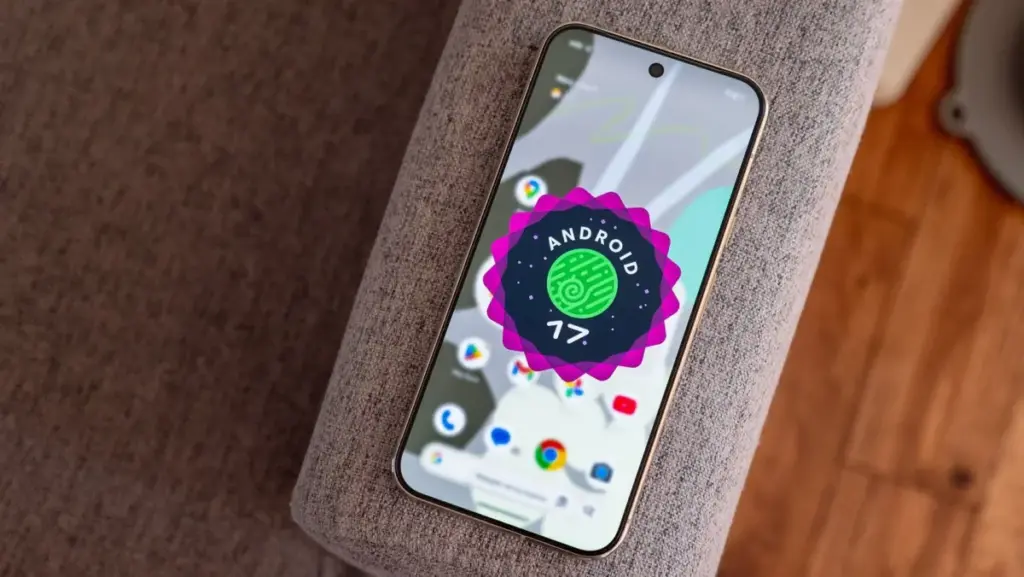
As for the timeline, QPR3 is expected to move through several beta stages before reaching a final, stable release. Based on Google’s traditional release patterns, users can expect the stable version of QPR3 to arrive in the early months of next year. This release will likely coincide with a "Pixel Feature Drop," bringing not just the fixes found in this beta, but potentially new software capabilities and enhancements to the Pixel user interface.
Navigating the Beta Program: Advice for Testers
While the release of a new beta is always exciting for tech enthusiasts, Google and industry experts continue to urge caution. Beta software, by its very nature, is a work in progress. While QPR3 Beta 1 fixes 20 known issues, it may inadvertently introduce new ones. Users who rely on their Pixel as their primary, mission-critical device should carefully consider the risks before enrolling in the Android Beta Program.
For those currently enrolled in the beta program who may be considering a return to the stable channel, Google has provided specific guidance to avoid the loss of data. Typically, leaving a beta program and returning to a public release requires a factory reset, which wipes all user data from the device. However, there is a "window of opportunity" that allows for a seamless transition.
Users who wish to return to the stable channel without wiping their phones are advised not to install the Android 17 QPR3 Beta 1 update. Instead, they should unenroll from the Android Beta Program now and wait for the upcoming public launch of QPR2. Once the stable QPR2 update becomes available, the device will transition to that version as a standard over-the-air update. By skipping the QPR3 Beta 1, users can exit the testing cycle at the next stable milestone.
For those who choose to proceed with the QPR3 Beta 1, the feedback loop remains the most valuable tool for Google. The company encourages testers to use the built-in "Android Beta Feedback" app to report any new bugs or performance regressions. This crowdsourced data is essential for identifying edge cases that may not have appeared during internal testing, ultimately leading to a more robust final product for the millions of Pixel users worldwide.
As Android 17 continues to mature, the QPR3 cycle will play a vital role in defining the final character of this OS version. With a focus on fixing persistent bugs and ensuring hardware-wide stability, Google is laying the groundwork for a successful start to the new year. Whether it is the seamless functioning of a fingerprint sensor or the reliable connectivity of an eSIM, these incremental improvements are what define the modern smartphone experience.
 Mobile Device Management (MDM) & Mobile OS
Google to Replace Gemini Gems with Modular ‘Skills’ Starting in October
Google is preparing a significant evolution for its artificial intelligence ecosystem, announcing...
 Mobile Device Management (MDM) & Mobile OS
Google Expands Certified Refurbished Program to Include Pixel 9 Series with Significant Price Cuts
Google has officially expanded its hardware offerings in the United States by...
 Mobile Device Management (MDM) & Mobile OS
Google Photos Users Report Crippling App Freezes on Pixel Devices Following Latest AI Update
The Google Pixel ecosystem has long been celebrated for its seamless integration...







