
At the recent Snapdragon Summit hosted by Qualcomm, an event typically dominated by silicon deep-dives and technical roadmaps, Motorola managed to steal a significant portion of the spotlight. The company surprised attendees and industry observers alike by confirming that its upcoming flagship, the Motorola Signature 27, is officially slated for a North American release. This announcement marks a pivotal moment for the brand, which has spent the last several years refining its identity in the Western market through its successful Razr foldables and mid-range Moto G series, while often reserving its most ambitious traditional flagships for international territories.
The decision to bring the Signature 27 to the United States and Canada is a direct response to a growing chorus of enthusiasts and critics who felt the region was being overlooked. The previous generation of the Motorola Signature was lauded in European and Latin American markets for its sophisticated design and high-performance camera arrays, yet it remained a "forbidden fruit" for North American consumers. This year, however, Motorola is changing its tune, positioning itself as a featured OEM at the Snapdragon Summit—a move that underscores its deepening partnership with Qualcomm and its commitment to the ultra-premium smartphone segment.
Following the announcement, Nicole Hagen, Motorola’s Executive Director and Head of Global Product Marketing, sat down to discuss the strategic shift. Her insights reveal a company that is no longer content with being a secondary player in the flagship space, but is instead ready to challenge the established duopoly in the North American market.
Motorola has heard us
For years, Motorola’s global strategy was defined by a strict regionalism. While consumers in Brazil or Germany might enjoy a high-spec flagship with cutting-edge optics, North American buyers were often steered toward the more pragmatic Edge series or the stylus-equipped mid-range models. This fragmentation led to frustration among the brand’s loyal fanbase, who watched from the sidelines as impressive hardware launched everywhere but in their home market.
"We heard you, we heard media, we heard analysts, and I’ll be honest, we even heard from a lot of customers in North America on kind of popular feedback forums that they were disappointed," Hagen admitted during the interview. This acknowledgment of community feedback is a rare moment of transparency for a major tech manufacturer and suggests that Motorola is paying closer attention to consumer sentiment than ever before.
According to Hagen, the decision to bring the Signature 27 to North America wasn’t just about satisfying a vocal minority; it was about having the right product at the right time. She noted that Motorola had even tracked Signature devices being imported and registered in the U.S. by enthusiasts who purchased them from overseas retailers. This organic demand served as a proof of concept, demonstrating that there is a legitimate hunger for a high-end Motorola alternative to the dominant Galaxy and Pixel lines.
The timing also aligns with Motorola’s internal momentum. Despite the competitive landscape, Hagen revealed that the company recently celebrated its best quarter ever by revenue, seeing a 15% year-over-year increase. Crucially, the majority of that growth was driven by premium products. This financial success has provided the brand with the confidence—and the capital—to re-enter the traditional flagship arena in North America with a device that doesn’t compromise on specifications or experience.
What we know so far about the Motorola Signature 27
At the heart of the Motorola Signature 27 is the newly unveiled Snapdragon 8 Elite Extreme Gen 6. While Motorola’s recent Razr Fold utilized a slightly lower-tier flagship chip to balance thermals and battery life in a folding form factor, the Signature 27 is designed to push the absolute limits of mobile computing. The "Elite Extreme" branding suggests a chipset optimized for sustained peak performance, high-efficiency AI processing, and advanced connectivity.
Hagen emphasized that the choice of silicon was fundamental to the device’s identity. "What I’m most excited about is that the chipset is unlocking a few things for us," she explained. Beyond the raw speed expected of a 200-series generation chip, the Snapdragon 8 Elite Extreme Gen 6 enables a more sophisticated suite of AI tools. These aren’t just flashy generative tricks, but foundational improvements to how the phone manages power, maintains signal strength in congested areas, and, most importantly, processes images.
Photography remains the central pillar of the Signature franchise. While full specifications are still being finalized, Motorola has confirmed a formidable hardware stack. The primary sensor is the 50MP Sony Lytia 910, a component known for its exceptional dynamic range and low-light performance. Accompanying this is a 200MP periscope telephoto lens, a high-resolution monster designed to provide crisp detail even at significant zoom levels.
The engineering of these cameras involves a deep, collaborative process with Qualcomm. Hagen described a rigorous testing cycle where Motorola’s engineers work alongside Qualcomm’s experts to fine-tune the Image Signal Processor (ISP). This collaboration focuses on the "common thread" of image stabilization and AI-driven post-processing. "We have a couple more rounds of work to do before, of course, we announce and launch the product," Hagen said. "But we expect an exceptional DxO result that will help validate the overall experience." She further teased that early testing indicates the Signature 27 is already outperforming the Razr Fold, which itself was widely praised for its photographic capabilities.
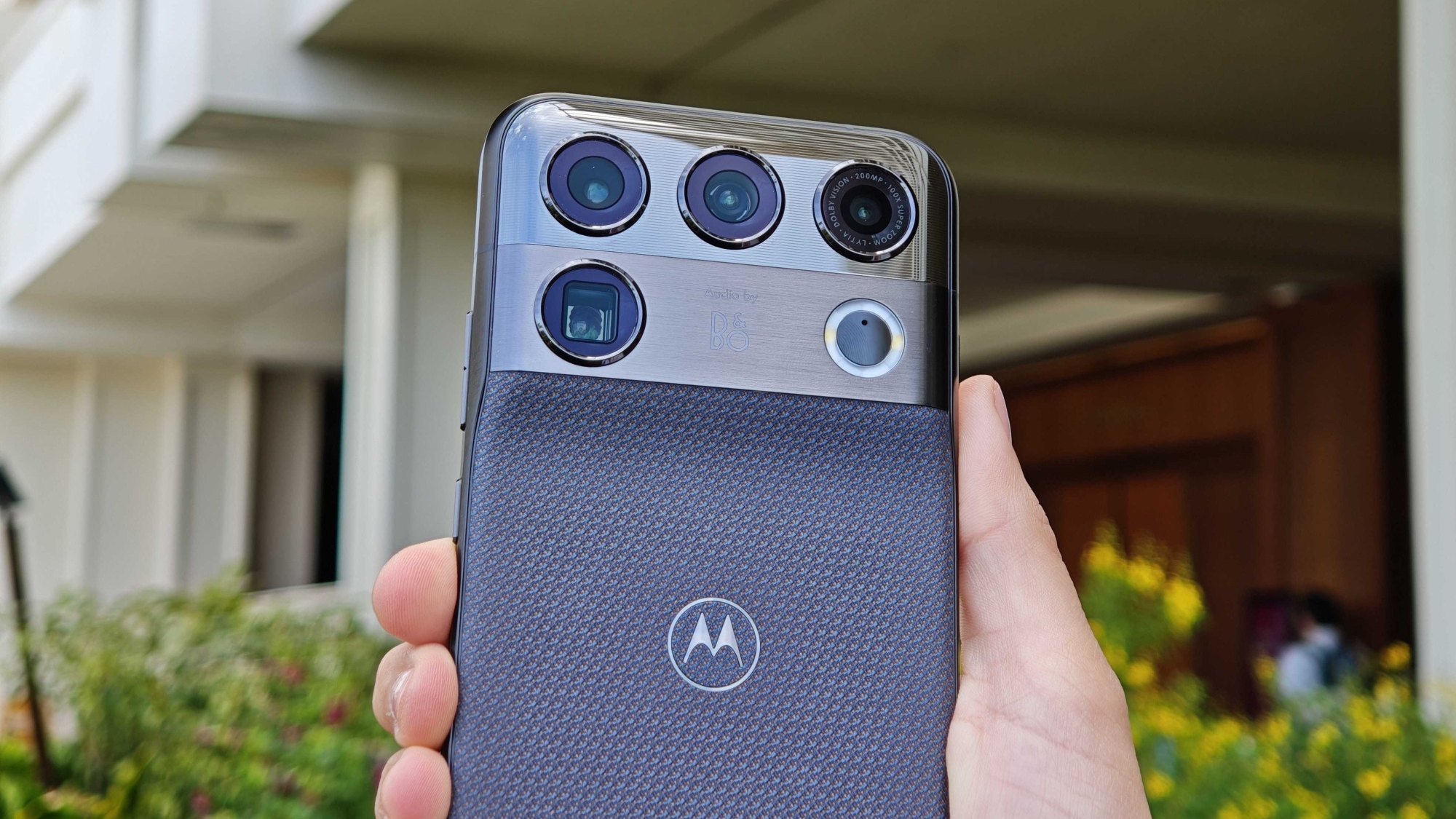
To complement the visual experience, Motorola is leaning into high-end audio through a new multi-year partnership with Bang & Olufsen. This collaboration mirrors Motorola’s successful long-term relationship with Pantone for color science and design. By bringing in B&O to tune the acoustic profile of the Signature 27, Motorola is signaling that it understands the importance of sensory luxury in a flagship device. Hagen noted that Motorola "doesn’t have an ego" when it comes to engineering; the company is happy to leverage the expertise of century-old brands like B&O to ensure their users get the best possible sound quality without Motorola having to reinvent the wheel internally.
New Moto, who dis?
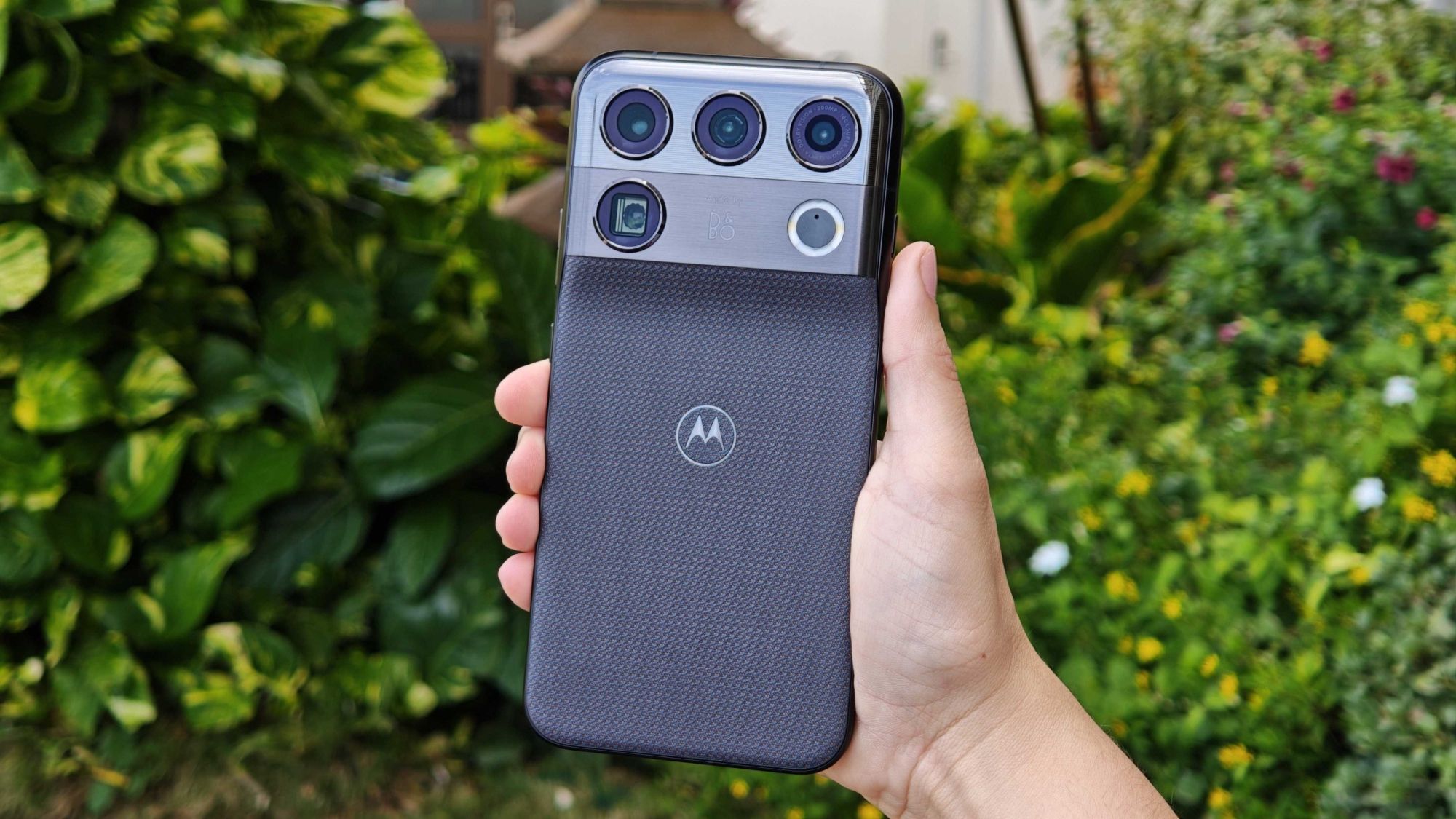
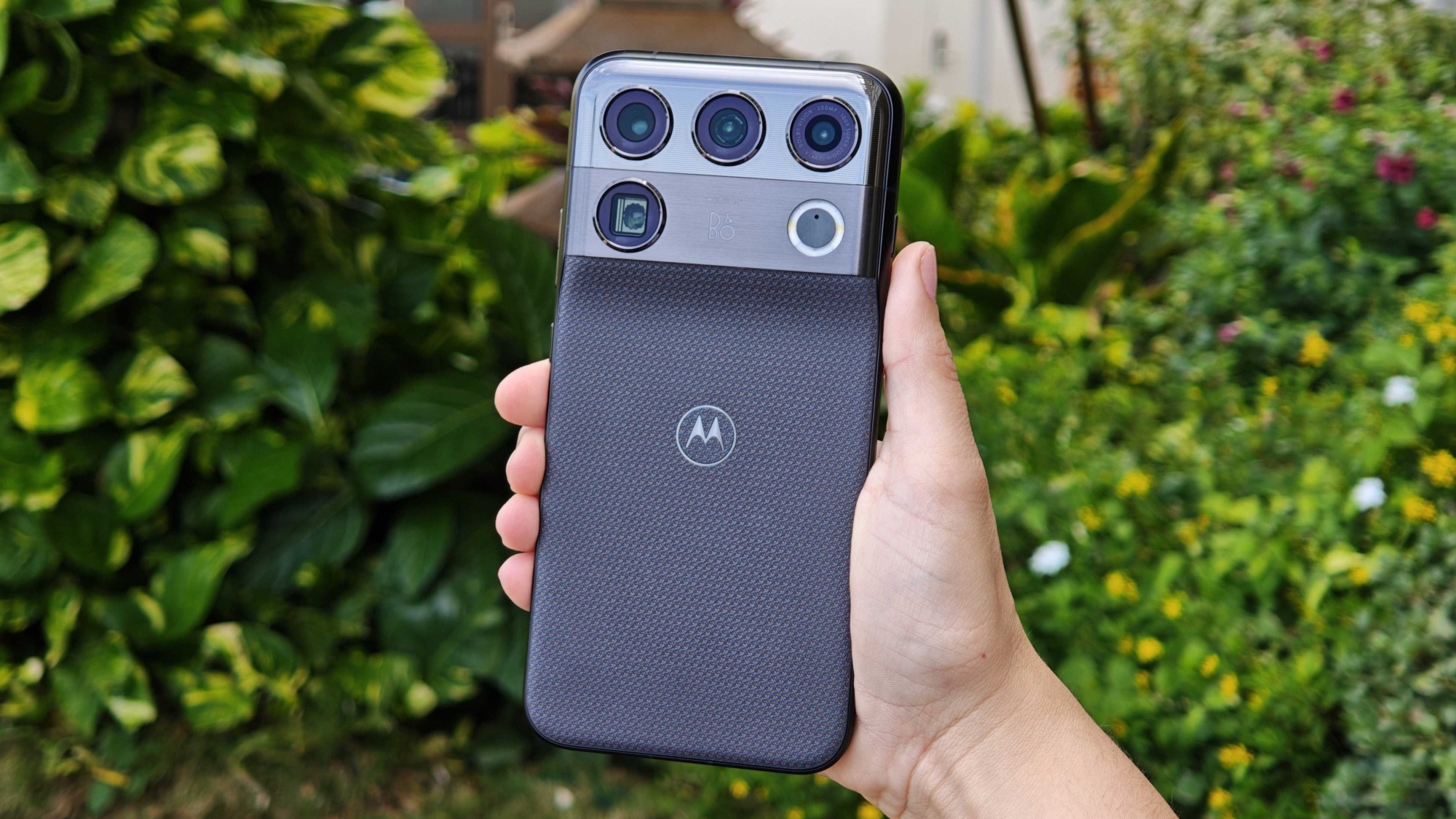
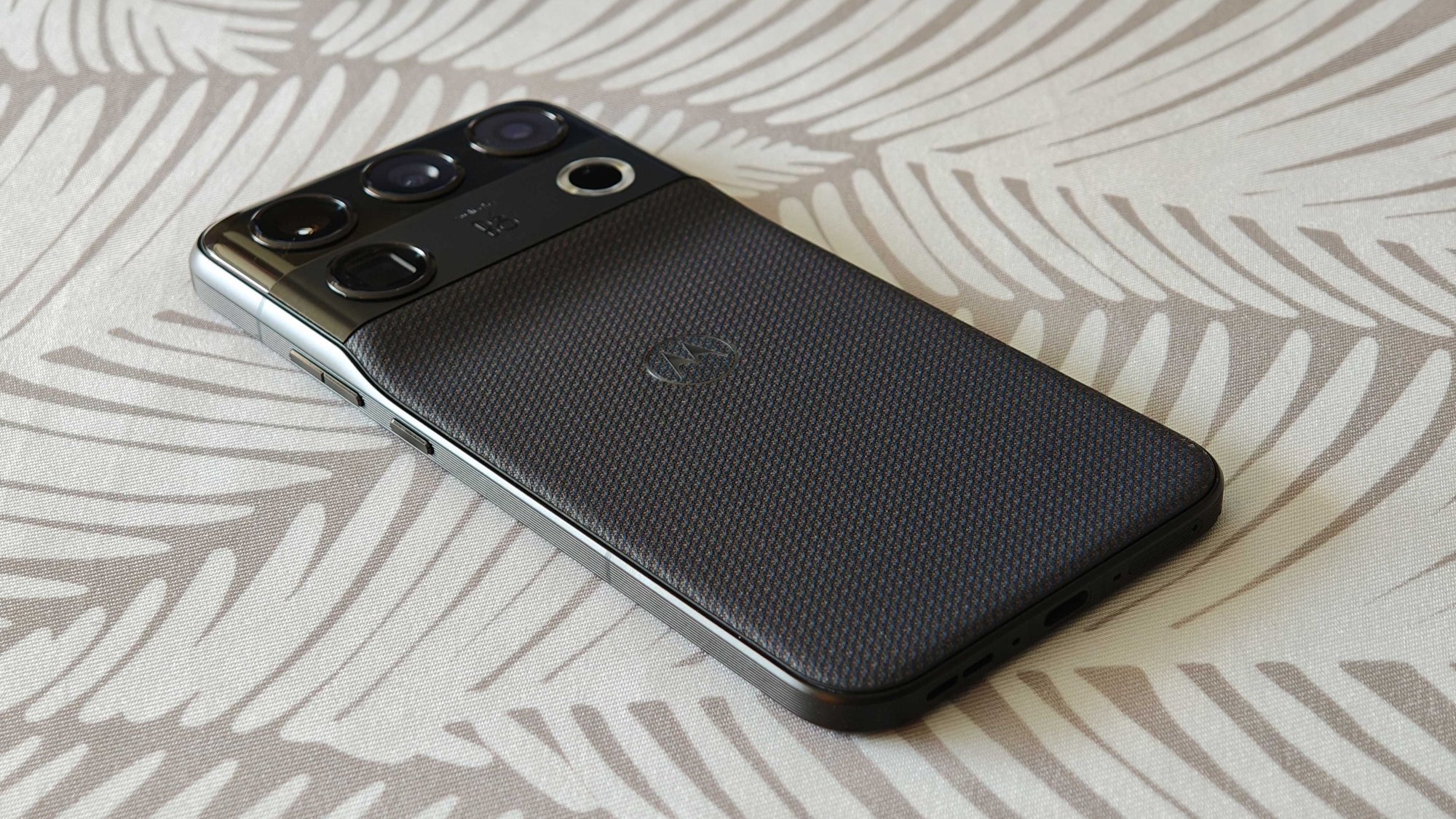
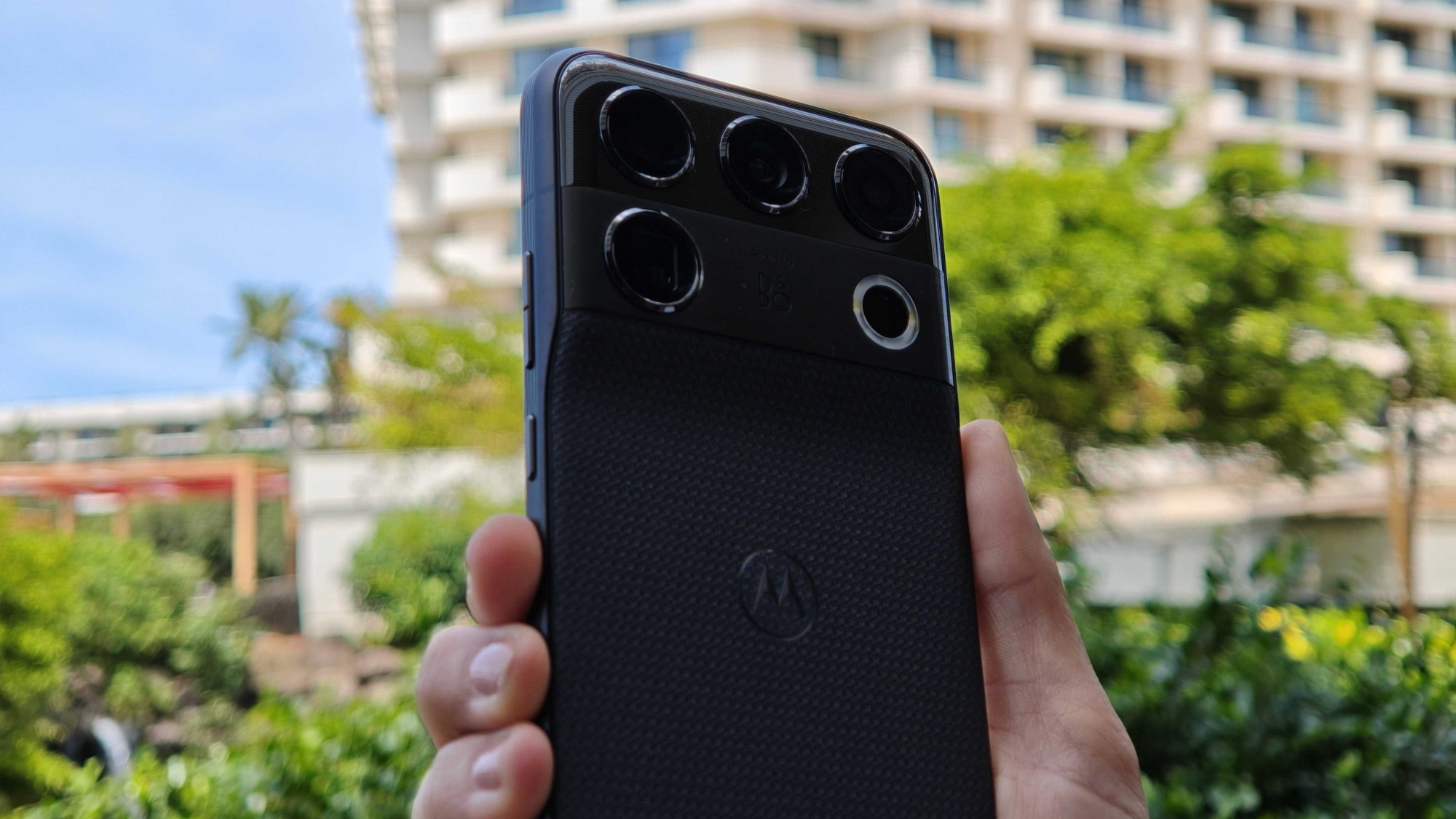
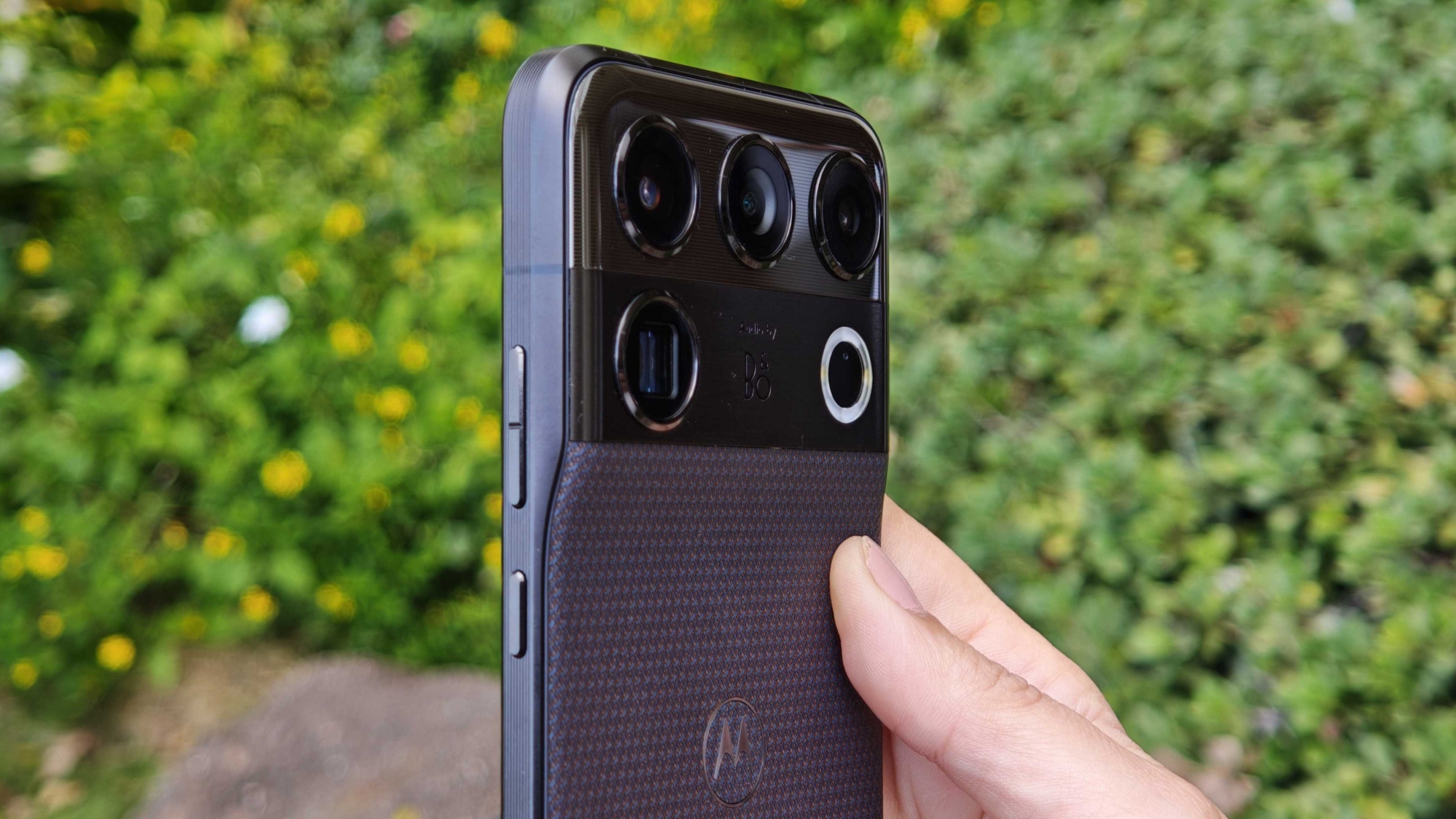
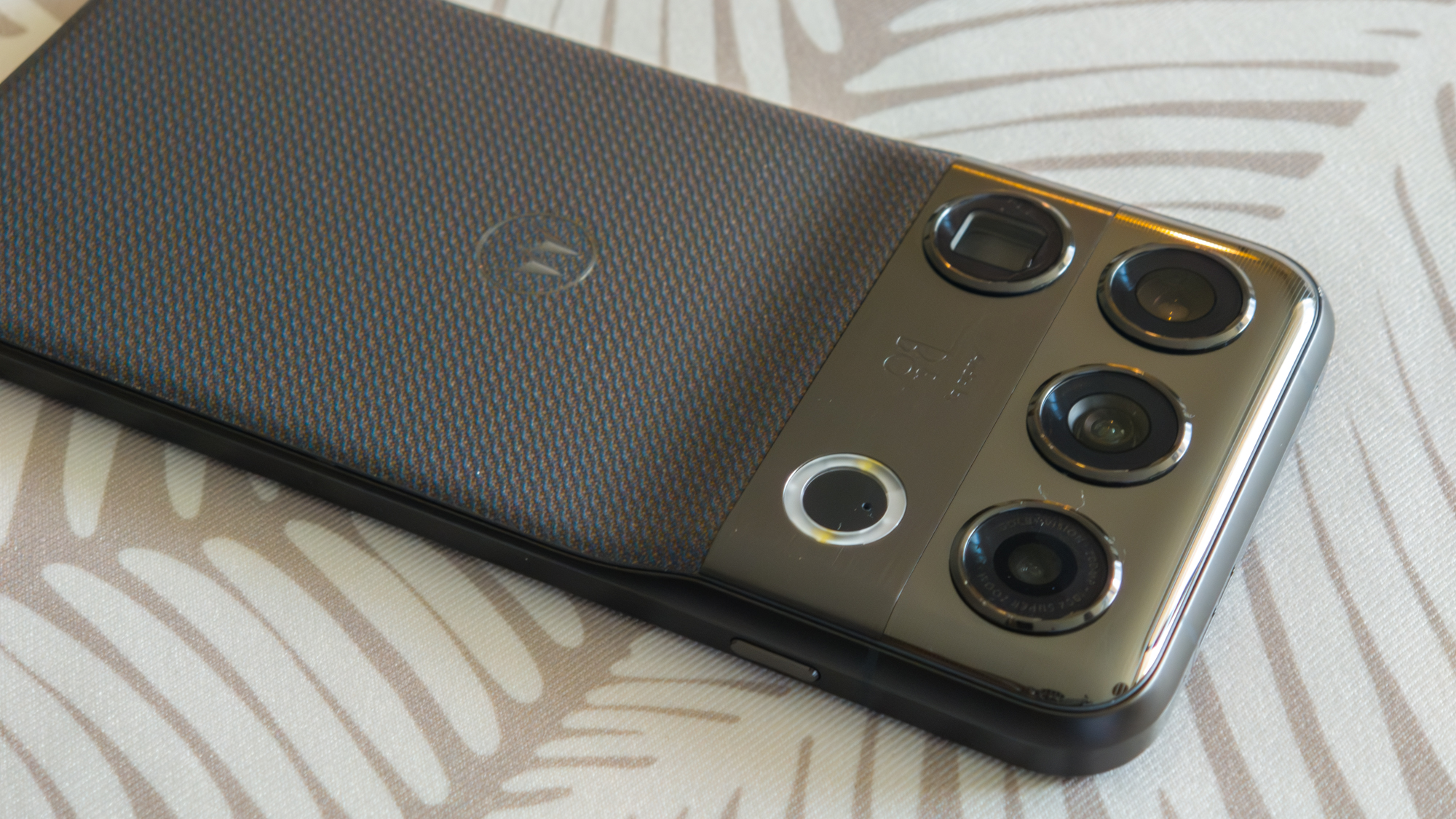
The Signature 27 also introduces a bold new design language that represents a departure from the curved-edge aesthetics of previous Motorola flagships. The most striking feature is the rear camera housing, a top-mounted island containing five distinct circular elements arranged in a layout that includes the various sensors and the flash unit.
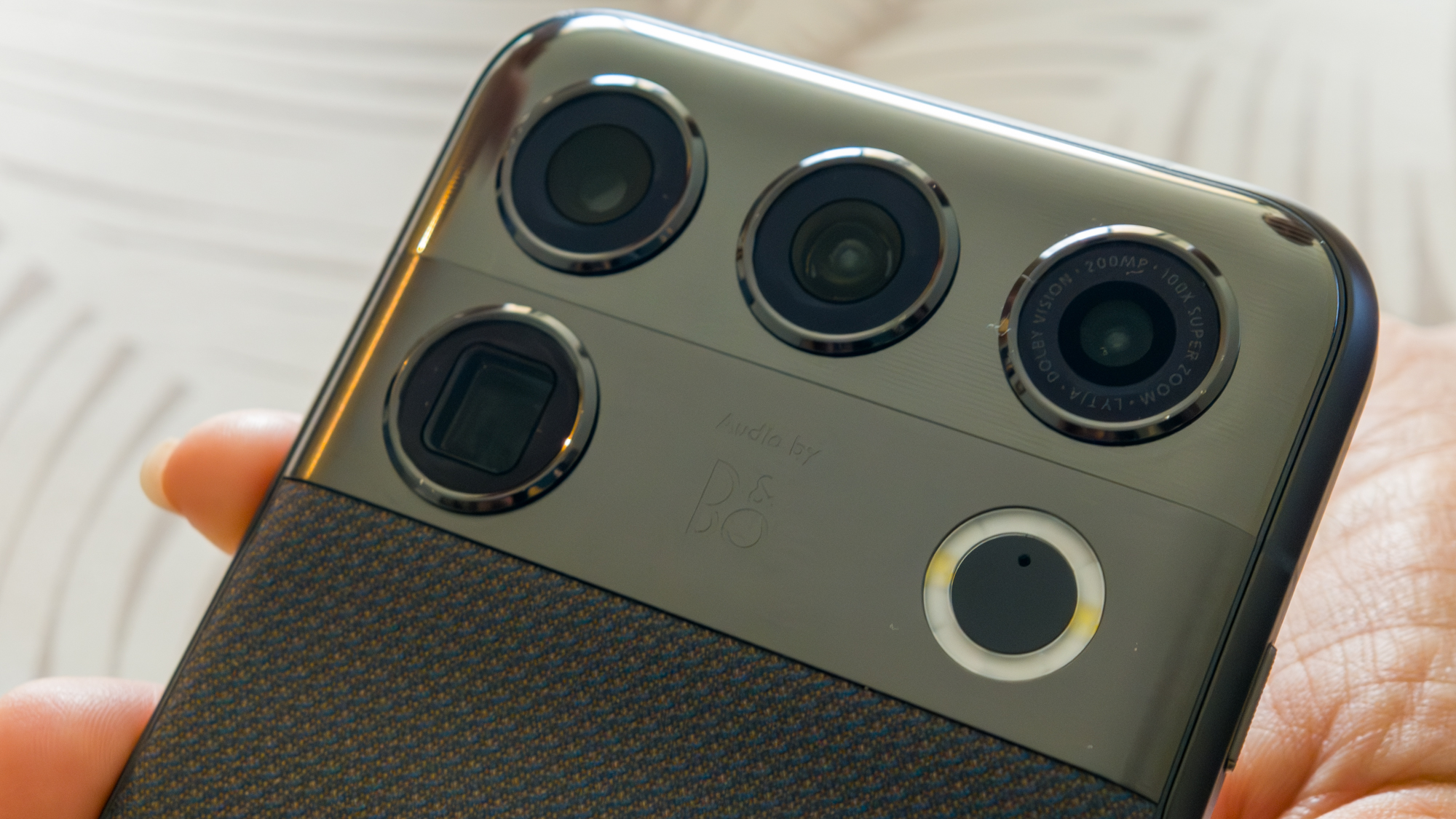
Hagen acknowledged that the design was a subject of intense internal debate, noting that the arrangement is intended to be visually and physically balanced. Unlike many modern smartphones that feature large camera "bumps" on one side, causing the phone to wobble when placed on a flat surface, the Signature 27’s housing is centered. "There’s no teeter-totter back and forth, and that was very, very well received," she noted.
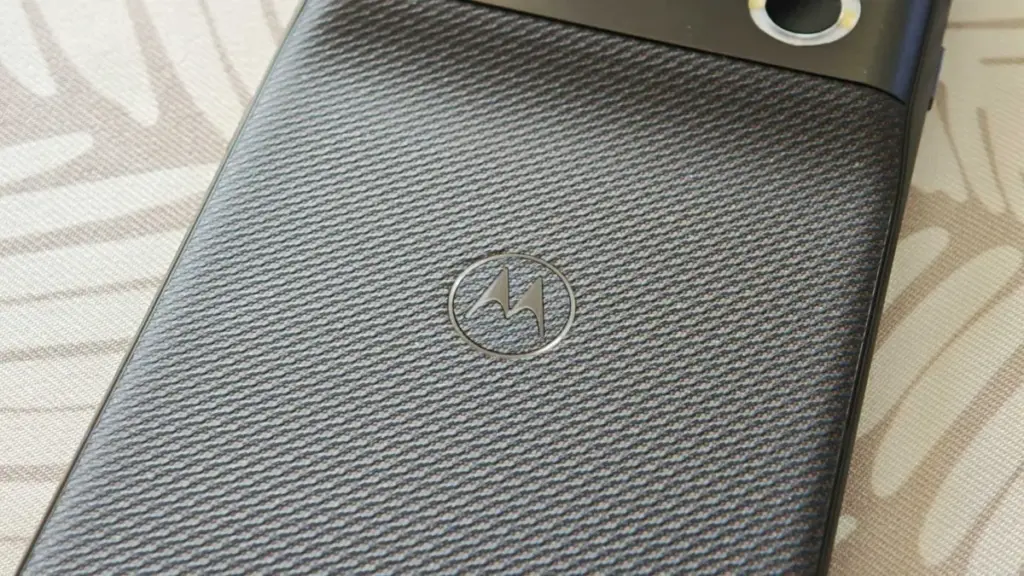
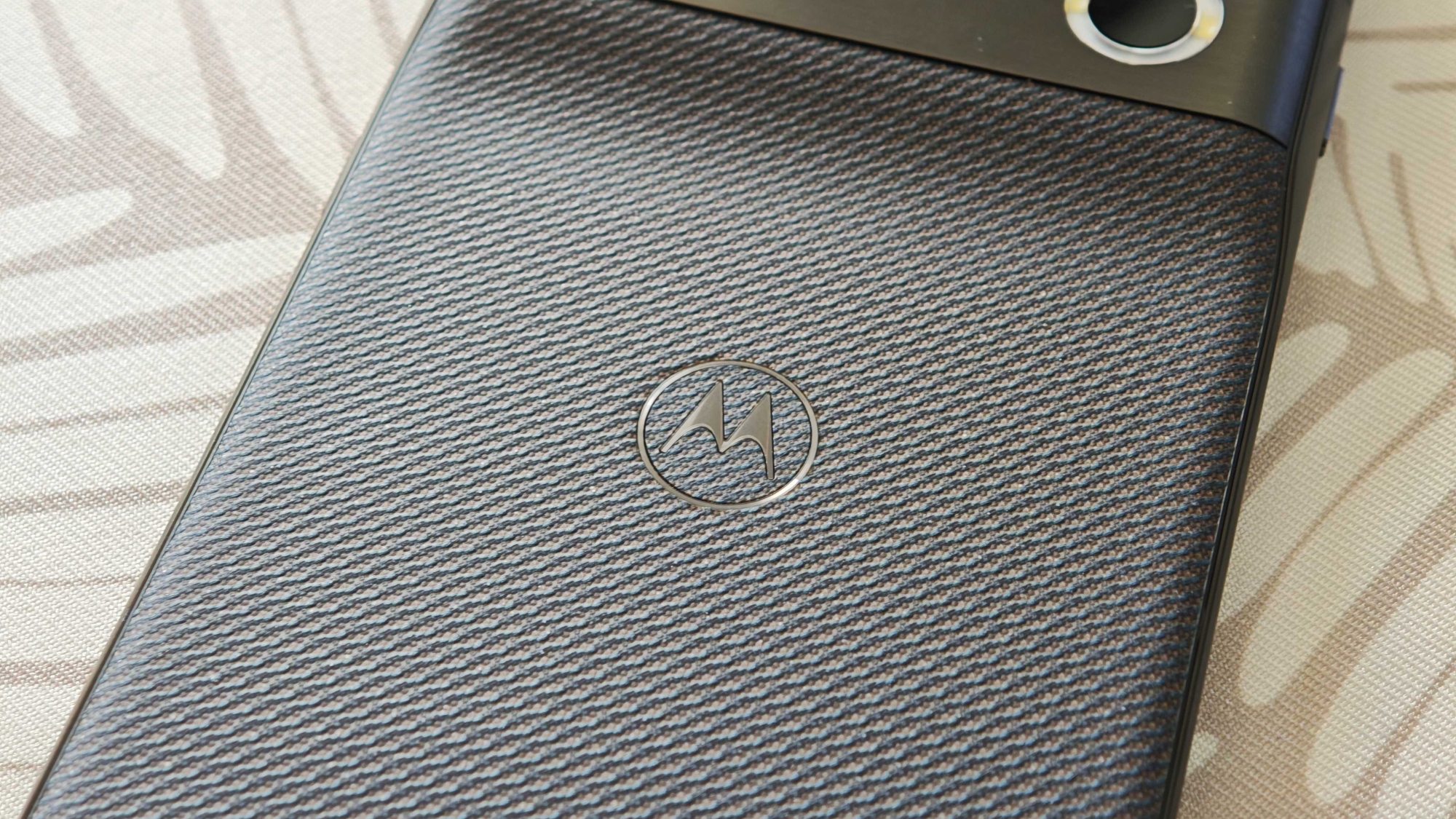
The materials used in the construction further elevate the "Signature" branding. The device will be available in two distinct textures: a "Pantone Coal Smoke" with a grippy, black woven finish, and a soft green brushed textile-inspired option. The camera island itself utilizes a mix of ceramic and brushed aluminum, creating a multi-textured look that feels more like a piece of high-end jewelry or a luxury watch than a piece of consumer electronics. Despite the heavy-hitting internals, the phone maintains a remarkably thin profile with premium metal buttons that provide tactile feedback.
Even the naming convention has seen a refresh. In a move that mirrors the automotive industry and competitors like Samsung, Motorola is moving away from including the full year in the product title for the North American market. By shortening it to "Signature 27," the company aims for a cleaner, more intuitive branding system. Hagen explained that this change helps consumers easily identify the "newness" of the product and simplifies the process of buying compatible accessories.
More to come… soon
As the Snapdragon Summit drew to a close, the excitement surrounding Motorola’s return to the flagship stage was palpable. While the company is not yet ready to reveal a specific launch date or the full spec sheet, the message is clear: Motorola is no longer playing it safe.
The Signature 27 represents the culmination of several years of steady growth and strategic partnerships. By combining Qualcomm’s most powerful mobile platform with Sony’s elite imaging sensors, Bang & Olufsen’s audio tuning, and a bold new design philosophy, Motorola is positioning itself to be more than just a "third option" in North America.
"When I said on stage the other day that this is the best device that we’ve ever created… it truly is," Hagen concluded. For a brand with a history as storied as Motorola’s, that is a significant claim. If the Signature 27 can live up to the high expectations set in Hawaii, it may well signal a new era for the company—one where its most ambitious ideas are finally available to everyone, regardless of geography.
 Mobile Device Management (MDM) & Mobile OS
Google’s New Vision for Computing: A Hands-On Look at the First Generation of Googlebooks
For years, the tech industry has buzzed with rumors that Google was...
 Mobile Device Management (MDM) & Mobile OS
Google Pixel 11 Pro XL Long-Term Review: A Refined Powerhouse Still Chasing Hardware Perfection
After a month of rigorous daily use, the Google Pixel 11 Pro...
 Mobile Device Management (MDM) & Mobile OS
Google Announces Inaugural Play Fest: A Week-Long Global Celebration of Apps, Gaming, and Rewards
In a significant move to deepen user engagement within its digital ecosystem,...






