
After a month of rigorous daily use, the Google Pixel 11 Pro XL has firmly established itself as a cornerstone of the premium smartphone market. For many, the "honeymoon phase" with a new device ends within the first week, but thirty days with Google’s latest flagship reveals a more nuanced story. It is a device defined by high-level refinement, class-leading software, and a few persistent hardware quirks that suggest Google is still finding its footing in the ultra-premium tier.
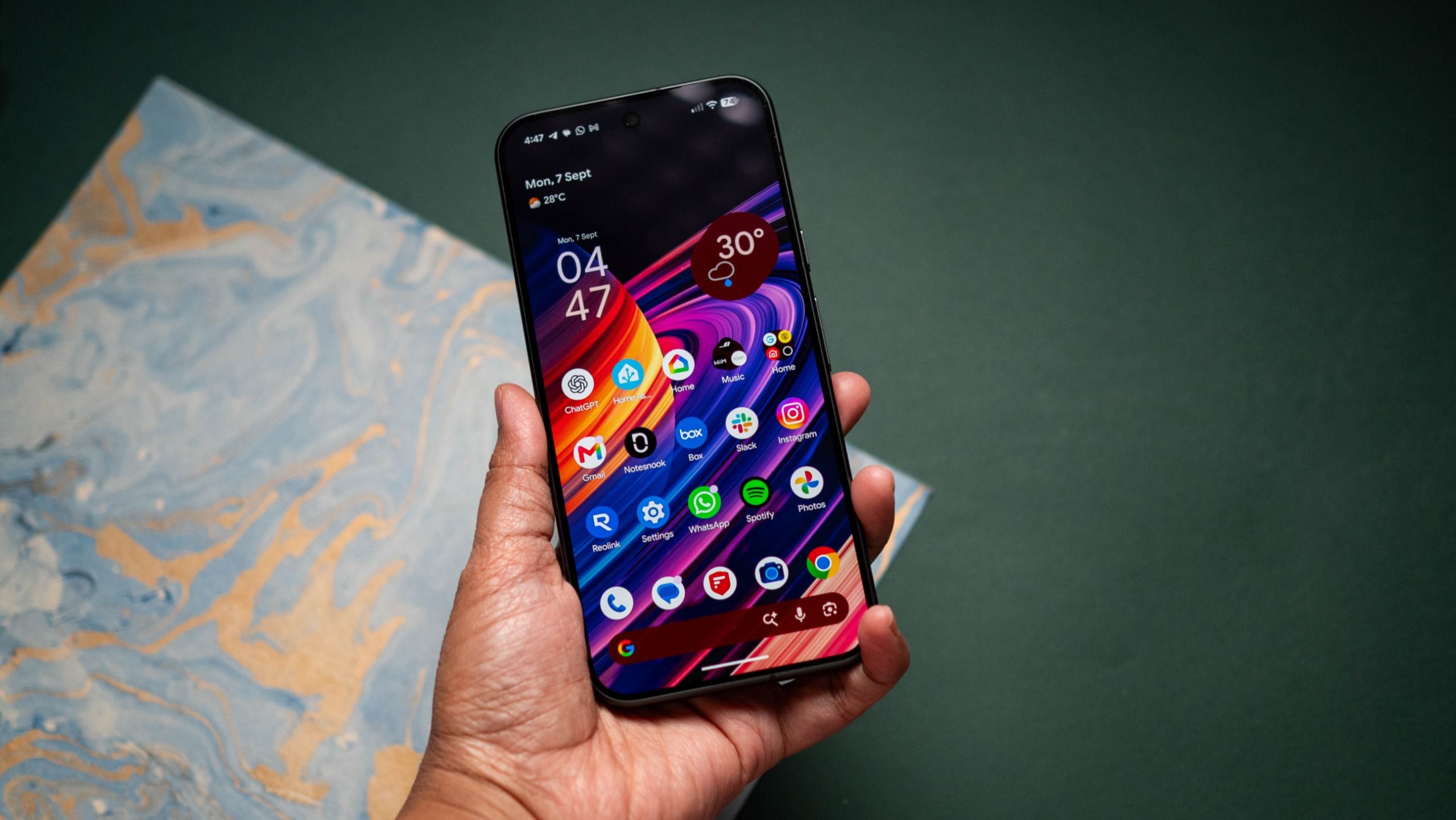
The Pixel 11 Pro XL represents an evolution of the design language Google has been honing for several generations. While it does not reinvent the wheel compared to the previous 10 Pro XL, the subtle adjustments make for a significantly improved user experience. In a market saturated with iterative updates, the Pixel 11 Pro XL manages to feel both familiar and fresh, though it faces stiff competition from both domestic rivals and the "ultra" flagships emerging from China.
Built to Last: Design and Real-World Durability
One of the most immediate impressions of the Pixel 11 Pro XL is its physical presence. At 226g, it is undeniably a heavy device, yet Google has managed a level of weight distribution that prevents it from feeling unwieldy. The Obsidian model, while lacking the vibrant flair of the "Canyon" colorway, offers a sophisticated, all-matte texture that is a joy to hold. This matte finish is not just an aesthetic choice; it provides a level of grip and resistance to fingerprints that glossy competitors often lack.
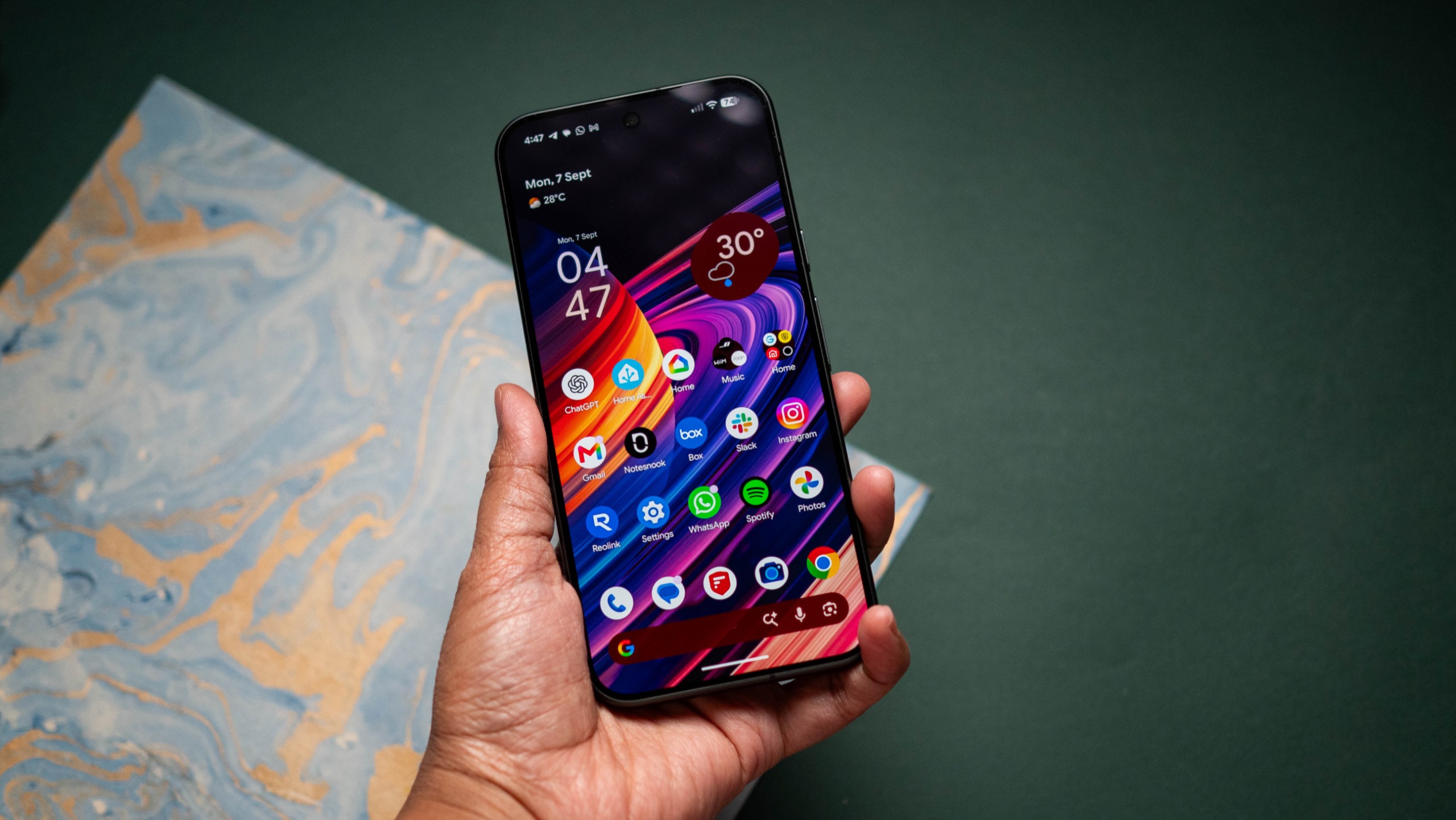
The iconic camera visor remains the centerpiece of the design. This year, Google has opted for a cleaner, more minimal look for the visor, which serves a vital functional purpose: stability. Unlike the Samsung Galaxy S26 Ultra, which suffers from a notorious "wobble" when placed on a flat surface, the Pixel 11 Pro XL remains perfectly steady. This design choice makes the phone much more usable when it is resting on a desk or table, a small but significant quality-of-life improvement.
Durability, however, is where the Pixel 11 Pro XL truly surprised. Over the course of a month, the device endured more than a dozen accidental drops. In one particularly harrowing incident, the phone slipped face-down onto a tiled floor. A panicked attempt to catch it resulted in the device being kicked across the room—a scenario that would typically spell disaster for a glass-sandwich flagship. Remarkably, the Gorilla Glass panels on both the front and rear remained intact. While the aluminum mid-frame sustained some minor scuffs and one edge of the screen showed a slight scratch, the structural integrity of the phone held up admirably. This level of resilience suggests that Google has finally mastered the fit and finish that eluded earlier Pixel generations.
The Camera Experience: Software vs. Hardware
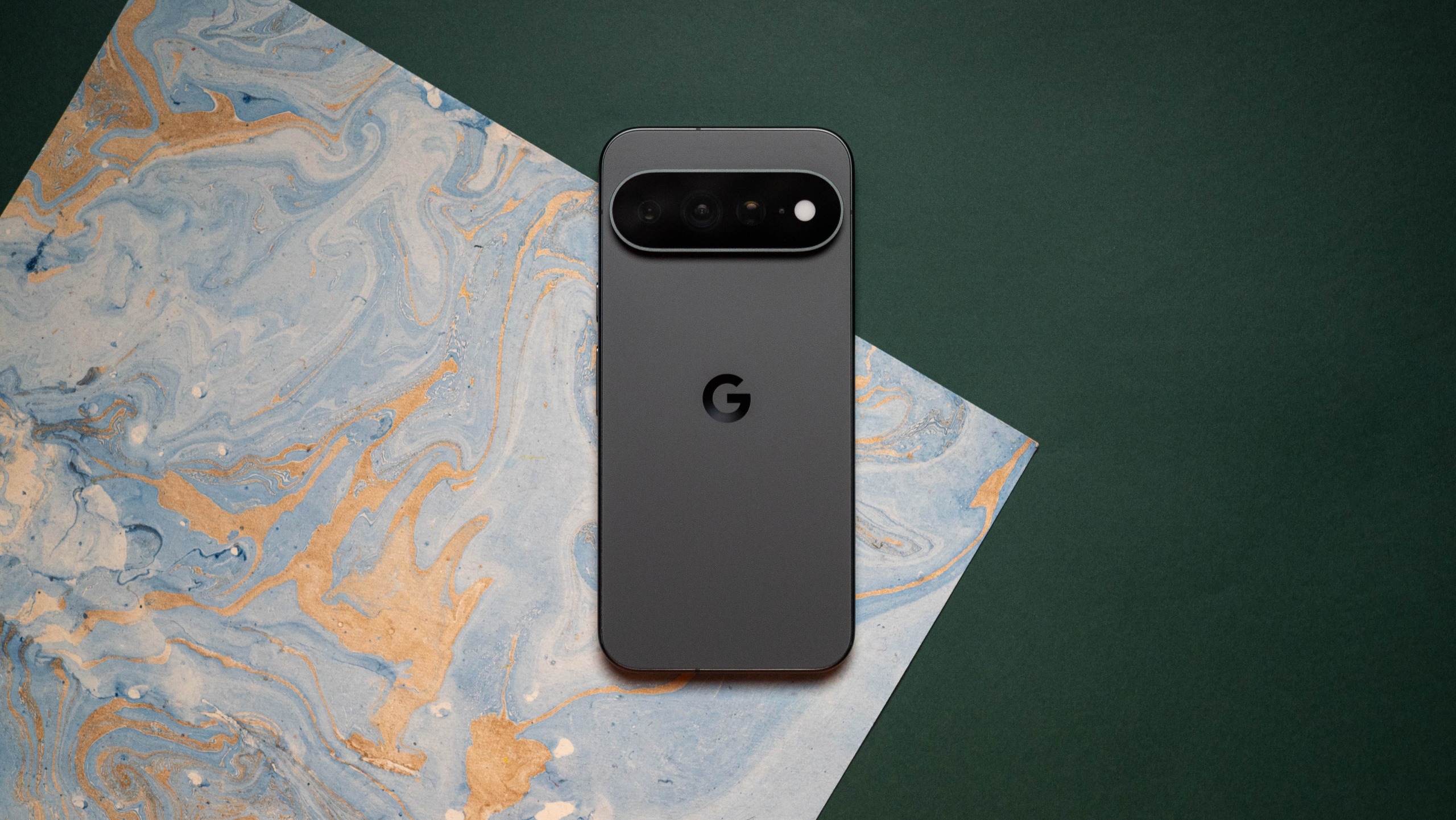
Google has long relied on its computational photography prowess to lead the market, often using software to bridge the gap where its hardware lagged behind. With the Pixel 11 Pro XL, that philosophy remains at the forefront. The camera system is undeniably good—delivering the signature "Pixel look" with excellent dynamic range and contrast—but it is beginning to show its limitations when compared to the absolute peak of mobile optics.
During a hands-on briefing for the new iPhone Duo, the Pixel 11 Pro XL was put to the test as a primary tool for product photography. In the challenging, inconsistent lighting typical of such events, the limitations of the Pixel’s sensor size and resolution became apparent. While the phone produced usable shots, the effort required to get a professional-grade image was significantly higher than it would have been with a device like the Oppo Find X9 Ultra or the Xiaomi 17 Ultra.
 Mobile Device Management (MDM) & Mobile OS
Google to Replace Gemini Gems with Modular ‘Skills’ Starting in October
Google is preparing a significant evolution for its artificial intelligence ecosystem, announcing...
 Mobile Device Management (MDM) & Mobile OS
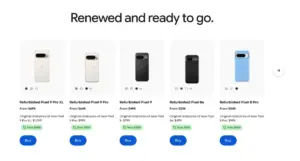
Google Expands Certified Refurbished Program to Include Pixel 9 Series with Significant Price Cuts
Google has officially expanded its hardware offerings in the United States by...
 Mobile Device Management (MDM) & Mobile OS
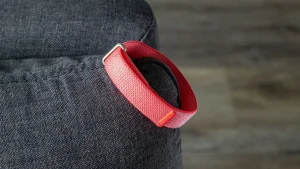
Google Prepared to Expand Wearable Lineup with New Fitbit Edge Tracker
The landscape of the wearable technology market is undergoing a significant shift...







