
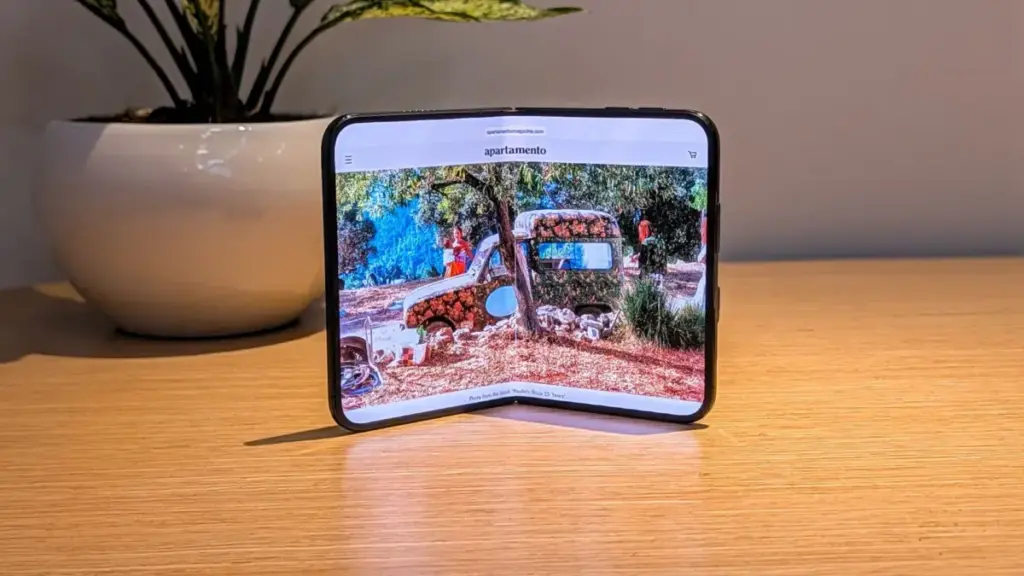
After a month of rigorous daily use, the Google Pixel 11 Pro XL has firmly established itself as a cornerstone of the premium smartphone market. For many, the "honeymoon phase" with a new device ends within the first week, but thirty days with Google’s latest flagship reveals a more nuanced story. It is a device defined by high-level refinement, class-leading software, and a few persistent hardware quirks that suggest Google is still finding its footing in the ultra-premium tier.
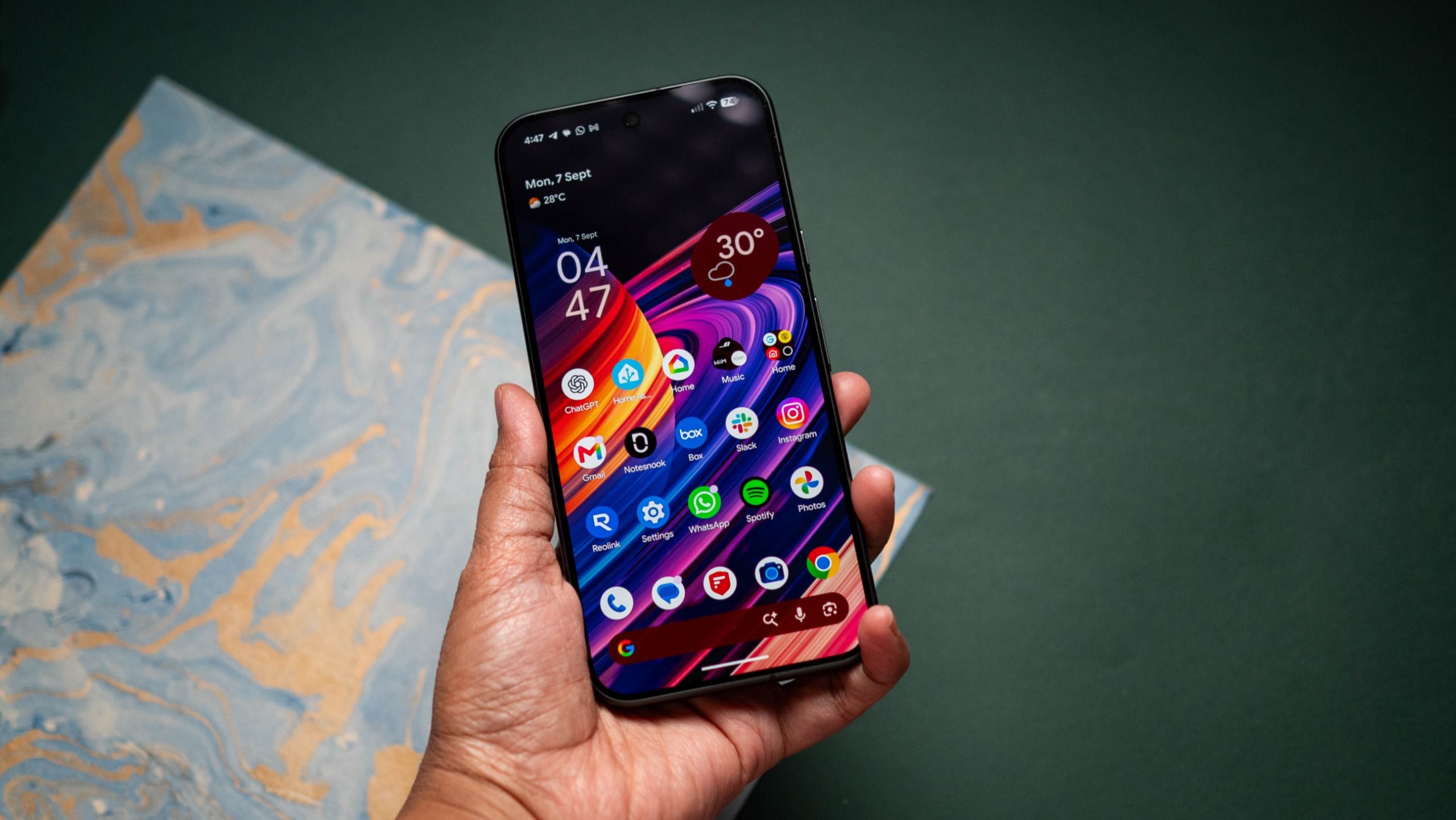
The Pixel 11 Pro XL represents an evolution of the design language Google has been honing for several generations. While it does not reinvent the wheel compared to the previous 10 Pro XL, the subtle adjustments make for a significantly improved user experience. In a market saturated with iterative updates, the Pixel 11 Pro XL manages to feel both familiar and fresh, though it faces stiff competition from both domestic rivals and the "ultra" flagships emerging from China.
Built to Last: Design and Real-World Durability
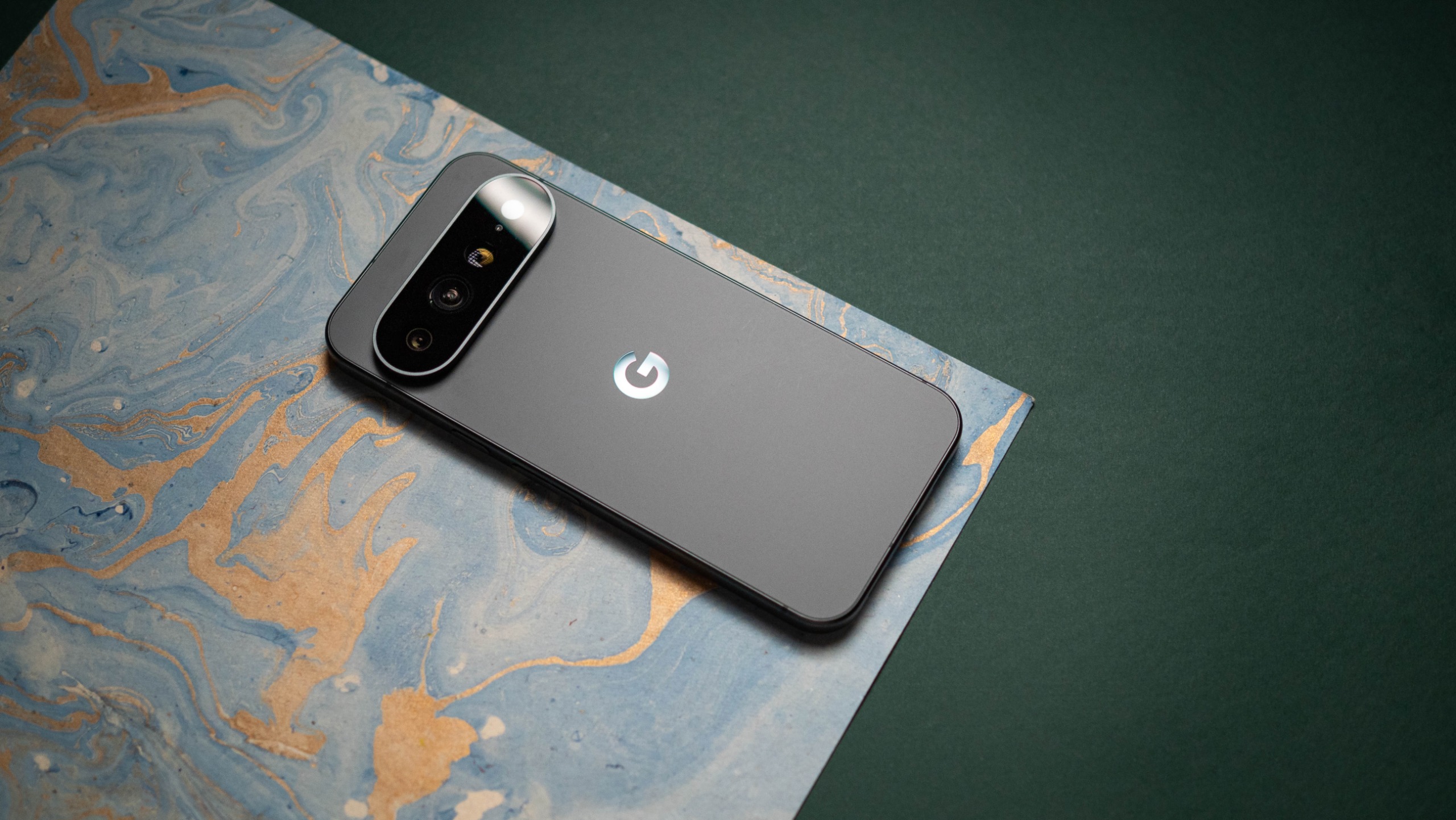
One of the most immediate impressions of the Pixel 11 Pro XL is its physical presence. At 226g, it is undeniably a heavy device, yet Google has managed a level of weight distribution that prevents it from feeling unwieldy. The Obsidian model, while lacking the vibrant flair of the "Canyon" colorway, offers a sophisticated, all-matte texture that is a joy to hold. This matte finish is not just an aesthetic choice; it provides a level of grip and resistance to fingerprints that glossy competitors often lack.
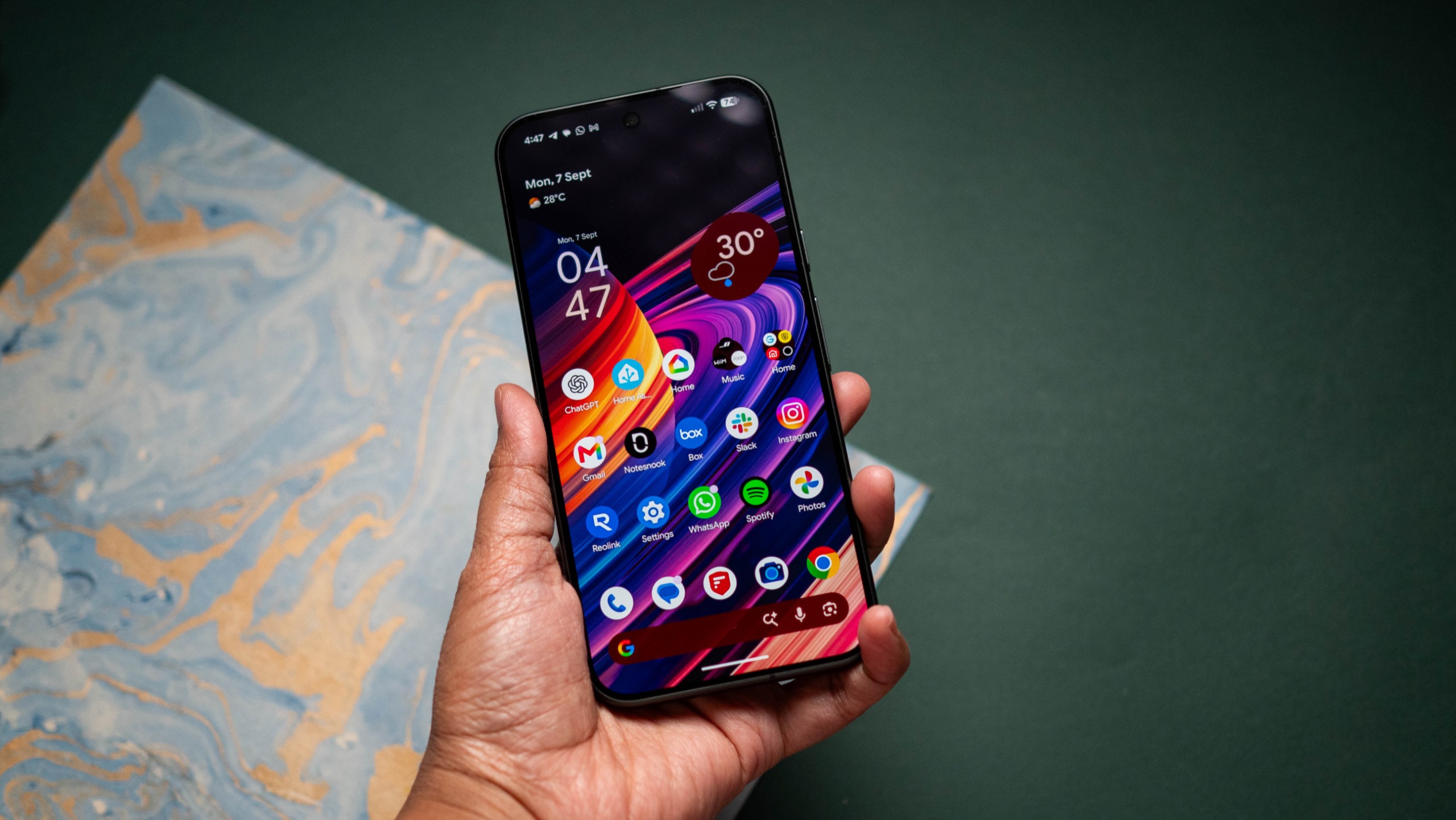
The iconic camera visor remains the centerpiece of the design. This year, Google has opted for a cleaner, more minimal look for the visor, which serves a vital functional purpose: stability. Unlike the Samsung Galaxy S26 Ultra, which suffers from a notorious "wobble" when placed on a flat surface, the Pixel 11 Pro XL remains perfectly steady. This design choice makes the phone much more usable when it is resting on a desk or table, a small but significant quality-of-life improvement.
Durability, however, is where the Pixel 11 Pro XL truly surprised. Over the course of a month, the device endured more than a dozen accidental drops. In one particularly harrowing incident, the phone slipped face-down onto a tiled floor. A panicked attempt to catch it resulted in the device being kicked across the room—a scenario that would typically spell disaster for a glass-sandwich flagship. Remarkably, the Gorilla Glass panels on both the front and rear remained intact. While the aluminum mid-frame sustained some minor scuffs and one edge of the screen showed a slight scratch, the structural integrity of the phone held up admirably. This level of resilience suggests that Google has finally mastered the fit and finish that eluded earlier Pixel generations.
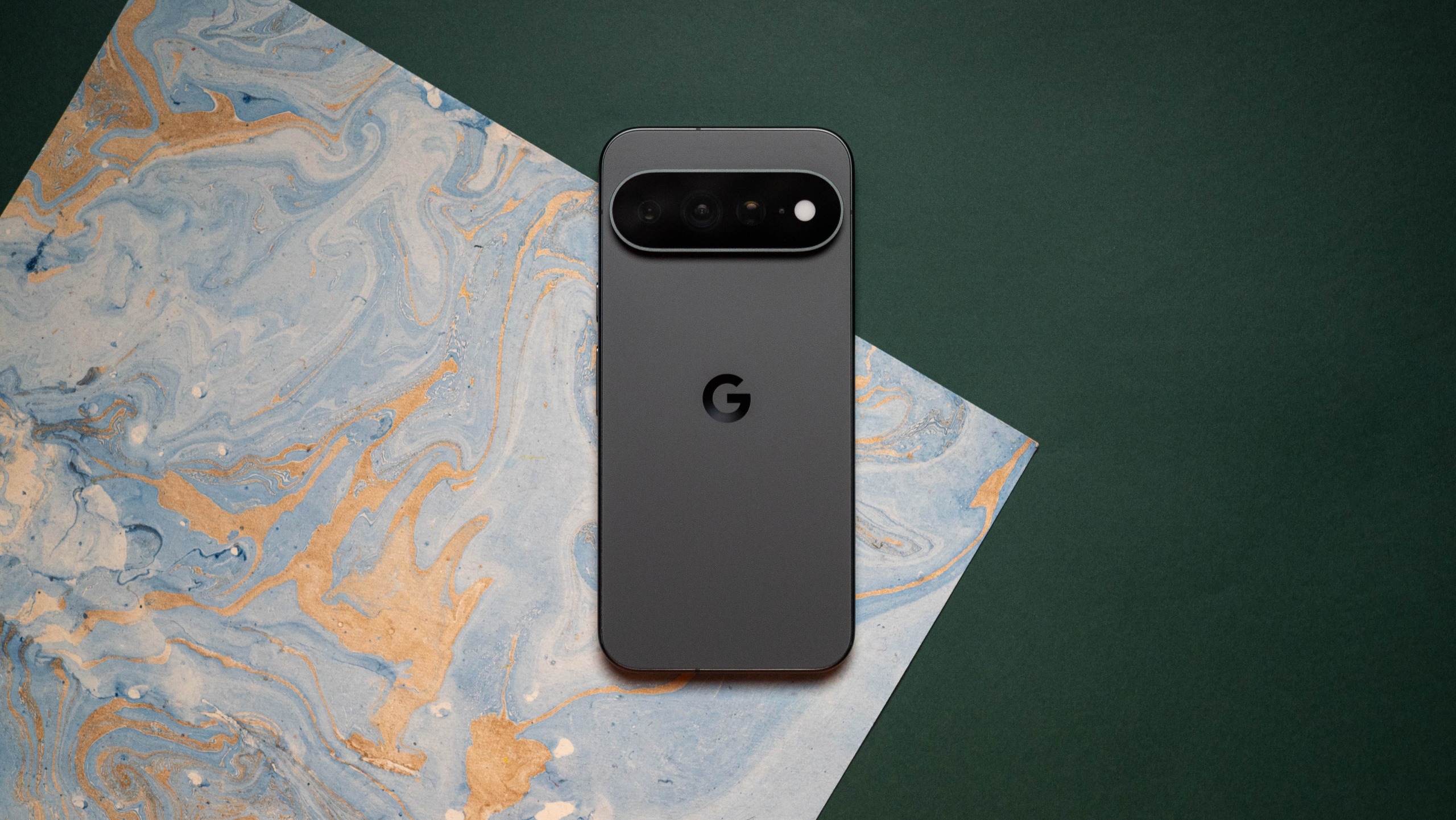
The Camera Experience: Software vs. Hardware
Google has long relied on its computational photography prowess to lead the market, often using software to bridge the gap where its hardware lagged behind. With the Pixel 11 Pro XL, that philosophy remains at the forefront. The camera system is undeniably good—delivering the signature "Pixel look" with excellent dynamic range and contrast—but it is beginning to show its limitations when compared to the absolute peak of mobile optics.
During a hands-on briefing for the new iPhone Duo, the Pixel 11 Pro XL was put to the test as a primary tool for product photography. In the challenging, inconsistent lighting typical of such events, the limitations of the Pixel’s sensor size and resolution became apparent. While the phone produced usable shots, the effort required to get a professional-grade image was significantly higher than it would have been with a device like the Oppo Find X9 Ultra or the Xiaomi 17 Ultra.
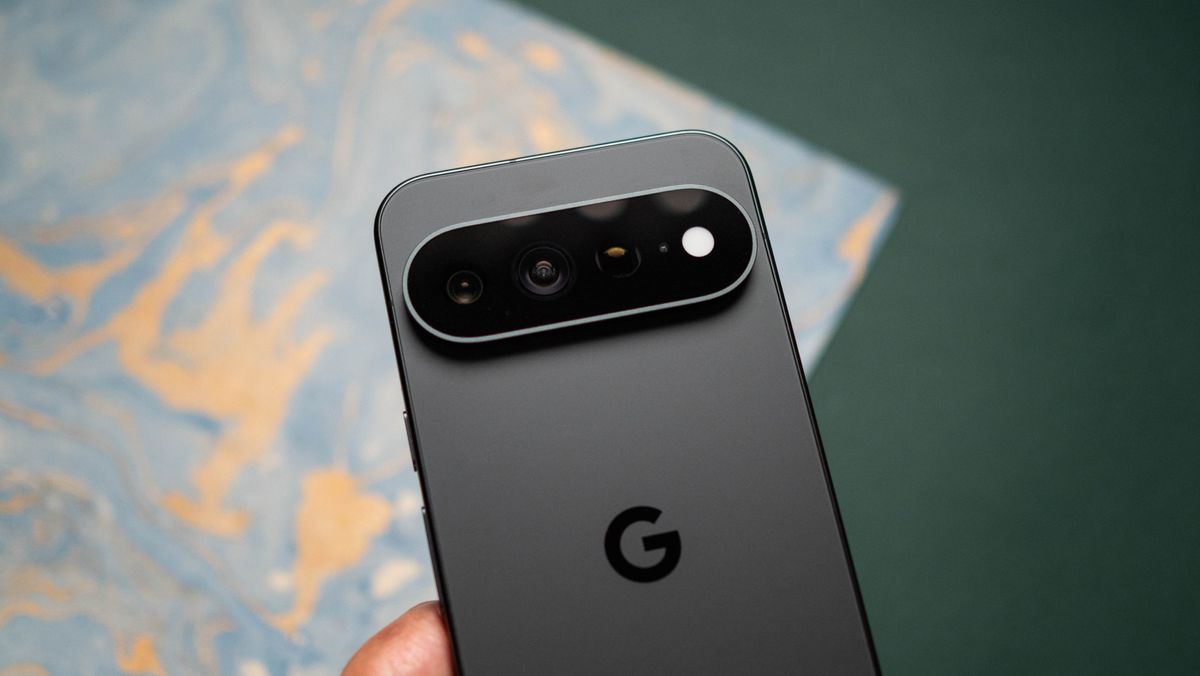
The current landscape of Chinese flagships has moved toward one-inch sensors and high-resolution periscope lenses, hardware that allows for a level of natural bokeh and low-light detail that software cannot entirely replicate. While the Pixel 11 Pro XL holds its own against the iPhone 18 Pro Max and the Galaxy S26 Ultra, it feels a step behind the "Ultra" class of phones coming out of Asia. For the average user, the Pixel’s cameras are more than sufficient, but for enthusiasts who demand the best possible hardware, the call for a "Pixel Ultra" is louder than ever.
Connectivity: The Persistent Achilles’ Heel
Perhaps the most discussed aspect of the Pixel line in recent years has been the reliability of its cellular modem. For the Pixel 11 Pro XL, Google made a significant hardware shift by utilizing a MediaTek-sourced modem. While this has resulted in a noticeable improvement over the much-maligned modems of the past, the experience is still not entirely flawless.
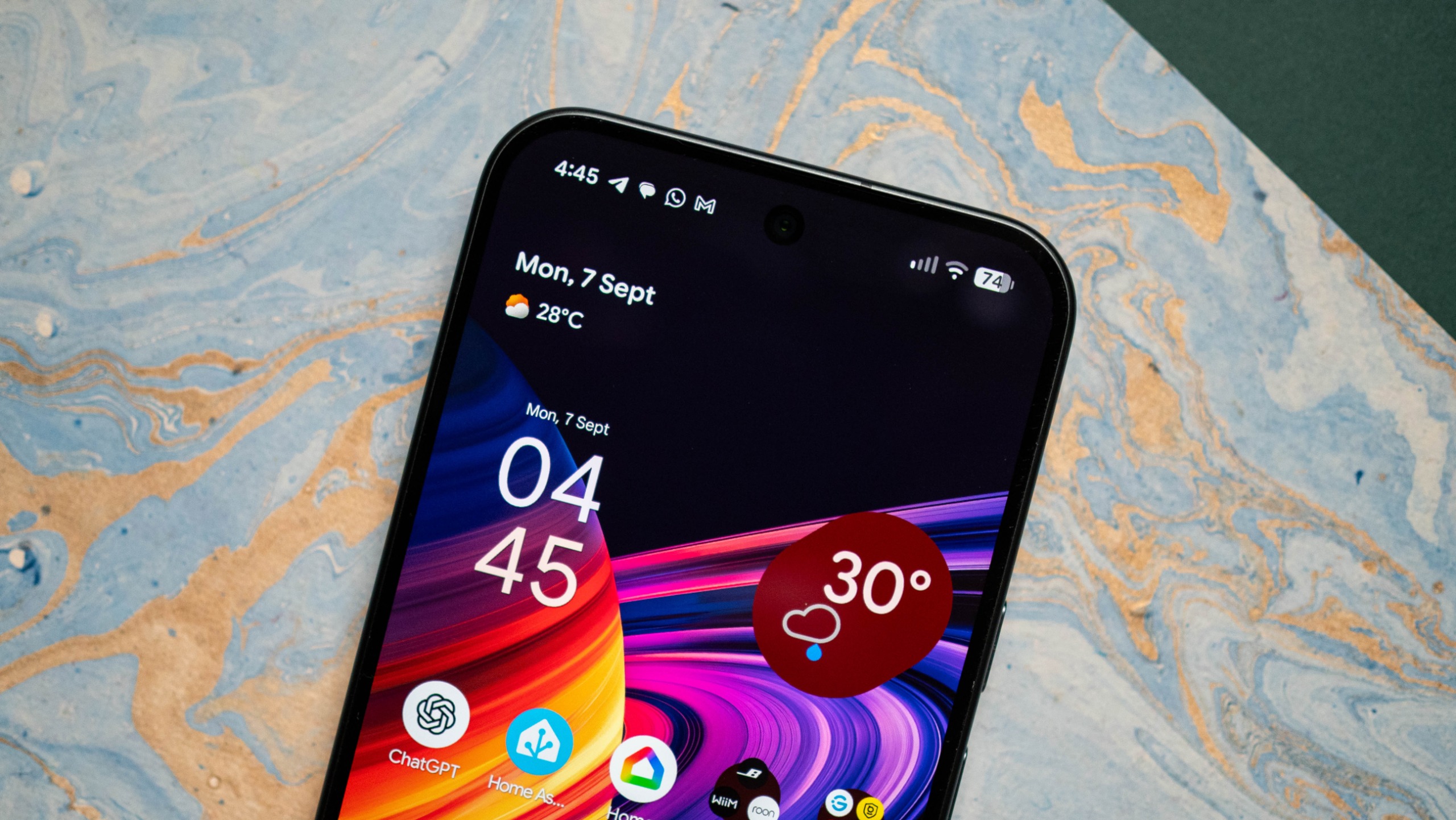
Throughout the month of testing, connectivity remained a mixed bag. There were frequent instances where the device would drop to an LTE signal in areas where 5G coverage is typically robust and reliable. More frustrating were the intermittent Wi-Fi disconnections. Even on a stable home network, the phone would occasionally lose its connection, requiring a manual toggle of the internet tile to re-register.
While these might be viewed as minor quibbles in isolation, they become more significant when considering the device’s $1,199 price tag. In the ultra-premium segment, users expect a level of "invisible" reliability where they never have to think about their connection. Competitors in this price bracket have largely solved these issues, leaving Google with more work to do to ensure its hardware matches its software ambitions.
Battery Life and the Qi 2.2 Advantage
On paper, the 5,115mAh battery of the Pixel 11 Pro XL might seem modest compared to the massive 7,000mAh units found in some international rivals. However, real-world usage proves that capacity is only half the story. Thanks to significant efficiency gains in Google’s latest architecture, the Pixel 11 Pro XL comfortably lasts through a full day of heavy use.
Even on busy travel days involving heavy GPS usage and hundreds of camera shutter activations, the phone rarely dipped into critical battery levels before the end of the night. When it does need a top-up, a full charge can be achieved in approximately one hour.
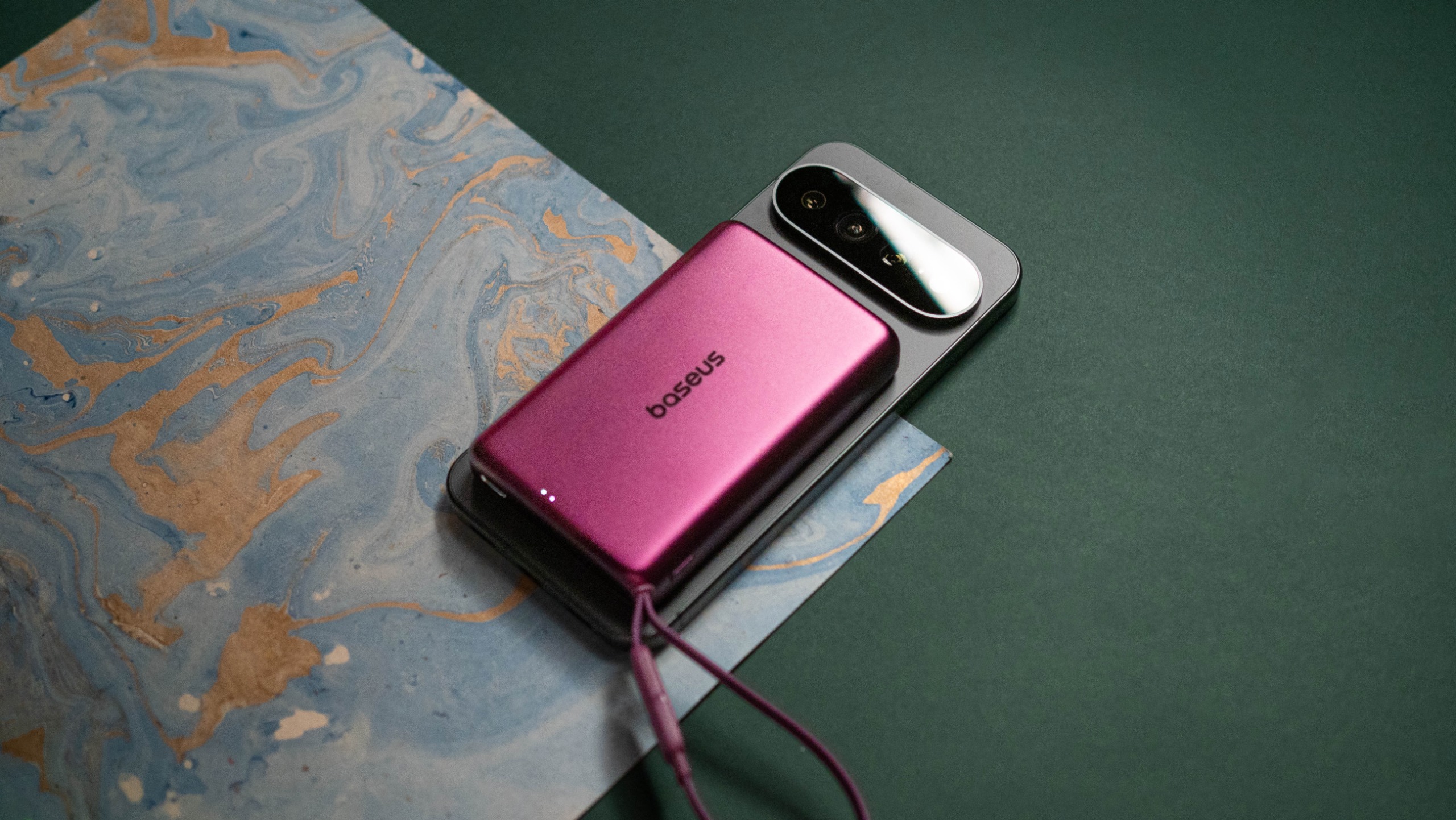
A standout feature this year is the integration of Qi 2.2. The magnetic alignment system, similar in function to Apple’s MagSafe, is a game-changer for the Android ecosystem. For users who prefer to go "caseless," the ability to securely snap on Qi 2.2 power banks and chargers adds a layer of convenience that is hard to give up once experienced. It is a forward-thinking inclusion that enhances the overall utility of the device without adding bulk.
Software: The Soul of the Pixel
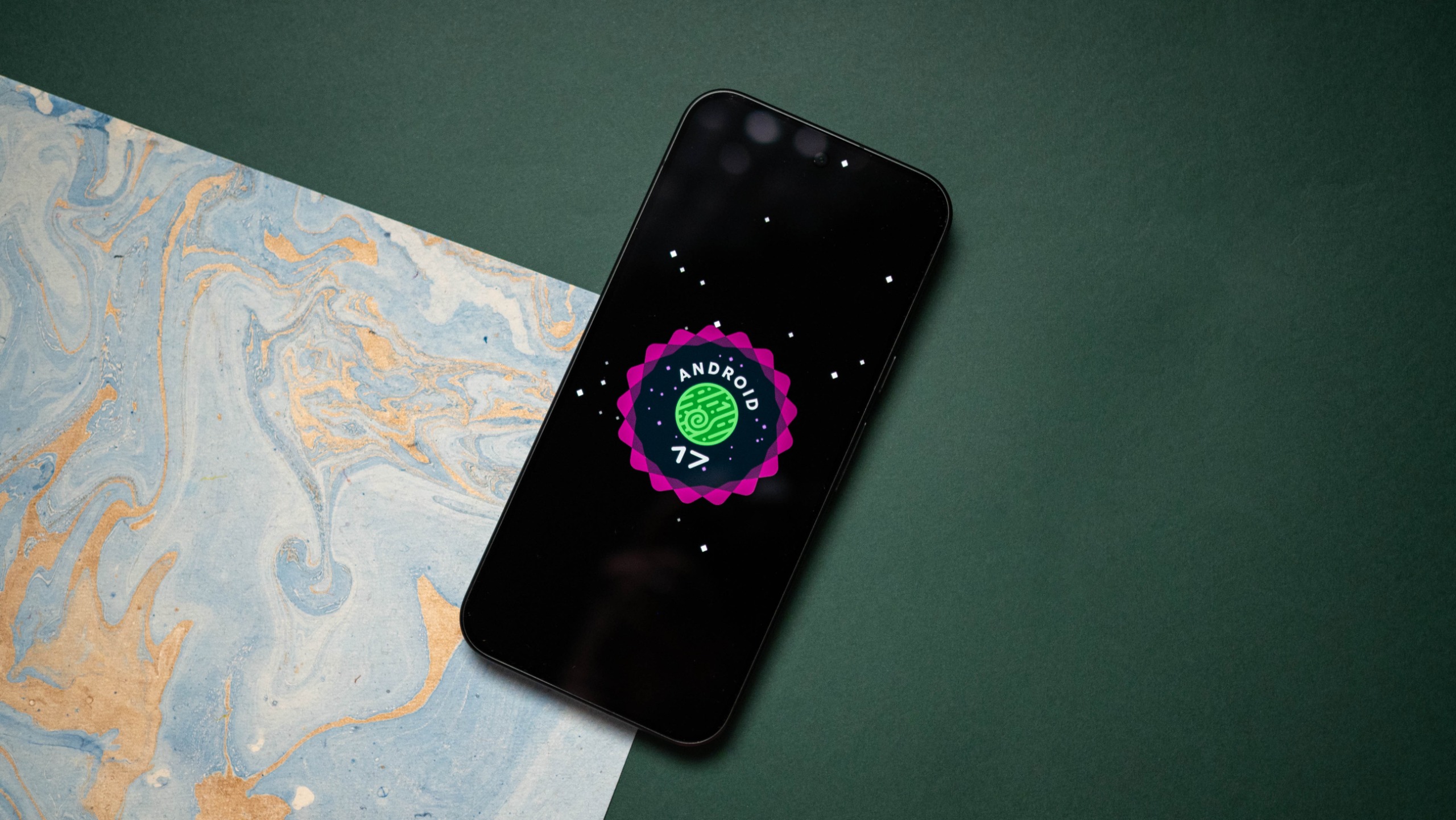
If hardware is where the Pixel 11 Pro XL faces its toughest critiques, software is where it finds its redemption. Android 17 on the Pixel remains the gold standard for the Android experience. It is clean, visually vibrant, and devoid of the bloatware that plagues many other manufacturers.
Google has leaned heavily into AI features this year, and while some of these can feel aggressive or unnecessary, they are easily ignored by those who don’t want them. However, some AI-driven tools have proven to be genuinely transformative. "Rambler" in Gboard, for instance, has become an essential tool for the daily workflow, offering a level of intuitive assistance that makes switching back to other devices—including the iPhone—difficult.
The level of customization available in Android 17 allows the Pixel to feel truly personal. From the Material You color coordination to the smooth, fluid animations, the software experience is where the Pixel 11 Pro XL earns its keep. It is the primary reason many users remain loyal to the brand despite the hardware competition.
Verdict: A Strong Foundation for the Future
The Google Pixel 11 Pro XL is a refined, highly capable flagship that represents the best of what Google can currently offer. It is a durable, beautiful device with software that remains unmatched in its elegance and utility. For users upgrading from an older Pixel or looking for a clean, AI-forward alternative to Samsung or Apple, it is an easy recommendation.
However, the month-long journey with the device also highlights the growing gap between Google and the cutting edge of mobile hardware. To truly compete with the "Ultra" flagships of the world, Google needs to move beyond its reliance on software optimization and embrace higher-resolution sensors and more robust modem technology. The Pixel 11 Pro XL is a great phone, but it serves as a reminder that a "Pixel Ultra" might be the only way for Google to finally claim the undisputed crown of the smartphone world.
 Mobile Device Management (MDM) & Mobile OS
Power on the Move: Why High-Wattage Wired Charging is Becoming Essential for Modern Travelers
In the rapidly evolving landscape of mobile technology, the way we power...
 Mobile Device Management (MDM) & Mobile OS
Nimble SharePower Redefines Portable Charging by Splitting the Difference for Modern Travelers
In the modern era of high-performance smartphones and power-hungry mobile applications, the...
 Mobile Device Management (MDM) & Mobile OS
Google Bridges the Ecosystem Gap as Better Together Features Roll Out to Samsung Galaxy Devices
When Google officially pulled the curtain back on the Googlebook, the tech...







