
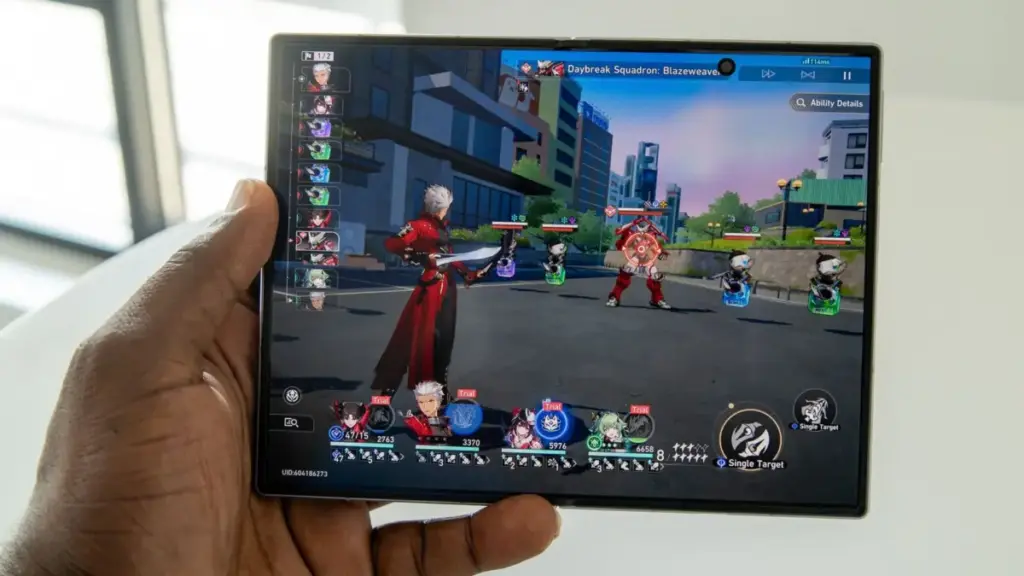
The landscape of the mobile industry is preparing for a significant shift as the next generation of hardware begins to take shape. While foldable smartphones have occupied a niche—albeit growing—segment of the market for several years, a new trajectory is emerging that could redefine the premium handset category. According to recent research from the industry analysts at Omdia, the foldable smartphone display market is poised for a major "rebound" in 2026. This resurgence is expected to be driven by a transition in form factor preferences, specifically the rise of the "wide-screen foldable," and the continued market dominance of industry titans Samsung and Apple.
In a report published on October 21, Omdia forecasted that shipments of Low-Temperature Polycrystalline Oxide (LTPO) AMOLED foldable displays are expected to grow by a staggering 44% in 2026. This optimistic outlook comes at a critical juncture for the industry, which has faced significant headwinds in recent quarters. The analyst firm suggests that the market’s recovery will be spearheaded by a move toward wider screen ratios, a design trend that has gained considerable momentum as consumers seek more utility and better ergonomics from their high-end devices.
Brain Huh, a principal analyst at Omdia, highlighted the pivotal role these larger form factors will play in the coming years. According to Huh, display shipments for wide-screen foldable smartphones are expected to account for 44% of total foldable panel shipments by 2026. This shift marks a departure from the narrower, more elongated designs that characterized the early generations of foldable technology, suggesting that both manufacturers and consumers are settling on a preferred geometry for the future of the category.
The Era of the Wide-Screen Foldable
The discussion regarding the "wide-screen" trend is inextricably linked to the recent product strategies of Samsung and Apple. Omdia’s research points to the Galaxy Z Fold 8 and the iPhone Duo as the primary catalysts for this forecasted growth. These devices represent a significant evolution in design philosophy, moving away from the "remote control" aspect ratios of the past in favor of a broader, more traditional smartphone feel when closed, which then unfolds into a more expansive, tablet-like canvas.
Samsung, in particular, is expected to "strengthen its leadership in the foldable smartphone display market" throughout the current year and into 2026. This dominance is not merely a result of its own handset sales but its position as a critical infrastructure provider for the entire industry. Samsung currently serves as the exclusive supplier of the advanced displays required for both the Galaxy Z Fold 8 and the iPhone Duo. This dual role—acting as both a primary competitor and a vital component partner—places Samsung in a unique position to capitalize on the growth of the segment, regardless of which individual handset wins the consumer’s favor.
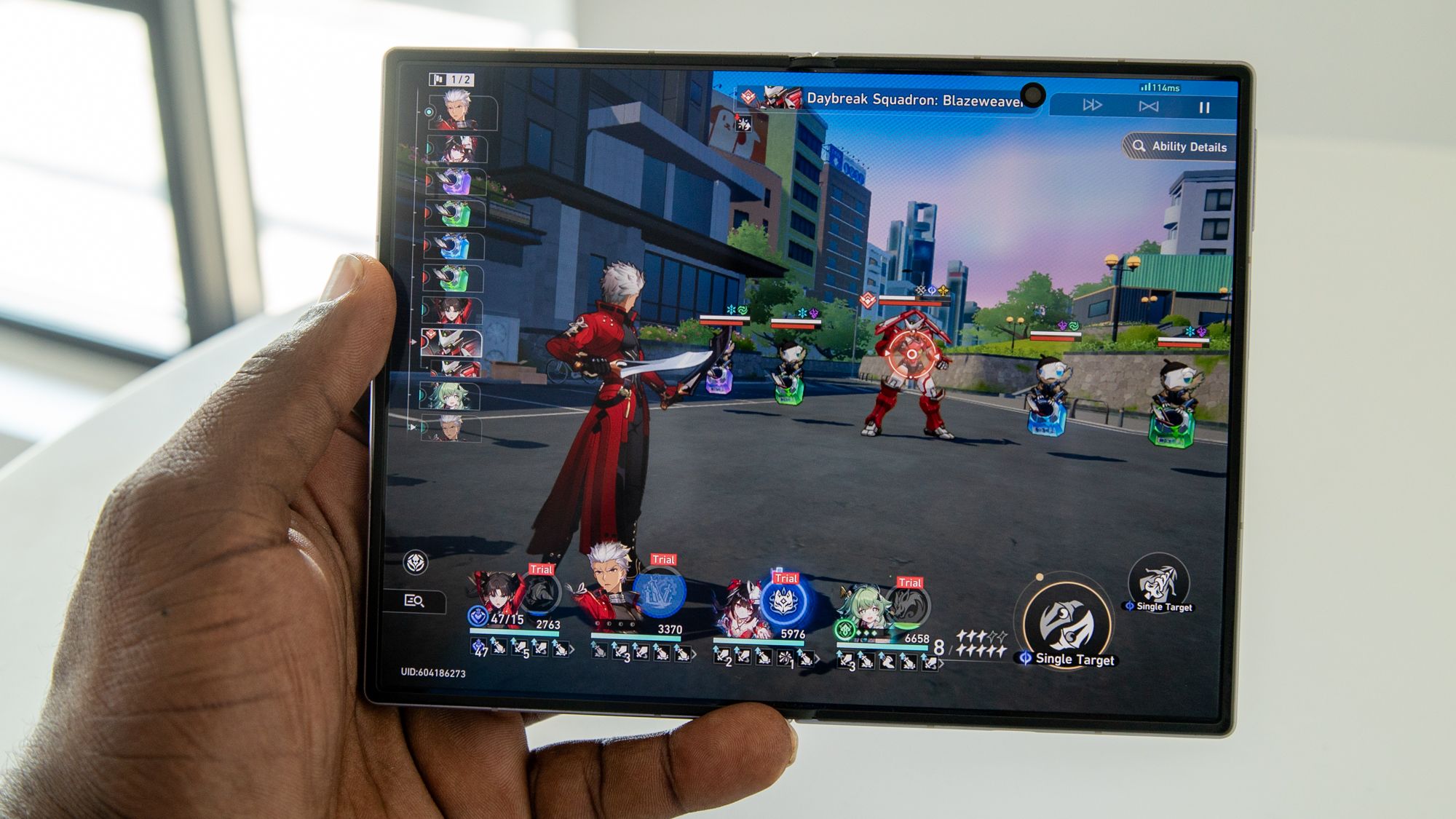
The competitive landscape for display manufacturing remains fierce, yet Samsung continues to hold solid ground over its rivals. While Chinese manufacturers such as BOE, China Star (CSOT), Tianma, and Visionox have made significant strides in display technology, Samsung’s vertical integration and early lead in LTPO AMOLED production have provided a formidable moat. The positive reception of wider foldables, as noted in Omdia’s research, further solidifies the demand for the high-quality, high-efficiency panels that Samsung is currently optimized to produce.
A Bright Spot in a Bleak Global Market
The forecasted 44% growth in foldable displays stands in stark contrast to the broader smartphone market, which has struggled to find its footing. The industry has been navigating a period of intense volatility, with overall smartphone shipments dropping significantly this year. In fact, the market didn’t just decline; it plummeted off a metaphorical cliff during the third quarter. Researchers have noted that global phone shipments recently hit their lowest point in 14 years, a sobering statistic that reflects a cooling of consumer enthusiasm for traditional mobile upgrades.
Reports indicate that the global phone market dropped by 20% year-over-year in Q3. This decline has been attributed to a variety of factors, ranging from economic uncertainty to a perceived lack of innovation in standard "slab" smartphones. However, Samsung managed to buck the trend to some extent, emerging on top of the shipment rankings. This resilience was largely credited to the success of the Galaxy Z Fold 8 and the Fold 8 Ultra, suggesting that while the mass market is shrinking, the appetite for premium, innovative hardware remains relatively healthy.
One of the most significant hurdles facing the industry is the "extreme memory shortage," which has hampered production and driven up costs across the board. This supply chain constraint, combined with inflationary pressures, has led to rising prices for end-users. Consequently, consumer mentality is shifting. The prevailing question for many potential buyers has become: "Why get a new one when that money is better spent elsewhere?" As phones become increasingly expensive, the replacement cycle lengthens, and consumers demand more substantial reasons to justify a purchase.
Market Dynamics and Consumer Sentiment
Despite the overarching gloom in the smartphone sector, Samsung’s strategic focus on the foldable market appears to be paying off. The company reportedly increased its market share to 23% recently, marking the largest share among all Original Equipment Manufacturers (OEMs). This growth is particularly impressive given the context of a market on "struggle street," where most players are fighting simply to maintain their existing volume.
Apple, while still a dominant force, has lagged slightly in second place in recent shipment data. Analysts speculate that this may be due to a shift in the company’s product lineup. The iPhone 18 series, for instance, reportedly moved away from offering a base entry model, focusing instead on the 18 Pro and Pro Max variants. This move toward the ultra-premium tier aligns with the broader industry trend of prioritizing high-margin devices, even if it results in lower overall shipment volumes compared to more diversified portfolios.
The "light at the end of the tunnel" for the mobile industry seems to be flickering within the foldable segment. While display shipments are booming and technological advancements are accelerating, the impact on the overall smartphone market remains to be seen. The high cost of entry for foldable devices remains a barrier for many, and the industry must still contend with the reality that for a large portion of the population, a smartphone is now a utility to be maintained rather than a fashion statement to be upgraded annually.
The Path Toward 2026
As we look toward 2026, the success of the foldable market will likely depend on whether manufacturers can continue to bridge the gap between "novelty" and "necessity." The move toward wide-screen designs is a step in that direction, addressing one of the most common complaints regarding the usability of foldable devices in their folded state. By providing a "no-compromise" experience in both phone and tablet modes, devices like the Fold 8 and the iPhone Duo are setting a new standard for what a flagship device should offer.
For Samsung, the path forward involves maintaining its lead in display innovation while navigating the complexities of being a supplier to its fiercest rivals. For the rest of the market, the challenge will be to compete with Samsung’s scale and technological maturity. As the 44% growth forecast suggests, the industry is betting heavily on foldables to break the cycle of stagnation.
While the fourth quarter of the year is often expected to look bleak due to seasonal economic pressures and the aforementioned memory shortages, the long-term outlook for foldable technology remains a rare point of optimism. The industry is banking on the idea that if you give consumers a form factor that is truly transformative—rather than just an incremental update—they will eventually return to the market. Whether this "rebound" in 2026 will be enough to lift the entire smartphone industry out of its 14-year slump is a question that only time, and the continued evolution of wide-screen displays, will answer.
 Mobile Device Management (MDM) & Mobile OS
Samsung Galaxy S26 Ultra Users Face Critical Freezing Issues and Startup Errors Following One UI 9 Update
The launch of a major operating system update is traditionally a moment...
 Mobile Device Management (MDM) & Mobile OS
Motorola Signals Potential Revival of Moto One Series Following Recent Regulatory Filings
Motorola appears to be reaching into its archives to breathe new life...
 Mobile Device Management (MDM) & Mobile OS
Google Announces Expansive November Pixel Drop Bringing Gemini Intelligence and Enhanced Customization to Older Devices
Google has officially pulled back the curtain on its highly anticipated November...







